

The Best Intercom Alternatives for 2026

Intercom bundles live chat, a help desk, and marketing messaging into one platform, and if you’re evaluating other options, you’re likely looking for something that matches one piece of that scope, whether that’s chat widgets, a shared support inbox, or automated messaging, without carrying the rest. Below are four established platforms, described by what kind of tool each one is and what it’s generally used for.
This is a factual rundown, not a ranking. None of these tools is presented as better than another here, since the right choice depends on your team size, your support channels, and whether you need marketing automation alongside support messaging.
Crisp
Crisp is a customer messaging platform that centers on a live chat widget paired with a shared team inbox. It’s generally used by small and mid-sized businesses that want website visitors, email, and social messages routed into one inbox, along with a basic chatbot builder and a knowledge base for self-serve answers. Check their site for current pricing.
Tidio
Tidio combines a live chat widget with AI-driven chatbots, and it’s commonly used by small businesses and online stores, particularly ones running Shopify or WooCommerce, to answer common questions and route conversations to a human when needed. It also includes email and social channel integrations so a small support team can work from a single dashboard. Check their site for current pricing.
Freshchat
Freshchat is a messaging product from Freshworks, generally used by sales and support teams that want chat, bots, and campaign-style outbound messages inside one interface. It supports conversations across channels including WhatsApp and web chat, and it’s often deployed by teams already using other Freshworks products such as Freshdesk. Check their site for current pricing.
Help Scout
Help Scout is help desk software built around a shared email inbox rather than a chat-first interface, and it’s generally used by support teams that handle most conversations by email and want replies to read like personal messages instead of ticket numbers. It also offers a docs tool for a self-serve knowledge base and a lightweight chat widget called Beacon for teams that want some in-app messaging. Check their site for current pricing.
What to weigh before switching
These four tools solve overlapping but distinct problems: live chat and chatbots on your website, a shared inbox for email and social messages, or outbound campaign messaging layered on top of support. If most of your volume comes through email and you want conversations to feel personal, an email-first inbox matters more than a chat widget. If your support runs largely through your website or an ecommerce storefront, a chat-and-bot combination will likely fit your day-to-day work better. And if you need messaging tied to sales or marketing campaigns rather than just support, look closely at which platforms include that as a first-class feature rather than an add-on.
- Whether support runs mainly through email, live chat, or both
- Chatbot and automation depth for deflecting repeat questions
- Integrations with your existing storefront or CRM
- Whether marketing or campaign messaging needs to live in the same tool
Most outages trace back to a decision nobody wrote down, not to a piece of code nobody understood, which is why plain documentation prevents more incidents than clever engineering does.
Itamar Haim
Where Sticklight fits
If you’re comparing support tools because you’re building or rebuilding a site, app, or dashboard and want messaging built into it rather than bolted on, that’s the kind of project Sticklight is designed for. Sticklight is a vibe-coding platform for professional web creators: you describe what you want in a prompt, and it turns that into a production-ready website, app, dashboard, CMS, or tool, going beyond a single page toward a full-stack product.
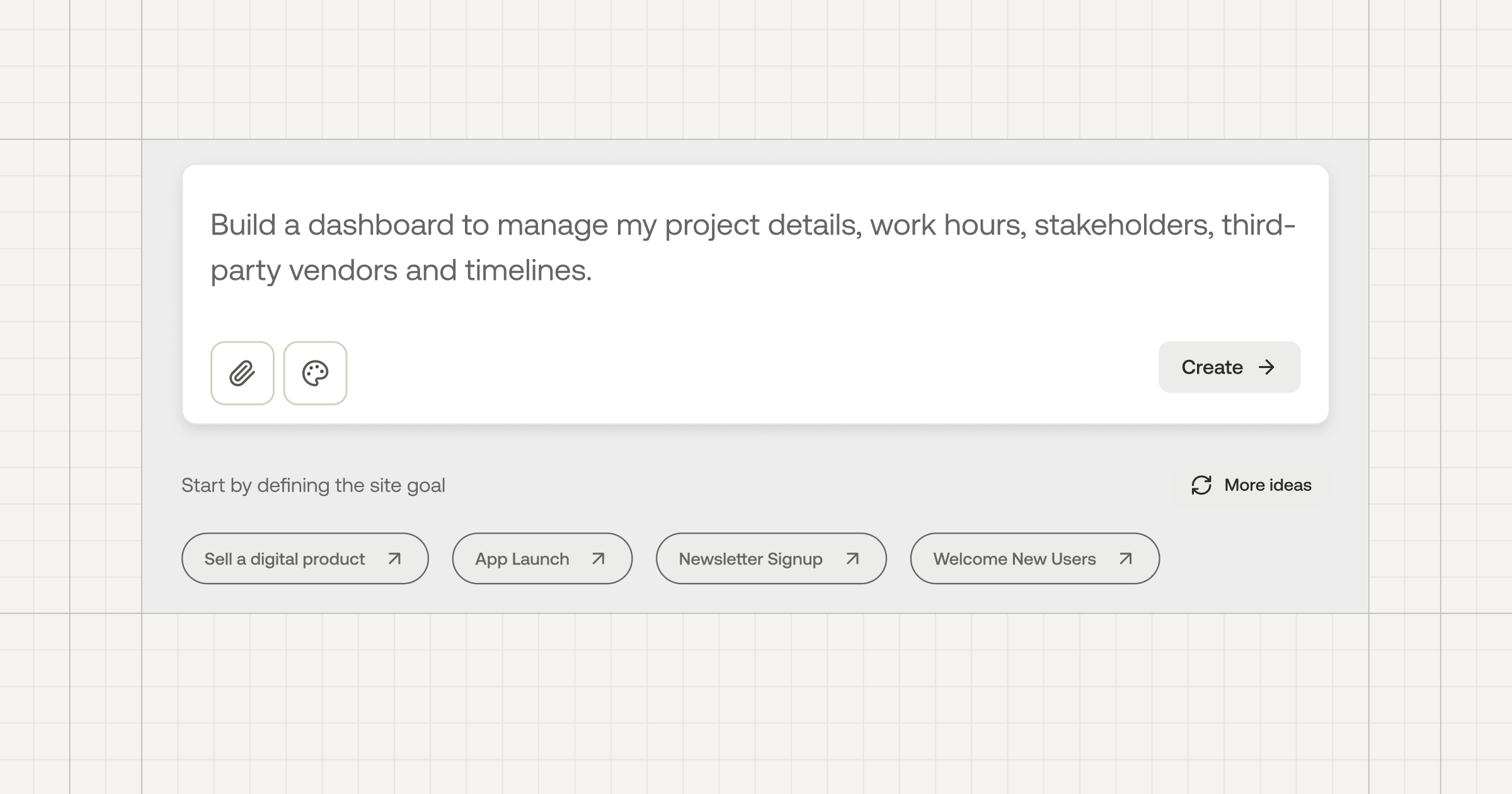
That means instead of only embedding a third-party chat widget, you can prompt for a support flow with your own logic for routing, ticket storage, or customer records, built as part of a larger site or app. Sticklight extends what you can already do with WordPress and Elementor, giving you a way to add custom, code-level functionality without writing every line by hand.
Frequently asked questions
What should I consider when comparing Intercom alternatives?
Look at whether your support volume is mostly email or live chat, how much chatbot automation you need, and whether marketing or campaign messaging needs to live in the same tool as customer support.
Do these alternatives include a chatbot, or just live chat?
Crisp, Tidio, and Freshchat all include some form of chatbot or automated messaging alongside live chat, while Help Scout is built primarily around a shared email inbox with a lighter chat widget called Beacon.
Which of these tools work well for an online store?
Tidio is commonly used by online stores running Shopify or WooCommerce, since it connects chat and chatbot conversations directly to storefront data, though the other tools also support ecommerce integrations depending on your setup.
Can I move my existing conversation history when I switch support tools?
Most platforms let you import contacts and some conversation history through built-in migration tools or CSV imports, but the process and what transfers cleanly varies by tool, so check their site for specifics before switching.
Is there a tool here that focuses on email support rather than live chat?
Help Scout is built around a shared email inbox and is generally used by teams that want support replies to read like personal email rather than a live chat transcript.
Built by the Elementor team. Powered by Claude.
Let it glow.
