
The Best Tableau Alternatives for 2026

Tableau is a business intelligence platform used for data visualization and dashboard creation. Teams evaluating alternatives in 2026 are usually looking for a different pricing model, a different deployment option, or a tighter fit with the data stack they already run.
This list covers four commonly considered alternatives: Looker Studio, Metabase, Mode, and Redash. Each one takes a different approach to connecting, querying, and visualizing data, so the right pick depends on what a team already has in place and who will be building the reports.
Looker Studio
Looker Studio is a free, web-based reporting and dashboard tool from Google. It connects to a wide range of data sources, including Google Sheets, Google Analytics, and BigQuery, plus a long list of third-party connectors. Reports are built by dragging charts and tables onto a canvas, and they can be shared or embedded much like a Google Doc.
Looker Studio is generally used for marketing reporting, website analytics dashboards, and everyday business reporting, particularly by teams that already work inside Google’s tools. It supports blending data from multiple sources into a single report and refreshing that data on a schedule. A paid tier, Looker Studio Pro, adds team management and administrative features. Check their site for current pricing.
Metabase
Metabase is an open-source business intelligence tool that can be self-hosted or run as a managed cloud service. It offers a query builder aimed at non-technical users, alongside a native SQL editor for analysts who want direct control over their queries. Metabase connects to relational databases such as PostgreSQL, MySQL, and Snowflake, among others.
Metabase is typically used by engineering and product teams that want to query a database directly and turn the results into dashboards or scheduled reports sent by email. Because the open-source version can be self-hosted, some teams choose it specifically to keep their data infrastructure in-house. Check their site for current pricing.
Mode
Mode is a data analysis and reporting platform built for data analysts and data science teams. It combines a SQL editor, a notebook environment for Python and R, and a visualization layer in one workspace, so an analyst can move from a query to a finished chart without switching tools. Mode also includes collaboration features, such as shared workspaces and version history for queries.
Mode is generally used by analytics teams that need to do exploratory data work alongside building shareable dashboards, rather than by teams looking for a pure self-service reporting tool for non-technical users. Check their site for current pricing.
Redash
Redash is an open-source tool for querying data sources and turning the results into dashboards. It supports a long list of database and API connectors, and lets users write SQL queries, visualize the results as charts or tables, and combine several queries into a single dashboard. Redash can be self-hosted or used through a hosted version.
Redash is often used by engineering teams that already write SQL regularly and want a straightforward way to turn query results into shared dashboards, without adding extra modeling layers on top. Check their site for current pricing.
Where Sticklight fits
Sticklight is a vibe-coding platform for professional web creators that turns a plain-language prompt into production-ready websites, apps, dashboards, CMS, and tools. Rather than stopping at a single report or chart, it lets a creator describe what they need and get working software back, whether that is an internal dashboard, a client-facing app, or a full content system built around it.
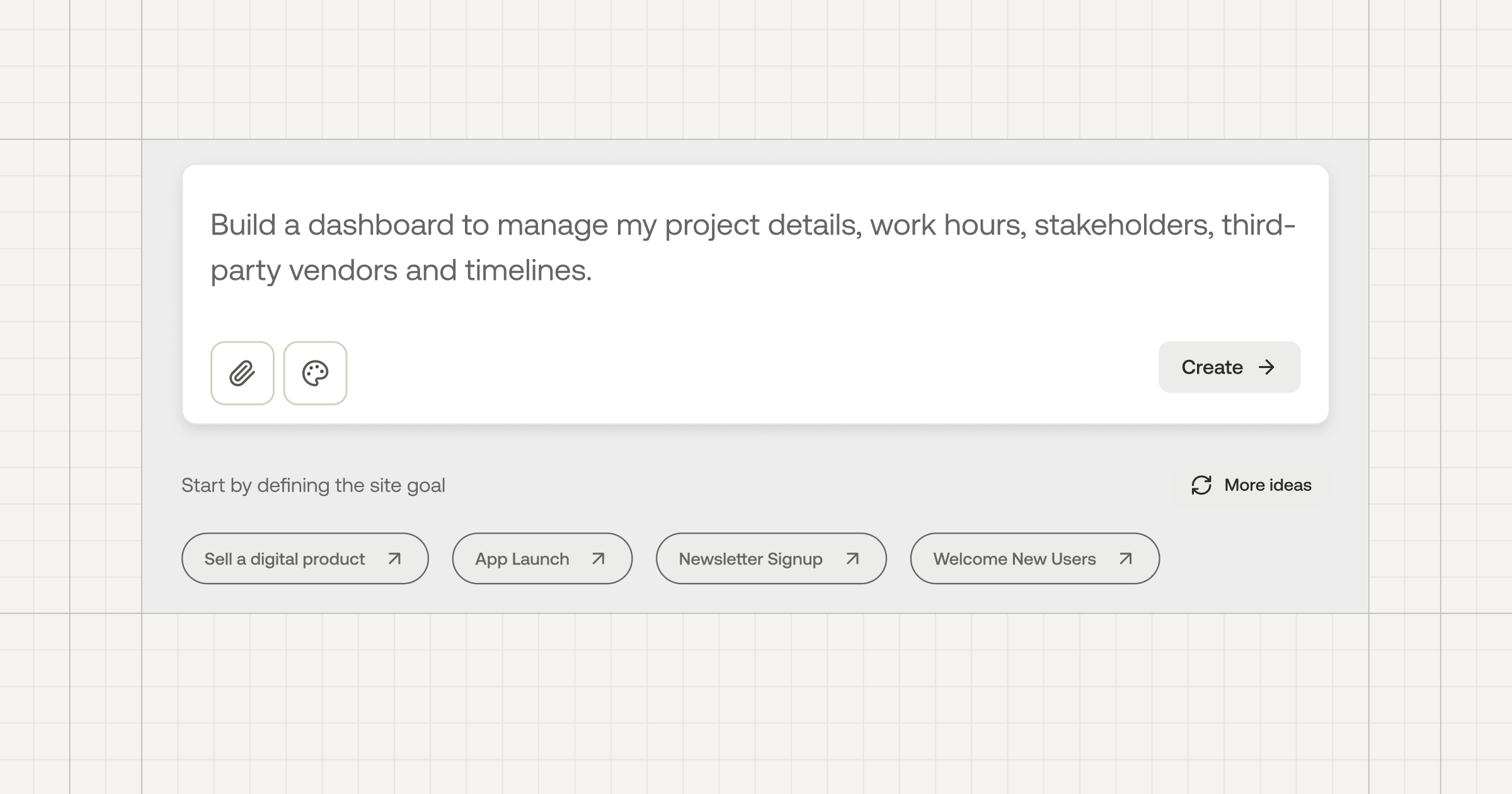
WordPress and Elementor extend what a Sticklight-built project can do, adding access to a large plugin and theme ecosystem, established content workflows, and page-building tools when a project calls for them. That combination makes it possible to go from a prompt to a live website or app, and then keep building on it as needs change.
Frequently asked questions
What is the main difference between Looker Studio and Tableau?
Looker Studio is a free, web-based reporting tool from Google that connects to Google products and many third-party data sources, while Tableau is a paid business intelligence platform with a broader set of visualization and data modeling options.
Can Metabase connect to the same databases as Tableau?
Metabase connects to common relational databases such as PostgreSQL, MySQL, and Snowflake, and covers many of the same data sources Tableau users typically work with, though the exact connector list differs between the two tools.
Is Mode meant for technical or non-technical users?
Mode is built mainly for data analysts and data science teams who write SQL or use notebooks, rather than for non-technical users who want a pure drag-and-drop reporting tool.
Does Redash require self-hosting?
Redash can be self-hosted on a team’s own infrastructure or used through a hosted version, so the choice comes down to whether a team wants to manage the deployment itself.
How should I choose between these Tableau alternatives?
The right choice depends on your existing data stack, whether your team prefers SQL-based querying or drag-and-drop reporting, and whether you want a free tool or are open to a paid plan, so check their site for current pricing before deciding.
Built by the Elementor team. Powered by Claude.
Let it glow.
