

The Best Vercel Alternatives for 2026

Vercel is one of several platforms teams weigh when choosing where to host a web project, from a single static site to a full-stack application with a database attached. Depending on team size, existing tooling, budget structure, and how a project is deployed, other platforms may fit a given use case better for a specific team. Some teams prioritize a tight git workflow, others care more about database provisioning or background job support, and those priorities can point toward different platforms. Below is a dry, factual look at four named alternatives: Netlify, Cloudflare Pages, Render, and Railway.
Netlify
Netlify is a hosting platform associated with the Jamstack approach to web development. It connects to a git repository and runs an automated build and deploy pipeline, so a push to a branch triggers a new build that is then served from Netlify’s content delivery network. Teams commonly reach for Netlify on marketing sites, documentation sites, and frontend applications where the build output is largely static assets plus a set of functions.
- Git-based continuous deployment with preview builds generated for each pull request
- Serverless functions and edge functions available alongside static site output
- Built-in form handling, split testing, and a plugin system for extending the build process
- Support for common static site generators and frontend frameworks
Cloudflare Pages
Cloudflare Pages is a hosting product built on Cloudflare’s own network, aimed at static sites and frontend applications that may also need server-side logic. Like Netlify, it connects to a git repository and rebuilds on each push, though it can also accept a direct file upload without a repository connection. Because it shares infrastructure with the rest of Cloudflare’s product line, teams already using Cloudflare for DNS or security may find the account setup familiar.
- Deployment distributed across Cloudflare’s network of global data centers
- Integration with the separate Cloudflare Workers product for edge compute alongside static assets
- Automatic preview deployments generated for branches and pull requests
- A direct upload option as an alternative to connecting a git repository
Render
Render is a cloud platform that groups several hosting types under one account, including static sites, web services, background workers, cron jobs, and private services. Deployments can be triggered from a connected git repository or from a Docker image. This mix of static hosting and long-running services in one place is a distinguishing factor for teams running a full-stack application with a persistent backend.
- Managed Postgres and Redis instances offered alongside application hosting
- Background workers and scheduled cron jobs for processing that runs outside a request cycle
- Private networking between services that sit within the same account
- Docker-based deploys available in addition to native language runtime buildpacks
Railway
Railway is a deployment platform for applications and databases, provisioning infrastructure from either a connected git repository or a Docker image. It is organized around projects, where services, databases, and environment variables for a given app are grouped together in one view. That project-first structure tends to appeal to smaller teams that want to see every part of an application’s infrastructure in a single dashboard rather than across separate tools.
- Provisioning for databases such as Postgres, MySQL, Redis, and MongoDB from within a project
- Environments that can be tied to git branches for staging and production setups
- Usage-based resource metering as the basis for how a project’s consumption is measured
- A visual project canvas that shows how connected services and databases relate to each other
Where Sticklight fits
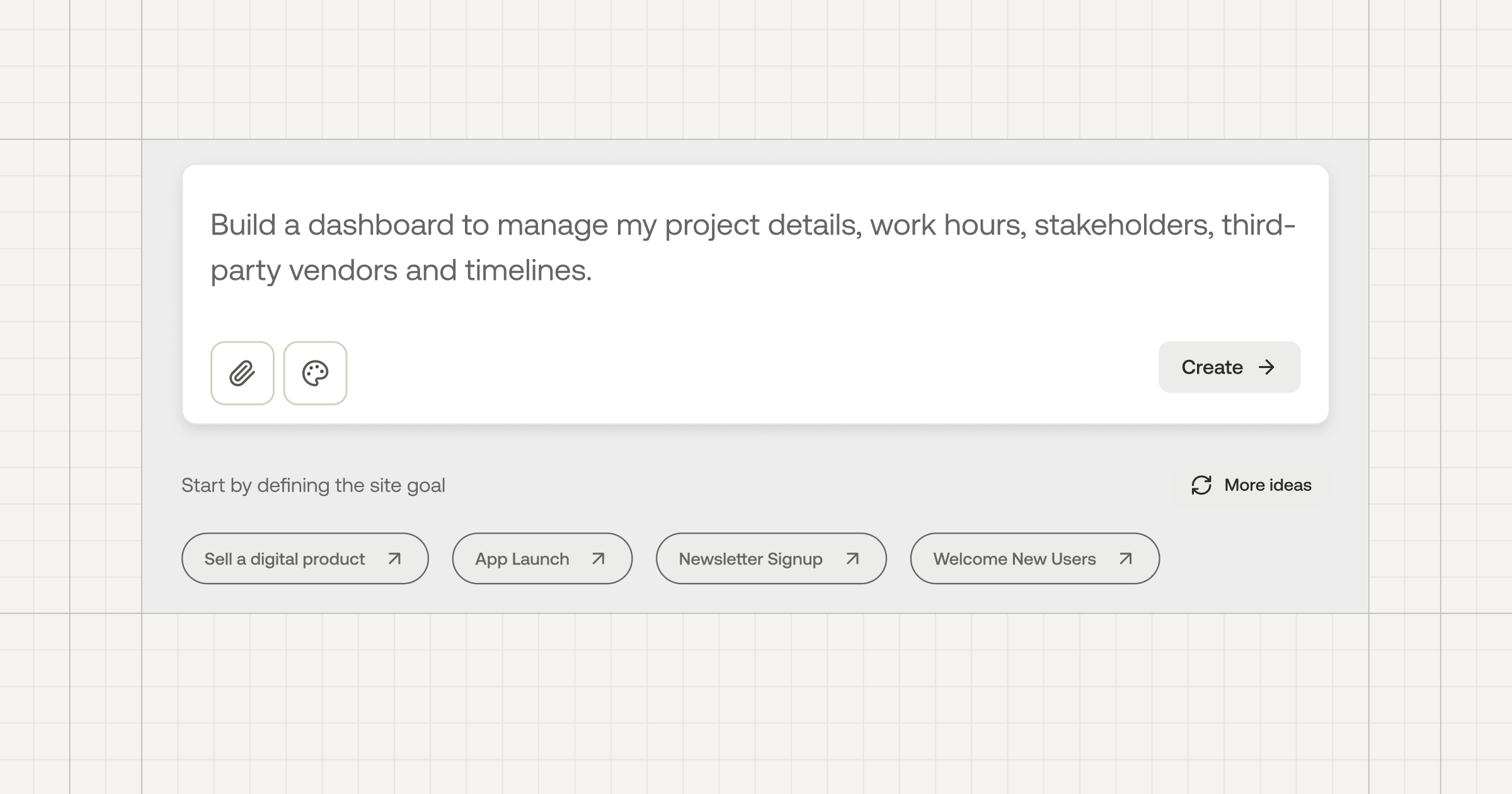
Sticklight is a vibe-coding platform for professional web creators. It turns a plain-language prompt into a production-ready website, app, dashboard, CMS, or tool, rather than starting from a git repository that a team has already built by hand. The comparison above is about where a finished project runs; Sticklight is positioned earlier, at how the project gets built in the first place, so the two questions are not mutually exclusive. For teams already working inside a WordPress or Elementor setup, Sticklight adds a prompt-driven build path alongside that existing workflow, rather than asking a team to abandon it.
Frequently asked questions
What is the difference between Netlify and Cloudflare Pages?
Netlify and Cloudflare Pages both offer git-based deployment for static sites and frontend applications. Netlify pairs its hosting with its own serverless and edge function products, while Cloudflare Pages pairs hosting with the separate Cloudflare Workers platform and Cloudflare’s network of data centers.
Does Render support background jobs and cron tasks?
Render offers background workers for processing that runs outside a request cycle, along with scheduled cron jobs that run on a defined interval, in addition to its web service and static site hosting options.
Can Railway host a database alongside an application?
Railway can provision databases such as Postgres, MySQL, Redis, and MongoDB within the same project as an application, grouping services and their data stores together in one project view.
How is Sticklight different from a hosting platform like Netlify or Render?
Sticklight is a vibe-coding platform for professional web creators that turns a plain-language prompt into a production-ready website, app, dashboard, CMS, or tool. Rather than only hosting code a team has already written, it is involved earlier, at the point where the project itself gets built, and it can sit alongside an existing WordPress or Elementor workflow.
Which of these platforms should I check for current pricing before switching?
Netlify, Cloudflare Pages, Render, and Railway each publish their own plan structures, and details change over time, so check their site for current pricing before making a switch.
Built by the Elementor team. Powered by Claude.
Let it glow.
