
FlutterFlow vs Retool: app builder or internal tools platform?

FlutterFlow and Retool get compared often because both are visual, drag-and-drop builders, but they solve different problems. FlutterFlow generates a Flutter codebase for mobile and web apps built for end users. Retool is built for internal business applications that connect to a company’s existing data sources.
Here’s what each platform actually does, how their pricing breaks down, and where a full-stack, prompt-based platform like Sticklight fits for creators who need more than either tool covers on its own.
- FlutterFlow builds Flutter-based mobile and web apps with a visual UI builder, connecting to Firebase or Supabase for backend and data.
- Retool builds internal business applications and automations that connect directly to a company’s own databases and APIs.
- Both platforms offer a free tier and paid per-seat or per-plan pricing, with Retool splitting its structure across builder and internal-user seats.
- FlutterFlow suits teams shipping apps to the App Store and Google Play; Retool suits teams building admin panels, dashboards, and internal workflows.
- Sticklight takes a different approach: one prompt produces production-ready websites, apps, dashboards, CMS, and internal tools, publishing included.
What FlutterFlow is built for.
FlutterFlow is a visual, drag-and-drop app development platform for building Flutter-based mobile and web applications, used by individual developers and teams. It includes a UI builder with more than 200 pre-built widgets, a visual logic and action editor, and code export on paid plans. FlutterFlow connects to Firebase or Supabase as backend options, or to external REST APIs, so it isn’t tied to a single proprietary data layer. Team collaboration features like branching and comments show up on higher tiers, and finished apps deploy to the App Store and Google Play.
What Retool is built for.
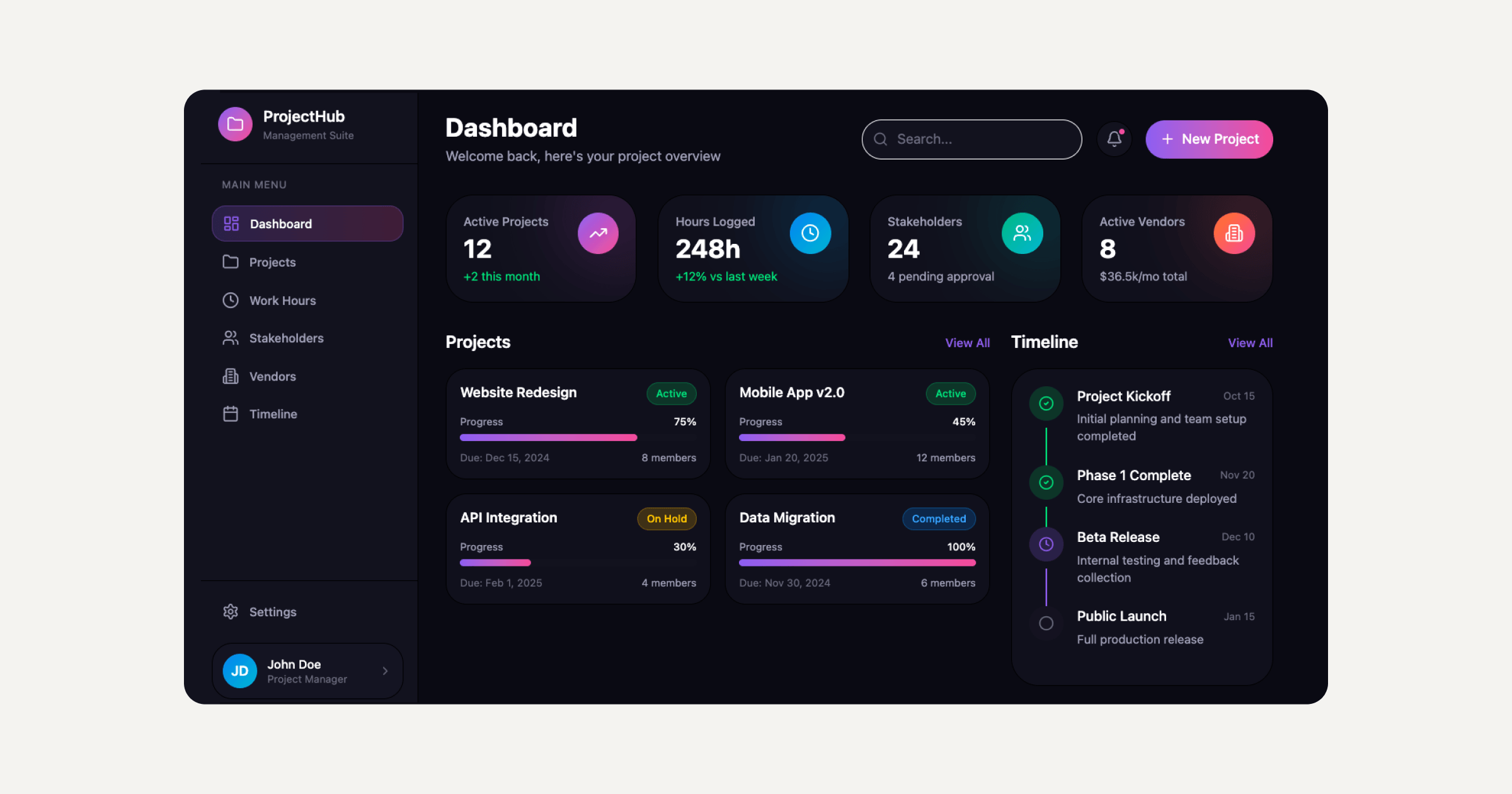
Retool is a software platform for building internal business applications and automations that connect to a company’s own data sources. It pairs a drag-and-drop UI builder with JavaScript and SQL for app logic, and it connects directly to a company’s own databases and APIs rather than generating a standalone app for public distribution. Retool also includes workflow automation, scheduled or triggered runs, as a feature separate from the core app builder. It offers both cloud and self-hosted deployment, with pricing mirrored across both.
FlutterFlow vs Retool at a glance
| Dimension | FlutterFlow | Retool | Sticklight |
|---|---|---|---|
| What it is | Visual builder for Flutter mobile and web apps | Builder for internal business applications and automations | Prompt-based platform for production-ready websites, apps, dashboards, CMS, and tools |
| Output | Flutter codebase compiling to iOS, Android, and web | Internal apps and automated workflows connected to company data | Production-ready, full-stack output from a single prompt |
| Backend / data | Firebase, Supabase, or external REST APIs | Company’s own databases and APIs | Built by the Elementor team, additive to your WordPress and Elementor stack |
| Publish / hosting | Deploys to App Store and Google Play | Cloud or self-hosted deployment | Publish included as part of the Prompt to Build to Publish flow |
| Best for | Teams shipping consumer or business mobile/web apps | Teams building internal tools, dashboards, and admin panels | Professional creators who want production-ready full-stack output from one prompt |
| Entry pricing | Free plan available; Basic plan at $39 per month | Free plan available; Team builder seat from $10 per month | Additive to your WordPress/Elementor stack |
Pricing compared.
FlutterFlow’s pricing runs across four published tiers: a Free plan at $0 per month, a Basic plan at $39 per month, a Growth plan at $80 per month for the first seat and $55 per month for each additional seat, and a Business plan at $150 per month for the first seat and $85 per month for seats two through five.
Retool splits its pricing by seat type rather than one flat tier. The Free plan runs $0 per month, capped at 5 users and 500 workflow runs per month. On the Team plan, a builder seat costs $10 per month billed annually or $12 per month billed monthly, and an internal-user seat costs $5 per month billed annually or $7 per month billed monthly. The Business plan lists a builder seat at $50 per month billed annually or $65 per month billed monthly, and an internal-user seat at $15 per month billed annually or $18 per month billed monthly. Retool also offers a custom, quote-based Enterprise plan, and external-user pricing on Business and higher plans that starts free for the first 50 users before moving to tiered per-user rates.
Where Sticklight fits in.
FlutterFlow and Retool each solve a specific problem well: shipping a Flutter-based app to app stores, and building internal tools connected to a company’s own data. Neither one is designed to take a single prompt and produce a full range of outputs, a public-facing website, a customer-facing app, a dashboard, a CMS, and an internal tool, in one flow.
Sticklight is built for professional web creators who need that range. It turns a prompt into production-ready websites, apps, dashboards, CMS, and internal tools, following a Prompt to Build to Publish flow that includes publishing as part of the process rather than a separate step. It’s built by the Elementor team and powered by Claude, and it’s additive to WordPress and Elementor: it works alongside an existing WordPress or Elementor setup rather than replacing it. If you’re already weighing FlutterFlow’s app-focused workflow against Retool’s internal-tools focus, Sticklight is worth a look specifically because it isn’t scoped to one output type. AI agent capabilities are coming soon, so today’s comparison is about production-ready full-stack generation and integrated publishing.
The line between a marketing site and the internal tool that runs the business behind it stopped meaning much to me.
Itamar Haim
Frequently asked questions
Is FlutterFlow vs Retool a fair comparison?
Only partly. Both are visual, drag-and-drop builders, but FlutterFlow generates Flutter-based mobile and web apps for end users, while Retool builds internal business applications connected to a company’s own data. You often need to know both, since the right choice depends on whether your output is customer-facing or internal.
Does FlutterFlow require Firebase?
No. FlutterFlow connects to Firebase or Supabase as backend options, and it can also integrate external REST APIs, so it isn’t tied to a single proprietary backend.
What does Retool’s free plan include?
Retool’s free plan runs $0 per month and caps out at 5 users and 500 workflow runs per month, according to Retool’s published pricing.
Can Sticklight replace FlutterFlow or Retool?
Sticklight is a broader, prompt-based platform for production-ready websites, apps, dashboards, CMS, and internal tools, and it’s additive to WordPress and Elementor rather than a like-for-like swap. Whether it replaces a narrower tool depends on your specific project and the output you need.
Which is cheaper, FlutterFlow or Retool?
Both offer a free tier. Beyond that, FlutterFlow’s paid plans start at $39 per month (Basic), while Retool’s Team plan starts at $10 per month per builder seat plus $5 per month per internal-user seat, so the cheaper option depends on your team size and how many builder versus internal-user seats you need.
Built by the Elementor team. Powered by Claude.
Let it glow.
