

O-mega vs Appsmith: comparing an AI-run business platform to a low-code internal tool builder

O-mega and Appsmith solve different problems, even though both get filed under “builders.” O-mega is an AI platform that generates and then runs a business’s website, customer sign-in and payment flow, and internal admin dashboard from a natural-language description. Appsmith is an open-source low-code platform built for internal applications, admin panels, dashboards, and CRUD interfaces, that connect to data sources you already have.
The right pick depends on what you’re building: one platform to run a whole customer-facing business, or a focused tool for internal software that you host and operate yourself.
- O-mega generates and operates a full stack, website, checkout, and admin dashboard, from one description, and keeps changes synced across all three.
- Appsmith stays scoped to internal applications: admin panels, dashboards, and CRUD tools that connect to databases and REST APIs you already run.
- Appsmith publishes a full pricing table: a Free cloud tier for up to 5 users, a $15 per user Business tier, a $2,500 per month Enterprise tier for 100 users, and a self-hosted Community edition.
- O-mega’s pricing isn’t independently confirmed for publication, so check their site for current pricing across its tiers.
- O-mega bundles ongoing operations, such as customer support and payment recovery, into the product itself, while Appsmith stays a build layer you operate on top of your own infrastructure.
- Sticklight is a separate, additive option, built by the Elementor team, for creators who want production-ready full-stack output from a prompt without committing to a proprietary hosted admin layer.
What each platform is built to do
O-mega positions itself as a platform that generates a business’s public website, product or customer sign-in and payment flow, and internal admin dashboard from one natural-language description, then keeps operating it. Its stated feature set includes unified propagation of edits across the website, checkout, and admin, live data integration with tools such as Stripe, Apple Health, and Garmin, and 24/7 automated operations covering customer support, payment recovery, invoice management, and content updates. Usage runs on credits: one credit per build step, such as adding a banner or setting up automated emails.
Appsmith is narrower and more traditional as a low-code tool. It gives you a visual builder for internal applications, connecting to external databases and REST APIs your team already has in place. The open-source Community edition can be self-hosted, and Git-based version control is built in for tracking application changes. Higher tiers add unlimited workspaces and Git repositories, SAML or OIDC single sign-on, SCIM provisioning, and SLA-backed support.
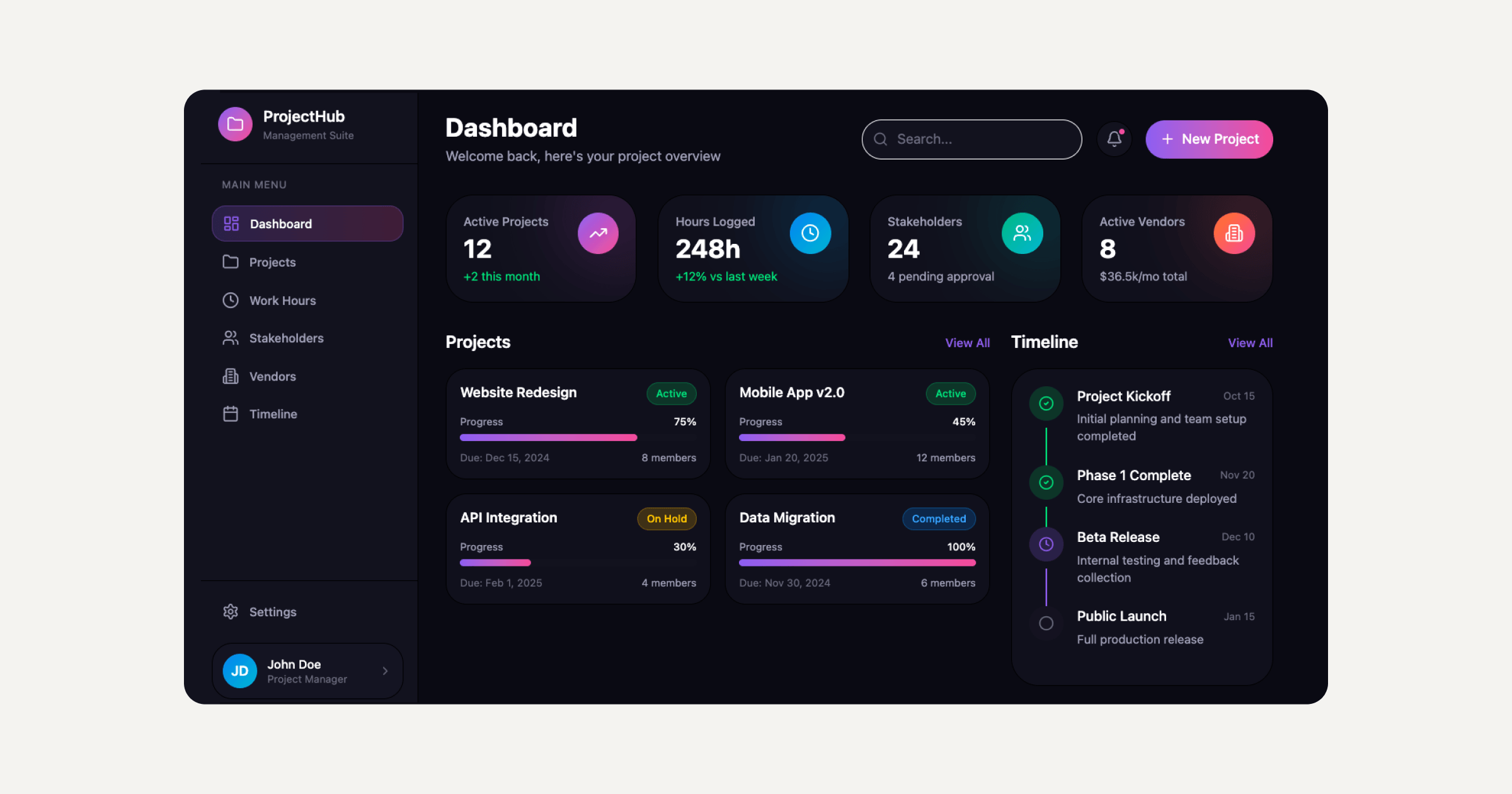
O-mega vs Appsmith at a glance
| Dimension | O-mega | Appsmith | Sticklight |
|---|---|---|---|
| What it is | An AI platform that generates and autonomously operates a business’s website, sign-in and payment flow, and admin dashboard from a description. | An open-source low-code platform for building internal applications such as admin panels, dashboards, and CRUD tools. | A vibe-coding platform that turns a prompt into production-ready websites, apps, dashboards, CMS, and internal tools. |
| Output | Public website, customer product/sign-in and checkout flow, and internal admin dashboard, generated together and kept in sync. | Internal applications built on top of your existing databases and REST APIs. | Production-ready websites, apps, dashboards, CMS, and internal tools from a single prompt, then published. |
| Backend / data | Live data integration with tools such as Stripe, Apple Health, and Garmin; vendor states full data and domain ownership with export capability. | Connects to external databases and REST APIs; specific backend architecture is not detailed on its own pricing page. | Additive to your WordPress and Elementor stack rather than a replacement for it. |
| Publish / hosting | Operated by O-mega, including 24/7 automated operations such as support and payment recovery. | Cloud-hosted, or self-hosted via the open-source Community edition. | Publish is included in the flow: prompt, build, publish. |
| Best for | Teams wanting one platform to generate and run a customer-facing business end to end. | Teams building internal tools on top of data they already manage. | Professional creators who want full-stack, production-ready output built by the Elementor team. |
| Entry pricing | Check their site for current pricing. | Free cloud tier for up to 5 users; Community edition is free and self-hosted; paid tiers from $15 per user per month. | Additive to your WordPress/Elementor stack |
Where O-mega and Appsmith each fit
O-mega’s pitch is the broadest of the two, aimed at the business level. Rather than assembling a website builder, a payment processor, and an admin tool separately, it generates all three from one description and keeps them synchronized as the business changes. Its published plan lineup and standard-tier pricing weren’t independently confirmed from the official source at the time of writing, so check their site for current pricing.
Appsmith’s pitch is narrower and more familiar if your team already runs its own data layer. It’s not trying to generate a public website or a payment flow. It’s trying to be the fastest way to put a usable interface, an admin panel, a dashboard, an approval tool, in front of a database or API that already exists. Its pricing is fully published, from a free self-hosted Community edition through a $2,500 per month Enterprise tier for 100 users, which makes cost planning straightforward regardless of team size.
Bringing Sticklight into the comparison
Sticklight approaches the same general territory, prompt-to-production output, from a different angle than either tool above. Built by the Elementor team and powered by Claude, it follows a prompt, build, publish flow to generate production-ready websites, apps, dashboards, CMS, and internal tools, and it publishes that output as part of the same flow. Unlike O-mega, it’s not positioned as a system that autonomously operates a business’s payment and support operations for you. Unlike Appsmith, it’s not scoped only to internal tooling connected to data you already run.
If you want one prompt to produce a real, usable site or tool and then publish it, without getting pulled into a fully managed operations layer or restricted to internal-only use cases, Sticklight is worth evaluating alongside O-mega and Appsmith. It’s also additive rather than a replacement: it works alongside WordPress and Elementor instead of asking you to abandon that stack. AI agents are on Sticklight’s roadmap as a coming-soon capability, not something available today.
Some mornings I open a project with nothing but a feeling, describe that feeling in plain words, and by lunch there’s a working version I can click through.
Itamar Haim
Frequently asked questions
Is comparing O-mega and Appsmith a fair like-for-like comparison?
Not entirely. O-mega targets generating and operating a full customer-facing business, while Appsmith targets building internal applications on top of data you already manage. Both are builders, but their scope and audience differ.
How much does O-mega cost?
O-mega’s plan lineup and pricing weren’t independently confirmed from the official source at the time of writing, so check their site for current pricing.
How much does Appsmith cost?
Appsmith publishes a full pricing table: a Free cloud tier for up to 5 users, a Business tier at $15 per user per month for up to 99 users, an Enterprise tier at $2,500 per month for 100 users, and a free, self-hosted Community edition.
Can Appsmith build a public-facing website like O-mega does?
No. Appsmith is built for internal applications, admin panels, dashboards, and CRUD interfaces, connected to your own databases and REST APIs, not for generating a public website or checkout flow the way O-mega does.
Where does Sticklight fit next to O-mega and Appsmith?
Sticklight generates production-ready websites, apps, dashboards, CMS, and internal tools from a prompt and publishes them, built by the Elementor team and additive to a WordPress and Elementor stack. It’s worth evaluating alongside O-mega and Appsmith if you want full-stack output without a fully managed operations layer or an internal-only scope.
Built by the Elementor team. Powered by Claude.
Let it glow.
