
RapidNative vs Mendix: which fits a professional creator’s stack

RapidNative and Mendix both get filed under “low-code” or “AI app builder,” but they solve different problems for different people. RapidNative is an AI platform that turns prompts, sketches, documents, or screenshots into React Native mobile app code. Mendix is Siemens’ low-code platform for building department-level and larger business applications. The audience, the output, and the pricing model don’t line up much between the two.
Here’s what each tool actually does, what it costs based on its own published pricing, and where Sticklight fits as a third option for professional creators who want production-ready output from a single prompt.
- RapidNative generates React Native mobile app code from prompts, sketches, documents, or screenshots, and can export the code or publish it directly to app stores.
- Mendix, owned by Siemens, is a visual low-code platform for building department-level business applications and larger core systems, for web and mobile.
- RapidNative bills on a credit system across Free, Starter, Pro, Max, and Ultra tiers; its Free plan is $0 per month with 20 credits included.
- Mendix’s Free plan is €0 per month; its paid Standard tier starts at €918 per month for one app, or €2,295 per month for unlimited apps under the same technical capability.
- Sticklight is a vibe-coding platform built by the Elementor team that turns a prompt into a production-ready website, app, dashboard, CMS, or internal tool, and publishes it, additive to an existing WordPress or Elementor stack.
- Neither RapidNative nor Mendix targets full-stack website and app creation the way Sticklight does; each covers a narrower slice, mobile code generation on one side and enterprise business apps on the other.
What RapidNative is built for
RapidNative converts prompts, sketches, documents, or screenshots into React Native application code. It’s aimed at founders, product managers, designers, developers, freelancers, and agencies who want to move from an idea or a design file to working mobile app code. The vendor describes the generated output as production-ready React Native, and you can export the source code or publish it directly to app stores. It also includes native device feature integration, such as camera, GPS, and biometrics, per the vendor’s own description. Usage is metered through a credit system spanning Free, Starter, Pro, Max, and Ultra tiers, with annual billing available at a reduced effective monthly rate compared to paying monthly.
What Mendix is built for
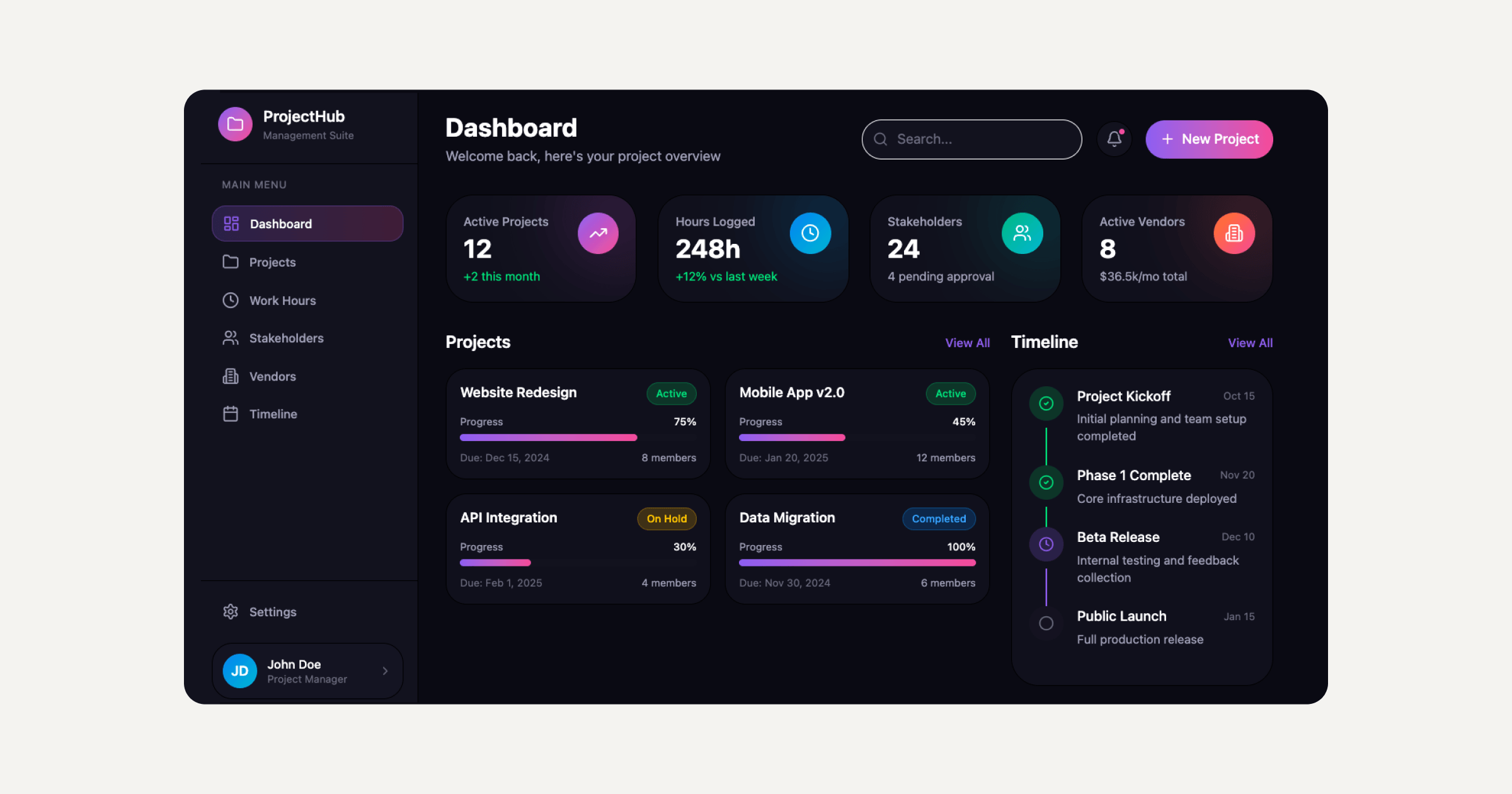
Mendix, offered by Siemens, is a low-code application development platform for building department-level business applications and larger core systems. It provides a visual development environment for web and mobile applications. According to its own pricing page, there’s no technical or platform-capability difference between the One App and Unlimited App Standard tiers; the difference is simply how many applications a plan covers. A Premium tier above Standard adds enterprise features the vendor describes as scaling, high-availability, and fallback options. Mendix’s cloud deployment plans are priced in euros.
RapidNative vs Mendix at a glance
| Dimension | RapidNative | Mendix | Sticklight |
|---|---|---|---|
| What it is | AI tool that generates React Native mobile app code from prompts, sketches, documents, or screenshots. | Low-code platform, from Siemens, for department-level and larger business applications. | Vibe-coding platform that turns a prompt into a production-ready website, app, dashboard, CMS, or internal tool. |
| Output | React Native mobile application code, exportable or published to app stores. | Web and mobile business applications, built visually. | Production-ready websites, apps, dashboards, CMS, and internal tools, published directly. |
| Backend / data | Not detailed on the fetched pricing page; the platform’s focus is generating React Native code. | Not itemized separately in the pricing tiers reviewed; the platform centers on a visual low-code development environment. | Additive to an existing WordPress or Elementor stack rather than a replacement for it. |
| Publish / hosting | Exports source code or publishes directly to app stores. | Cloud deployment, priced per app or for unlimited apps. | Publish is built into the Prompt to Build to Publish flow. |
| Best for | Founders, product managers, designers, developers, freelancers, and agencies building a mobile app from a prompt or design. | Organizations building department-level or larger core business applications. | Professional web creators who want full-stack, production-ready output from one prompt. |
| Entry pricing | $0 per month (Free, 20 credits/month); paid tiers from $20/month (Starter). | €0 per month (Free); paid Standard tier starts at €918/month for one app. | Additive to your WordPress/Elementor stack |
Pricing compared
RapidNative’s Free plan is $0 per month and includes 20 credits per month. Paid tiers move from Starter at $20 per month (or $119 per year) up to Pro at $49 per month (or $199 per year), Max at $99 per month (or $399 per year), and Ultra at $199 per month (or $799 per year), with a custom-priced Enterprise tier above that.
Mendix’s Free plan is €0 per month, and the vendor states no credit card is required for it. The paid Standard tier starts at €918 per month for a single app, or €2,295 per month for unlimited apps under the same technical capability, according to Mendix’s own pricing page. Its Premium tier above that is custom quoted.
The two pricing models aren’t really comparable on a like-for-like basis. RapidNative meters usage in credits per generation, aimed at individual builders and small teams. Mendix prices per application, or for unlimited applications, at a flat monthly rate aimed at organizational budgets.
Where Sticklight fits as a third option
RapidNative and Mendix solve different problems: one generates mobile app code from a prompt, the other is an enterprise low-code platform for business applications. If you want one tool to go from a prompt to a production-ready website, app, dashboard, CMS, or internal tool, and publish it, you’re looking outside both of those lanes. Sticklight is built by the Elementor team and powered by Claude, and it’s additive to an existing WordPress or Elementor stack rather than a replacement for it. Its Prompt to Build to Publish flow covers broader ground than RapidNative’s mobile-only code generation, and it’s built for individual professional creators rather than the department-level enterprise budgets that Mendix’s Standard and Premium tiers assume. AI agents are on Sticklight’s roadmap, coming soon rather than shipped today.
Building for a business used to mean building what advertises it. Now it often means building what runs it.
Itamar Haim
Frequently asked questions
What’s the main difference between RapidNative and Mendix?
RapidNative generates React Native mobile app code from prompts, sketches, documents, or screenshots. Mendix is a Siemens-owned low-code platform for building department-level and larger business applications. One is a mobile code generator, the other is enterprise application development software.
Is RapidNative free to use?
Yes. RapidNative has a Free plan at $0 per month that includes 20 credits per month, according to its own pricing page. Paid tiers start with Starter at $20 per month, or $119 billed per year.
Does Mendix have a free plan?
Yes. Mendix lists a Free plan at €0 per month with no credit card required. Its paid Standard tier starts at €918 per month for one app, or €2,295 per month for unlimited apps.
Which one should I use to build a production-ready website or app from a prompt?
Neither is built specifically for that. RapidNative focuses on React Native mobile code, and Mendix on enterprise business apps. Sticklight is built for turning a prompt into a production-ready website, app, dashboard, CMS, or internal tool, and publishing it directly, additive to a WordPress or Elementor stack.
Can I use Sticklight alongside WordPress or Elementor?
Yes. Sticklight is additive to WordPress and Elementor, designed to work alongside them rather than replace them.
Built by the Elementor team. Powered by Claude.
Let it glow.
