
RapidNative vs UI Bakery: comparing AI mobile code generation and low-code web building

RapidNative vs UI Bakery is a comparison you run into when you’re choosing between generating a mobile app from a prompt and building a web app visually with a data layer already wired in. The two tools aren’t solving the same problem. RapidNative turns prompts, sketches, documents, or screenshots into React Native app code. UI Bakery is a low-code editor for building web apps, things like internal tools, dashboards, and admin panels.
Here’s what each tool actually does, what it costs, and where a third option, Sticklight, fits if you want production-ready output published from a single prompt.
- RapidNative converts prompts, sketches, documents, or screenshots into React Native mobile app code, and you can export it or publish it directly to app stores.
- UI Bakery is a drag-and-drop low-code platform for building web applications, with a hosted PostgreSQL database included on its paid tiers.
- RapidNative runs on credit-based pricing across five tiers, from a free plan with 20 credits a month to a $199-per-month Ultra plan.
- UI Bakery prices per developer per month, with a free Cloud tier, a $20-per-month Builder tier (billed annually), and both cloud and self-hosted options.
- Sticklight is a separate category: it turns a prompt into production-ready websites, apps, dashboards, CMS, and internal tools, and publishes the result. It’s built by the Elementor team and additive to an existing WordPress or Elementor stack.
What RapidNative does.
RapidNative is an AI platform that turns prompts, sketches, documents, or screenshots into React Native application code. It’s built for founders, product managers, designers, developers, freelancers, and agencies who need a mobile app built fast. The vendor says the generated code is production-ready, and it supports native device features like camera, GPS, and biometrics. You can export the source code yourself or publish the app directly to app stores. RapidNative’s pricing page doesn’t detail specific backend or data-store integrations beyond the generated React Native code itself.
What UI Bakery does.
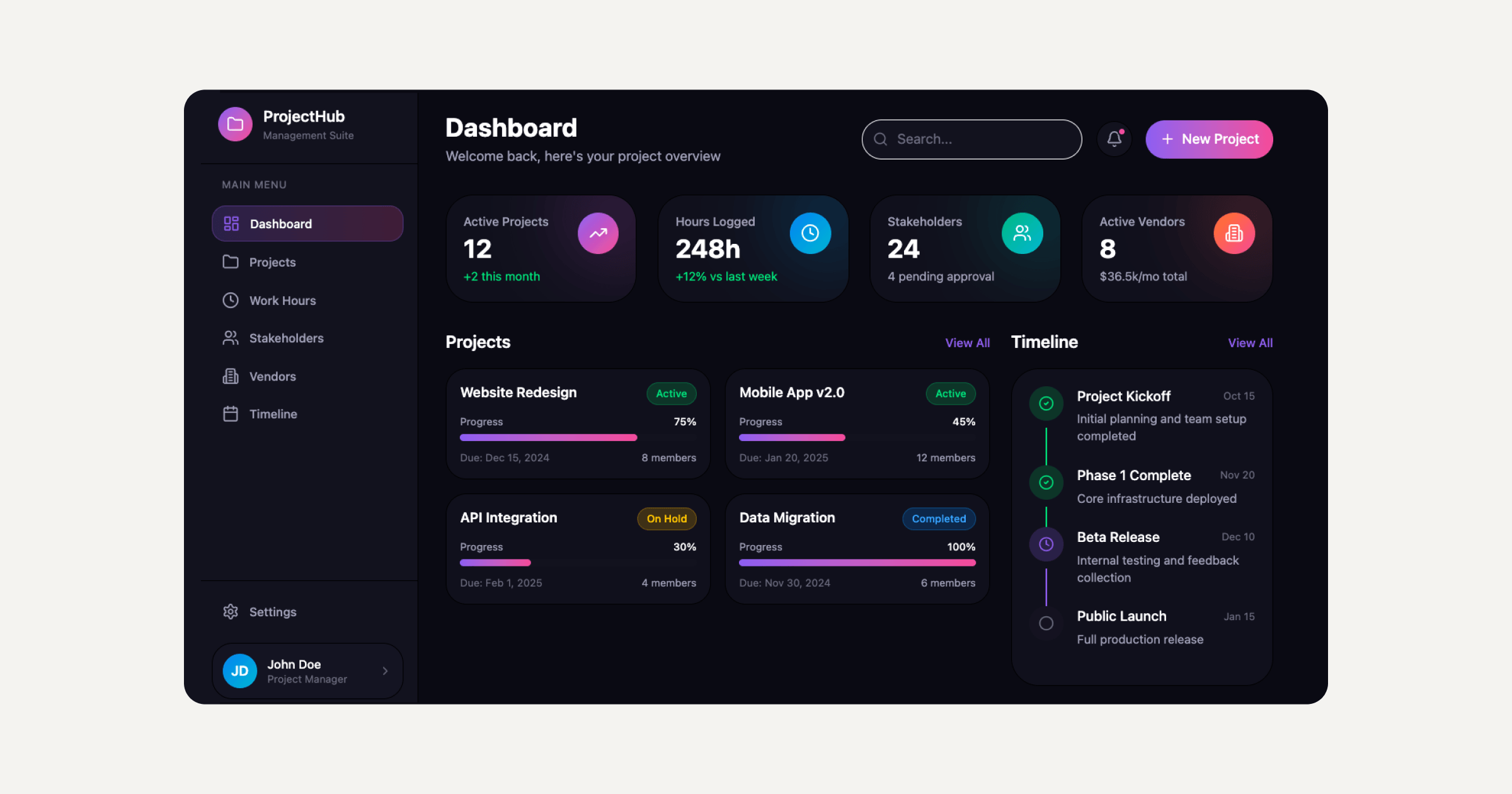
UI Bakery is a low-code platform for building web applications, including internal tools, dashboards, admin panels, and customer portals, through a drag-and-drop editor. It includes a hosted PostgreSQL database (5GB on paid tiers) with a visual table and data editor, connects to external databases, REST APIs, and other third-party services with unlimited data source connections, and ships more than 80 pre-built UI components. Paid tiers include a monthly AI credit allotment, and UI Bakery supports both cloud hosting and self-hosted deployment, including an enterprise self-hosted tier that lets you bring your own AI model.
RapidNative vs UI Bakery at a glance.
| Dimension | RapidNative | UI Bakery | Sticklight |
|---|---|---|---|
| What it is | AI platform that converts prompts, sketches, documents, or screenshots into React Native app code | Low-code platform for building web apps such as internal tools, dashboards, and admin panels | Vibe-coding platform that turns a prompt into production-ready websites, apps, dashboards, CMS, and internal tools |
| Output | React Native mobile app code, exportable or published to app stores | Web applications built visually with a drag-and-drop editor | Production-ready, full-stack output across sites, apps, dashboards, CMS, and internal tools |
| Backend / data | Not detailed beyond the generated React Native code on the vendor’s pricing page | Hosted PostgreSQL database (5GB on paid tiers), plus connections to external databases and REST APIs | Full-stack output generated as part of each build |
| Publish / hosting | Export source code or publish directly to app stores | Cloud hosting on Cloud plans; self-hosted deployment also available | Publish included as part of the Prompt, Build, Publish flow |
| Best for | Teams turning a prompt, sketch, document, or screenshot into a React Native mobile app | Teams building internal tools, dashboards, or admin panels with a data layer built in | Professional web creators who want production-ready full-stack output, including publish, from one prompt |
| Entry pricing | Free plan available, $0 per month (20 credits/month); Starter from $20 per month (50 credits) | Free (Cloud) plan available, $0 per developer per month; Builder (Cloud) from $20 per month per developer, billed annually | Additive to your WordPress/Elementor stack |
Where the two tools differ.
The clearest difference between RapidNative and UI Bakery is what they build. RapidNative is scoped to React Native mobile apps, built around a credit-based generation model: prompts, sketches, documents, or screenshots go in, app code comes out. Tiers run from Free ($0/month, 20 credits) through Starter ($20/month or $119/year), Pro ($49/month or $199/year), Max ($99/month or $399/year), and Ultra ($199/month or $799/year), plus a custom Enterprise tier. UI Bakery is scoped to web applications, particularly internal tools and admin panels, and bundles a database into the product itself. Its Cloud pricing runs Free ($0 per developer per month), Builder ($20/month billed annually or $25/month billed monthly, per developer), Team ($35/month billed annually or $40/month billed monthly, per developer), and a custom Enterprise tier, with matching self-hosted options if you need to run it on your own infrastructure.
Neither tool overlaps much with the other’s core use case. Choosing between them usually comes down to needing a mobile app versus needing an internal web tool with a database, not comparing two versions of the same product.
Where Sticklight fits in.
Sticklight is a different kind of tool from either RapidNative or UI Bakery. It’s a vibe-coding platform for professional web creators: a prompt goes in, and production-ready output comes out, spanning websites, apps, dashboards, CMS, and internal tools, not just mobile app code or a single web-app category. The flow is Prompt, Build, Publish, and publishing is part of the product rather than a separate step.
Sticklight is built by the Elementor team and powered by Claude, and it’s additive to WordPress and Elementor: it works alongside that ecosystem rather than replacing it. If you want one prompt to produce a working, publishable result across more surface area than a single mobile app or a single internal-tools builder, that combination, full-stack output plus publish plus the WordPress and Elementor connection, is the practical differentiator. AI agents are on Sticklight’s roadmap, coming soon, not a shipped feature today.
That doesn’t make RapidNative or UI Bakery the wrong choice for their specific jobs. RapidNative stays a focused option if your deliverable is specifically a React Native mobile app, and UI Bakery stays a focused option if your deliverable is specifically an internal web tool with a built-in database. Sticklight is worth evaluating alongside them when your deliverable is broader than either category alone.
I stopped thinking in templates and started thinking in systems, and the shift changed which jobs I take.
Itamar Haim
Frequently asked questions
What’s the main difference between RapidNative and UI Bakery?
RapidNative generates React Native mobile app code from prompts, sketches, documents, or screenshots. UI Bakery is a low-code platform for building web applications, like internal tools and dashboards, with a hosted database included. They’re built for different kinds of output.
Does RapidNative or UI Bakery include a database?
UI Bakery does. It includes a hosted PostgreSQL database (5GB on paid tiers) with a visual data editor, plus connections to external databases and REST APIs. RapidNative’s pricing page doesn’t detail specific backend or data-store integrations beyond the React Native code it generates.
How does pricing compare between RapidNative and UI Bakery?
RapidNative runs on a credit-based system, with a Free plan ($0/month, 20 credits) and paid tiers from Starter ($20/month) up to Ultra ($199/month), plus annual options and a custom Enterprise tier. UI Bakery prices per developer per month, with a Free (Cloud) plan and paid Cloud tiers starting at $20 per month per developer (billed annually), plus self-hosted options.
Where does Sticklight fit compared to RapidNative and UI Bakery?
Sticklight is a broader, prompt-to-publish platform. It generates production-ready websites, apps, dashboards, CMS, and internal tools from a prompt and publishes the result, and it’s additive to an existing WordPress or Elementor setup. It’s worth considering when you want production-ready full-stack output rather than a single mobile app or a single internal-tools build.
Can I self-host UI Bakery?
Yes. UI Bakery offers self-hosted deployment alongside its cloud plans, including a Free self-hosted tier, a Team self-hosted tier, and a custom Enterprise self-hosted tier that lets you bring your own AI model.
Built by the Elementor team. Powered by Claude.
Let it glow.
