

v0 by Vercel vs Budibase: comparing AI code generation and low-code app building

v0 by Vercel and Budibase start from different premises. v0 generates full-stack application code and UI from a prompt, built for developers already working in GitHub and Vercel. Budibase is a low-code platform for building internal business web apps and automations, on its own data model or connected external sources.
Both solve real problems for different audiences. Here’s what each one actually does, what it costs, and where a third option, Sticklight, fits if you want production-ready output in one flow.
- v0 by Vercel generates full-stack application code and UI from a prompt, with a Visual Design Mode and GitHub sync built for developers already working in the Vercel ecosystem.
- Budibase is a low-code platform built around its own Budibase DB, with support for external SQL databases and REST APIs, aimed at internal business apps and automations.
- v0 pricing starts at $0 per month on the Free plan (7 messages/day limit) and moves to $30 per user per month on Plus. Budibase’s Open Source edition is free to self-host, with cloud plans starting at $19 per month on Pro.
- Budibase offers a self-hosted open-source edition separate from its cloud plans; v0’s output deploys through Vercel and GitHub.
- Sticklight, built by the Elementor team and powered by Claude, turns a prompt into production-ready websites, apps, dashboards, CMS, and internal tools, and it’s additive to an existing WordPress and Elementor stack.
What v0 by Vercel does.
v0 by Vercel generates full-stack web application code and UI from a prompt. It includes a Visual Design Mode for editing generated interfaces, and it syncs with GitHub, so it fits naturally if you already deploy through Vercel. On top of the plan-level credits, v0 charges per token across four model tiers, from v0 Mini up to v0 Max Fast, priced between $1 and $50 per 1M tokens. The Enterprise plan adds SAML SSO, role-based access control, and a data-not-used-for-training guarantee. v0’s own pricing page doesn’t state a specific default backend or database. It describes itself as generating code that you then deploy via Vercel.
What Budibase does.
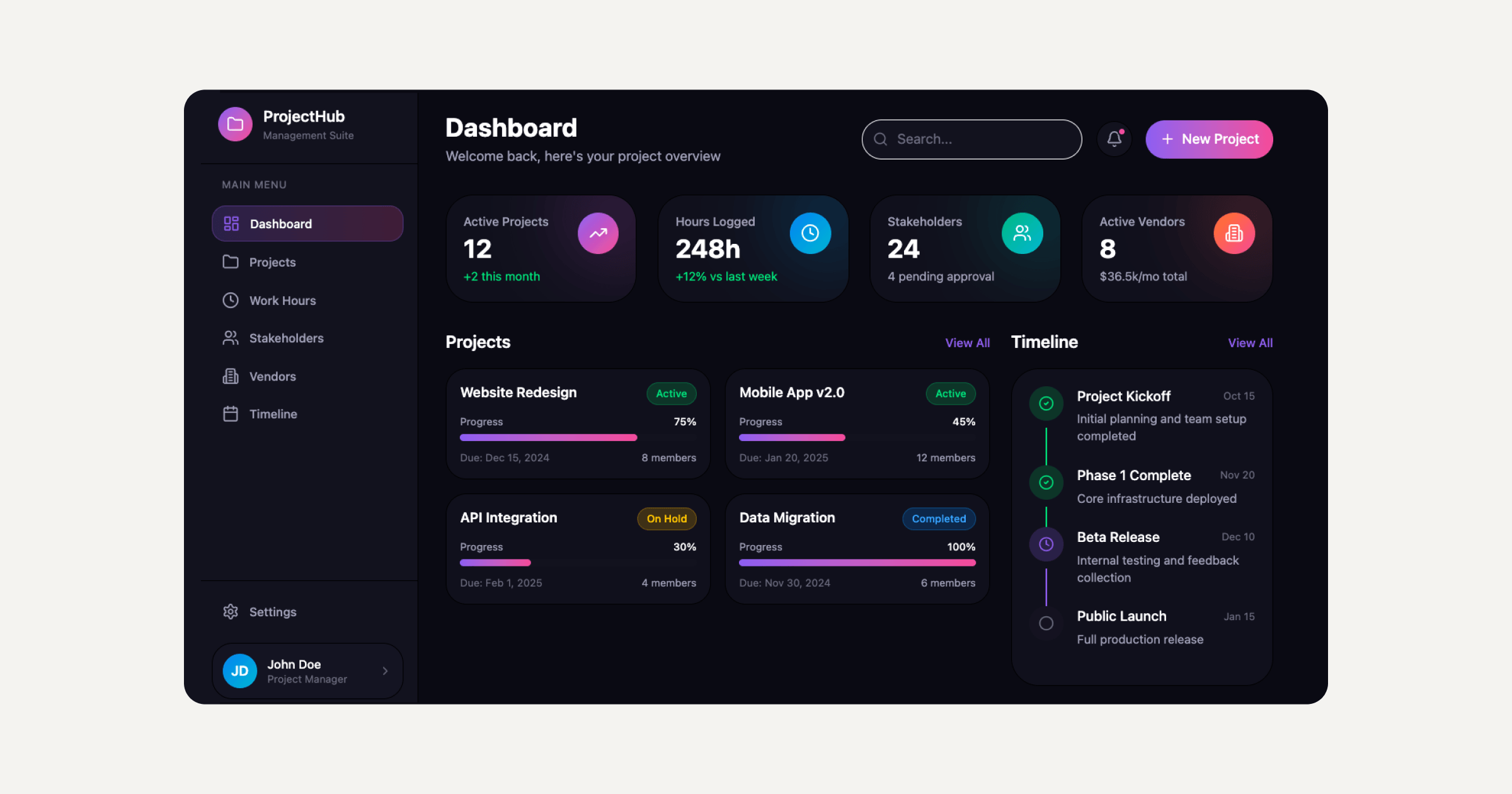
Budibase is a low-code platform for building business web applications and automations. It ships with a built-in data source it calls “Budibase DB,” and it also connects to external data sources, including SQL databases and REST APIs. Row-limit caps scale by plan, running from tens of thousands of rows up to 500,000 on higher cloud tiers, with no cap on enterprise or the self-hosted open-source edition. Paid tiers include AI credit allotments, and Budibase supports building AI agents with configurable instructions and tools. Single sign-on becomes available starting on the Premium plan, per Budibase’s own pricing page.
v0 by Vercel vs Budibase at a glance
| Dimension | v0 by Vercel | Budibase | Sticklight |
|---|---|---|---|
| What it is | AI tool from Vercel for generating full-stack app code and UI | Low-code platform for business web apps and automations | Vibe-coding platform that turns a prompt into production-ready output |
| Output | Full-stack application code and UI, editable in Visual Design Mode | Internal-style web apps built on Budibase DB or connected external data | Websites, apps, dashboards, CMS, and internal tools from one prompt |
| Backend / data | Not specified by default; code is deployed via Vercel | Built-in Budibase DB plus external SQL databases and REST APIs | Flow is prompt, build, publish, additive to a WordPress/Elementor stack |
| Publish / hosting | Deployed through Vercel, with GitHub sync | Self-hosted open-source edition or Budibase cloud plans | Publish is included as part of the Sticklight flow |
| Best for | Developers who want AI-generated code inside a GitHub/Vercel workflow | Teams building internal business apps with an option to self-host | Professional web creators who want full-stack, production-ready output |
| Entry pricing | Free ($0/mo, $5 in monthly credits, 7 messages/day); Plus from $30/user/month | Open Source self-hosted plan is free (1 workspace); cloud Pro from $19/month | Additive to your WordPress/Elementor stack |
How the pricing structures differ.
v0’s Free plan is $0 per month, with $5 in monthly credits and a 7-messages-per-day limit. The Plus plan runs $30 per user per month, with $30 in monthly credits plus $2 in daily login credits. Business costs $100 per user per month and adds training opt-out by default along with priority support. Enterprise pricing is custom, on request. On top of these plan credits, v0 also charges per token across its model tiers.
Budibase’s Open Source edition is free to self-host with one workspace. Pro is $19 per month and includes 5,000 to 10,000 actions, Premium is $49 per month for 20,000 to 50,000 actions, and Business is $299 per month for 250,000 actions. Enterprise, whether cloud or self-hosted, is quote-based. The action-based tiers mean your cost scales with usage volume rather than seats alone.
Where Sticklight fits.
v0 and Budibase both start from a prompt or a builder canvas and end with an application, but they serve different needs. v0 is built for developers extending a GitHub and Vercel-based workflow, and Budibase is built for teams assembling internal business tools on a low-code data model. Sticklight, built by the Elementor team and powered by Claude, takes a different framing: prompt, build, publish. The goal is to turn a single prompt into production-ready output, whether that’s a website, an app, a dashboard, a CMS, or an internal tool. Publishing is part of the same flow, not a separate deployment step you handle elsewhere. Sticklight is also additive to WordPress and Elementor, so it works alongside your existing site rather than requiring a rebuild. If you want to move from prompt to a published, production-ready result without piecing together a code generator and a separate hosting step, that combination is the practical advantage. AI agents are coming to Sticklight, not a shipped capability today.
I never thought I’d say this, but the fun came back into my work once I stopped fighting tools and started just telling them what I meant.
Itamar Haim
Frequently asked questions
Is v0 by Vercel free to use?
Yes. v0 has a Free plan at $0 per month that includes $5 in monthly credits, with a limit of 7 messages per day. Paid plans start at $30 per user per month on the Plus tier.
Can Budibase be self-hosted?
Yes. Budibase offers an Open Source edition you can self-host for free with one workspace, separate from its paid cloud plans, which start at $19 per month on the Pro tier.
How does Sticklight compare to v0 by Vercel and Budibase?
Sticklight turns a prompt into production-ready websites, apps, dashboards, CMS, and internal tools, and publishing is part of the same flow. It’s additive to your existing WordPress and Elementor setup rather than a replacement for either.
Does Budibase support AI agents?
Yes. Budibase supports building AI agents with configurable instructions and tools, and its paid tiers include AI credit allotments that scale by plan.
What does v0’s pricing include beyond the monthly plan fee?
Beyond the plan-level credits, v0 charges per token across four model tiers, from v0 Mini to v0 Max Fast, priced between $1 and $50 per 1M tokens.
Built by the Elementor team. Powered by Claude.
Let it glow.
