
What Is a Backlink?

A backlink is a hyperlink from one website that points to a page on a different website. Search engines read backlinks as a signal that other publishers found a page useful enough to reference it. In practice, a backlink acts like a citation: it tells both readers and crawlers that the linked page contains information worth pointing to.
What a Backlink Actually Is
Every backlink has two sides: the linking page, called the source, and the linked page, called the target. When a blog post, news article, or resource page includes a link to your site, that link becomes a backlink for you. The reverse is also true: any link you place on your own site pointing to another domain is an outbound link from your perspective and a backlink from theirs.
Not all backlinks carry the same weight. A link from an established, topically relevant site tends to matter more than a link from a low-quality or unrelated one. Search engines weigh the source, the surrounding content, and the way the link is coded before deciding how much credit to pass along.
How Backlinks Work
When a search engine crawls the web, it follows the links between pages. Each backlink acts as a small vote of confidence. A page with several relevant backlinks from trustworthy sources is more likely to be seen as credible, which can influence how it ranks for related search queries.
Backlinks do not operate alone, though. They work alongside on-page content, site structure, and topical relevance. A strong backlink profile supports good content, but it rarely compensates for pages that lack real substance.
The Key Parts of a Backlink
- Source page: the page where the link lives, along with its own credibility and topic.
- Anchor text: the clickable words used for the link, which give context about the linked page.
- Link attribute: technical markup, such as follow or nofollow, that signals whether search engines should pass ranking credit.
- Destination page: the specific page being linked to, not just the domain as a whole.
Understanding these parts explains why two backlinks that look similar on the surface can have very different effects on a site.
Why Backlinks Matter
Backlinks matter because they help search engines and readers discover content that might otherwise stay hidden. For a business or publisher, backlinks can bring direct referral traffic from people clicking through, and they can support broader visibility in search results over time.
They also work as a form of independent validation. A product page, guide, or tool that earns links from other sites is signaling, indirectly, that it offers something worth referencing.
Common Uses for Backlinks
Teams build or earn backlinks for several practical reasons:
- Improving how a page performs in organic search results.
- Driving qualified referral traffic from articles, directories, or partner sites.
- Building awareness for a new product, tool, or resource.
- Supporting digital PR efforts tied to original research, data, or reporting.
Where to start: focus first on creating a page genuinely worth linking to, such as original data, a clear guide, or a useful tool. Then look for relevant sites already covering related topics and reach out with context about why the page is useful to their readers.
Where Sticklight fits
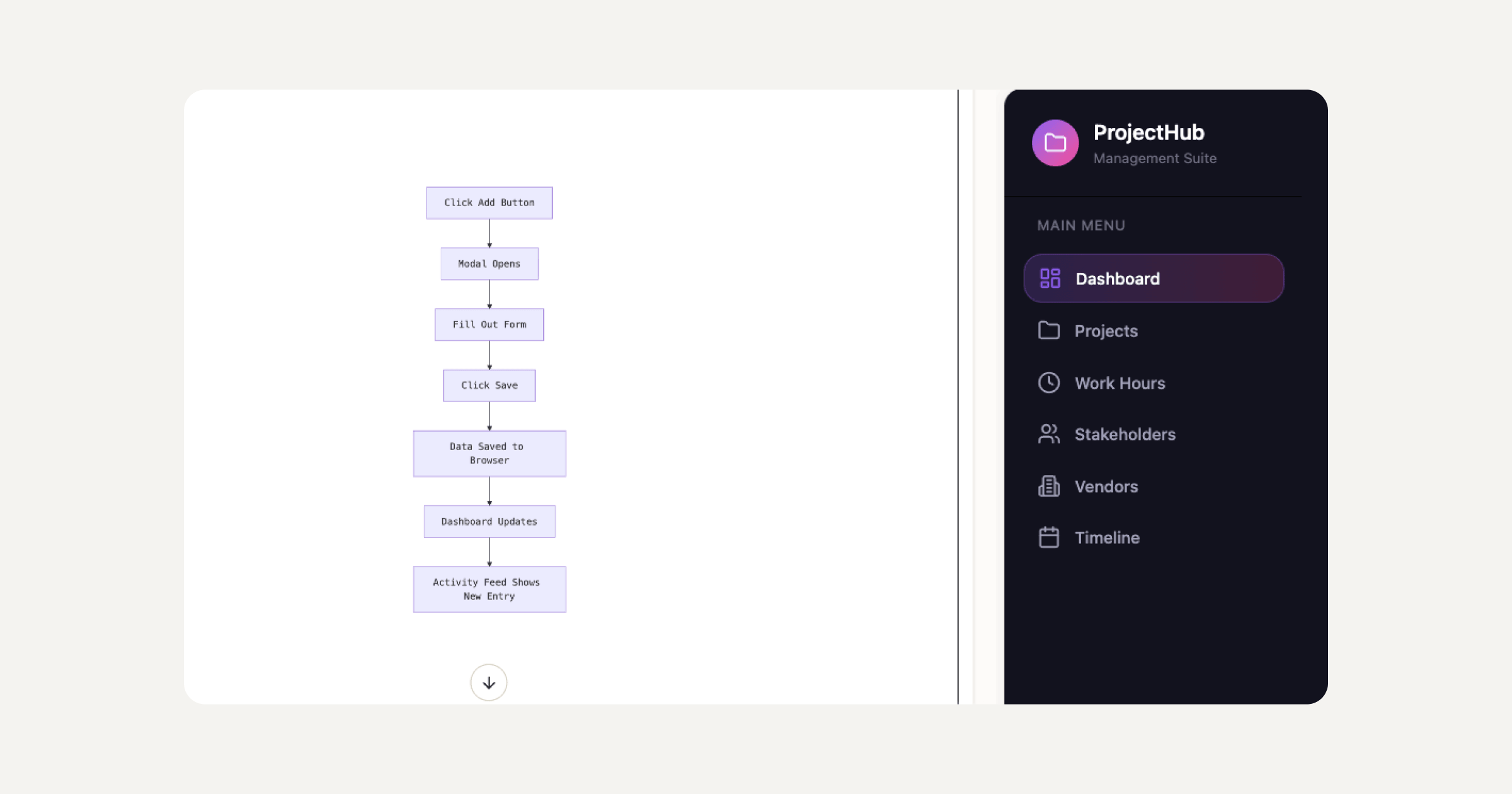
Sticklight is a vibe-coding platform, built for professional web creators, that turns a plain-language prompt into a production-ready website, app, dashboard, CMS, or tool. That range matters for anything tied to backlinks: a team might need a resource hub, an interactive tool, or a data dashboard designed specifically to earn citations, and Sticklight can generate that asset directly from a description instead of starting from a blank editor. It goes beyond websites into full-stack creation, so the same workflow that builds a linkable landing page can also build the logic and data behind it.
WordPress and Elementor remain solid, proven ways to build and extend a site, especially for teams with established content workflows and plugin ecosystems already in place. Sticklight complements that path for projects that need to move from prompt to working product quickly, whether that is a standalone tool designed to attract links or a full application built around a single idea.
Frequently asked questions
What is a backlink in simple terms?
A backlink is a link on one website that points to a page on another website. It acts like a citation, showing that another publisher considered the linked page worth referencing.
How is a backlink different from an internal link?
A backlink comes from a separate domain and points to your site, while an internal link connects two pages within the same site. Both help with navigation and context, but search engines treat cross-domain backlinks as an outside signal of relevance.
Do all backlinks help a website equally?
No. A link from an established, topically relevant site generally carries more weight than one from a low-quality or unrelated page. Search engines also consider the surrounding content and how the link is coded.
What is anchor text in a backlink?
Anchor text is the clickable wording used for a link. It gives readers and search engines context about what the linked page covers, which is why relevant, descriptive anchor text is generally more useful than generic phrasing.
Where should someone start when trying to earn backlinks?
Start with a page genuinely worth linking to, such as original data, a clear guide, or a useful tool. From there, look for sites already covering related topics and explain why the page would be useful to their readers.
Built by the Elementor team. Powered by Claude.
Let it glow.
