

What Is Structured Data?

Structured data is information organized into a consistent, predictable format so both machines and people can read it the same way every time. Instead of loose sentences, it uses defined fields, labels, and relationships, so a program can find a price, a date, or a name without guessing.
What Structured Data Means
At its core, structured data is content broken into named parts. A product listing might have fields for name, price, and availability. An event might have fields for date, location, and organizer. Each field carries a clear label and an expected type of value, which is what separates structured data from a plain paragraph of text.
The term shows up most often around web pages, where markup such as JSON-LD or microdata labels content in a way that search engines and other tools can parse. The same idea applies far beyond the web: spreadsheets, databases, and APIs all rely on structured formats to keep information usable.
How Structured Data Works
Structured data works by pairing values with defined properties from a shared vocabulary. On the web, that vocabulary is often schema.org, which defines standard property names like author, rating, or start date. Content gets tagged with these properties, usually as JSON-LD embedded in a page or as attributes on HTML elements.
Once data is labeled this way, any system that understands the vocabulary can extract it reliably. A search engine can pull a review score. A shopping feed can pull a price. An internal tool can pull a status field, all without a person reading and re-typing the information by hand.
Key Parts of Structured Data
A few elements show up in nearly every structured data setup:
- Format: the container, such as JSON-LD, microdata, XML, or a simple CSV row.
- Vocabulary: the shared set of property names both sides agree on, like schema.org for web content.
- Fields and values: the actual name-value pairs, such as price paired with a number.
- Relationships: how pieces connect, such as a product belonging to a category or a review belonging to a product.
- Identifiers: unique references that let one piece of data point to another without duplicating it.
Why Structured Data Matters
Structured data removes ambiguity. A plain sentence describing a recipe leaves a program guessing which number is the cook time and which is the serving count. Structured data assigns each value to a named field, so there is nothing left to guess.
That consistency is what enables automation at scale. Search engines use it to build rich results. Online stores use it to sync inventory across channels. Internal systems use it to move information between a form, a database, and a dashboard without manual re-entry at every step. As more of the web and more internal tooling gets read by software rather than only by people, structured data becomes the layer that keeps everything interoperable.
Common Uses for Structured Data
Structured data shows up in a wide range of everyday systems:
- Search engine markup for products, recipes, events, and articles.
- Product feeds that sync catalogs across a store, a marketplace, and an ad platform.
- APIs that exchange records between applications in a consistent shape.
- Databases behind content management systems, dashboards, and internal tools.
- Data pipelines that feed analytics, reporting, and increasingly, AI systems that need reliable inputs.
The common thread is repeatability. Once data is structured, it can be reused, queried, and displayed in many places without being rebuilt from scratch each time.
Where Sticklight fits
Sticklight is a vibe-coding platform built for professional web creators. It takes a plain-language prompt and turns it into a production-ready result, whether that result is a website, an app, a dashboard, a CMS, or a standalone tool, going beyond websites into a full-stack creator experience. Structured data sits underneath nearly all of that work, since every app, dashboard, or content system needs a clear data model before it can function.
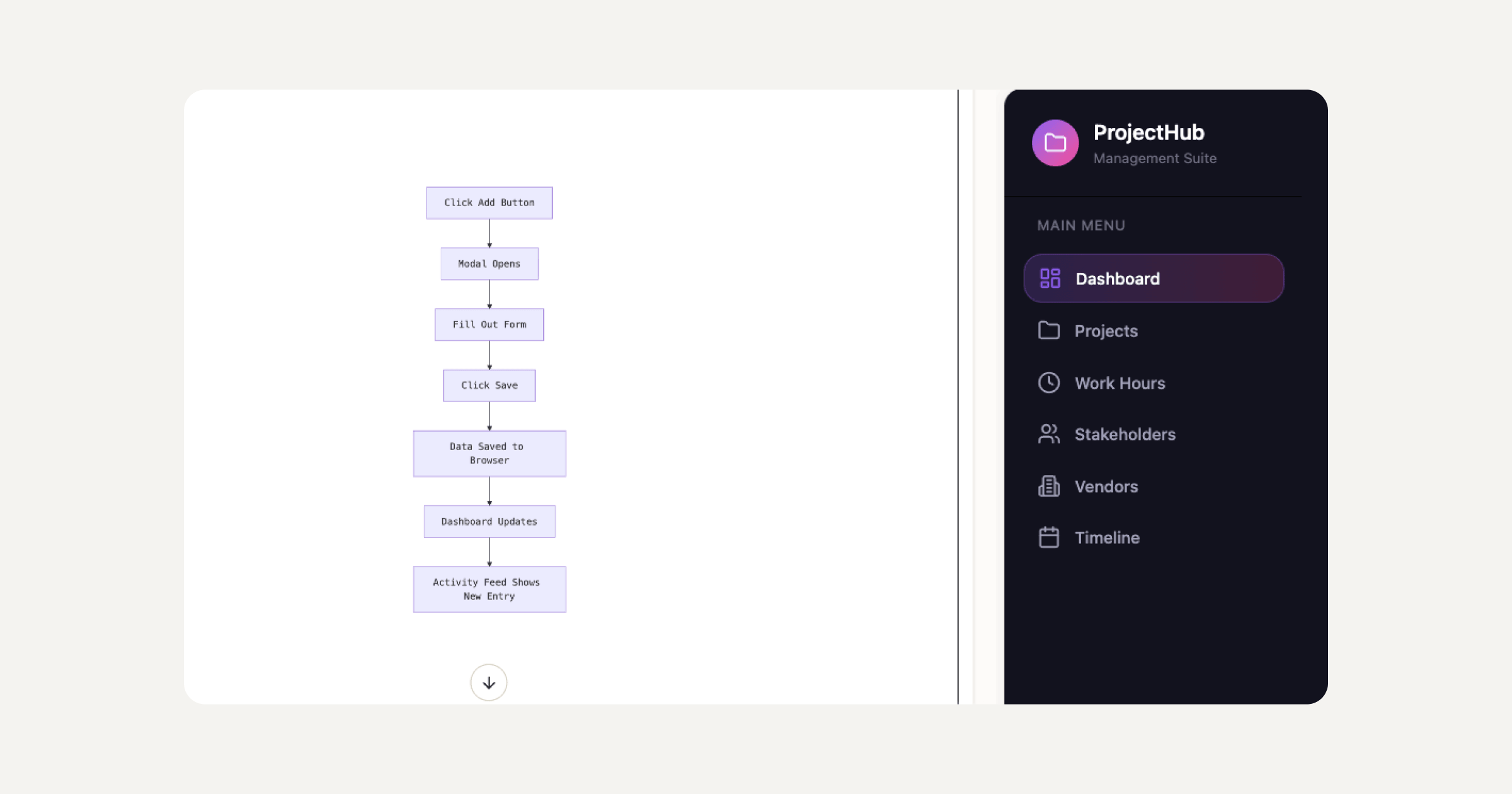
WordPress and Elementor remain solid, proven ways to build and extend a site, and Sticklight is designed to work alongside that world rather than replace it. For teams that want to go beyond a single website into full-stack tools built from a prompt, Sticklight extends what is possible while respecting the systems already in place.
Frequently asked questions
What is structured data in simple terms?
Structured data is information organized into clearly labeled fields and values, so a computer program can read it consistently instead of guessing meaning from plain text.
How is structured data different from unstructured data?
Unstructured data, like a paragraph of prose or a photo, has no predefined fields. Structured data breaks the same information into named parts, such as a date field or a price field, that follow a shared format.
Where does structured data show up most often?
Common places include schema markup on web pages, product feeds for online stores, API responses between applications, and the databases that power content management systems and dashboards.
Why does structured data matter for search engines?
Search engines use structured markup to understand what a page is about and can display that information as rich results, such as star ratings or event dates, directly in search listings.
Do I need to be a developer to use structured data?
Not always. Many platforms and tools generate structured data automatically behind the scenes, though understanding the basic fields and format helps when reviewing or troubleshooting it.
Built by the Elementor team. Powered by Claude.
Let it glow.
