

Zite vs Draftbit: internal business apps vs visual mobile app building

Zite vs Draftbit comes up when you’re weighing AI-assisted, no-code app builders and aren’t sure the two tools solve the same problem. Zite is built for internal business applications such as dashboards, CRMs, and client portals, with a built-in database and workflow automation built in. Draftbit is a visual, drag-and-drop editor for building web and mobile apps, paired with AI agents that generate or edit app logic, and it publishes directly to app stores.
Both platforms gate AI generation with credits or usage limits, and both offer a free tier alongside paid plans that scale with usage. Your choice depends less on price and more on what you’re building and where it needs to run.
- Zite centers on internal business apps, dashboards, CRMs, and client portals, with a built-in database, authentication, and workflow automation.
- Draftbit is a visual app builder for web and mobile, combining drag-and-drop editing with AI agents and one-click publishing to app stores.
- Zite’s free tier includes 5,000 database records and 1,000 monthly workflow runs; its Pro plan is $15/month billed annually.
- Draftbit’s Free Forever tier starts with 5,000 credits; its Standard plan is $12/month and Pro is $24/month.
- Draftbit also offers a separate, paid outsourced development service on top of its self-serve subscription plans.
- Sticklight is a third option worth considering if you want production-ready, full-stack output from a single prompt, additive to an existing WordPress or Elementor stack.
What Zite is built for
Zite is a no-code and AI platform for internal business applications: dashboards, CRMs, and client portals rather than public-facing consumer apps. It comes with a built-in database whose record limits scale by tier, built-in authentication and permissions, and workflow automation with run-count limits that also scale by plan. Every plan, including the free one, allows unlimited users, and Pro and Business plans add custom domain support. Zite also includes webhook and API integrations and version history tracking, useful if you’re iterating on internal tools over time.
On pricing, Zite’s Free plan is $0 per month and includes 5,000 database records, 1,000 monthly workflow runs, and one brand kit. The Pro plan is $15 per month billed annually ($182 per year), stepping up to 100 monthly credits, 100,000 database records, 5,000 monthly workflow runs, and one custom domain. The Business plan is $55 per month billed annually ($662 per year), with 200 monthly credits, 250,000 database records, 50,000 monthly workflow runs, and unlimited custom domains.
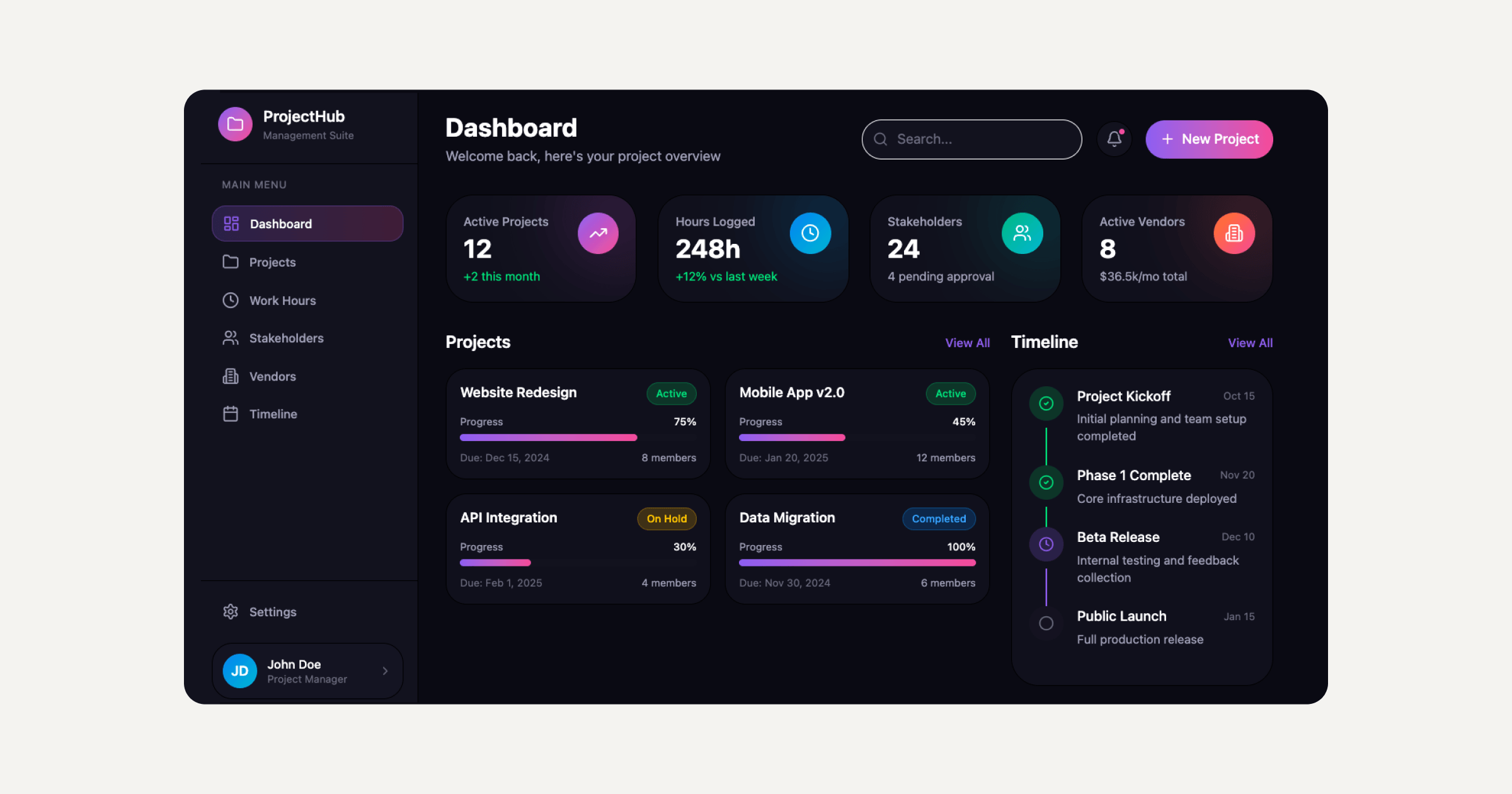
What Draftbit is built for
Draftbit is a visual app-building platform that combines a drag-and-drop editor with live preview and AI agents you can chat with to generate or edit an app. It targets web and mobile apps and supports one-click publishing to app stores, a different workflow from Zite’s internal-tool focus. Draftbit’s AI usage runs on a credit system with daily and monthly caps that vary by plan, and it also allows one-time credit top-ups ranging from $5 to $10,000, with volume bonuses at higher amounts. Beyond the self-serve subscription tiers, Draftbit offers a separate, paid outsourced development service, an “expert” tier where a team builds the app for you rather than you building it yourself; specific pricing for that service tier isn’t confirmed here, so check their site for current details.
Draftbit’s subscription pricing, confirmed directly from its official pricing page, starts with a Free Forever plan at $0 per month with 5,000 starting credits. Standard is $12 per month, Pro is $24 per month, and Team is $120 per month, each with a 20% discount available on annual billing. Enterprise pricing is custom.
Zite vs Draftbit at a glance
| Dimension | Zite | Draftbit | Sticklight |
|---|---|---|---|
| What it is | AI and no-code platform for internal business apps: dashboards, CRMs, client portals | Visual drag-and-drop app builder with AI agents for web and mobile apps | Vibe-coding platform that turns a prompt into production-ready websites, apps, dashboards, CMS, and internal tools |
| Output | Internal business applications with built-in database, auth, and workflows | Web and mobile apps, publishable directly to app stores | Production-ready, full-stack output from a single prompt |
| Backend / data | Built-in database with record limits from 5,000 up to 250,000 by tier | Not detailed on its official pricing page; apps built via visual editor plus AI agents | Built by the Elementor team, powered by Claude |
| Publish / hosting | Custom domain support on Pro and Business plans | One-click publishing to app stores | Publish included as part of the prompt-to-build-to-publish flow |
| Best for | Teams building internal tools like dashboards and client portals | Teams and individuals building visual, cross-platform apps, with an optional outsourced build service | Professional creators wanting full-stack production output additive to a WordPress or Elementor stack |
| Entry pricing | Free ($0/month); Pro $15/month billed annually | Free Forever ($0/month); Standard $12/month | Additive to your WordPress/Elementor stack |
Where Sticklight fits into the Zite vs Draftbit comparison
Zite and Draftbit solve two fairly different problems: Zite for internal, data-backed business tools, Draftbit for visual, cross-platform app design with a route to app stores. Neither targets professional web creators who need production-ready output across an entire stack, sites, apps, dashboards, CMS, and internal tools, from a single prompt.
That’s the gap Sticklight fills. Its flow is prompt, build, publish: you describe what you need and it generates real, production-ready output and publishes it, without requiring you to piece together a database, an editor, and a separate publishing step. Sticklight is built by the Elementor team and powered by Claude, and it’s designed to be additive to an existing WordPress or Elementor workflow rather than a replacement for it, so you can extend your current stack instead of starting over. AI agents are on Sticklight’s roadmap, coming soon, not a feature it offers today. If you’re comparing Zite and Draftbit and finding that neither quite covers full-stack, production-ready output in one step, Sticklight is worth evaluating as a third option.
Answering the same question three times because my first explanation assumed too much is the unglamorous part of this work nobody mentions.
Itamar Haim
Frequently asked questions
What’s the core difference between Zite and Draftbit?
Zite is built for internal business applications like dashboards, CRMs, and client portals, with a built-in database and workflow automation. Draftbit is a visual editor for building web and mobile apps, with AI agents and one-click publishing to app stores.
Do Zite and Draftbit offer a free plan?
Yes, both do. Zite’s Free plan is $0 per month with 5,000 database records and 1,000 monthly workflow runs. Draftbit’s Free Forever plan is $0 per month with 5,000 starting credits.
Can Draftbit publish apps to app stores?
Yes, Draftbit supports one-click publishing to app stores as part of its visual app-building workflow.
Does Zite support custom domains?
Yes, custom domain support is included on Zite’s Pro and Business plans, and the Business plan supports unlimited custom domains.
Where does Sticklight fit if I’ve already looked at Zite and Draftbit?
Sticklight is built for professional web creators who need production-ready websites, apps, dashboards, CMS, and internal tools generated from a prompt and published automatically, and it’s additive to an existing WordPress or Elementor stack rather than a replacement for either Zite or Draftbit’s specific use cases.
Built by the Elementor team. Powered by Claude.
Let it glow.
