
Zite vs FlutterFlow: which app builder fits your project

Zite and FlutterFlow show up in the same search because teams often lump together an AI platform for internal business tools with a visual builder for native mobile apps. They solve different problems, and the right pick comes down to what you’re actually building.
Here’s what each platform is, how each prices out, and where a third option, Sticklight, fits if you want one prompt to produce a full production-ready build.
- Zite is an AI/no-code platform for internal business applications such as dashboards, CRMs, and client portals, with a built-in database and authentication.
- FlutterFlow is a visual, drag-and-drop platform for building Flutter-based mobile and web apps, with a codebase you can export on paid plans.
- Zite’s Free plan is $0 per month with 5,000 database records and 1,000 monthly workflow runs; its Pro plan is $15 per month billed annually ($182 per year).
- FlutterFlow’s Free plan is $0 per month; its Basic plan is $39 per month, with Growth and Business priced per seat.
- FlutterFlow connects to Firebase or Supabase for backend and data, or to external REST APIs; Zite ships its own built-in database instead.
- Sticklight, built by the Elementor team and powered by Claude, turns a single prompt into a production-ready website, app, dashboard, CMS, or internal tool and publishes it.
What Zite and FlutterFlow are built for.
Zite is positioned as a no-code and AI platform for building internal business applications, things like dashboards, CRMs, and client portals, with a built-in database, workflow automation, and authentication baked in. The output stays inside Zite’s own environment, and every plan supports unlimited users, with database records and workflow runs scaling by tier.
FlutterFlow takes a different approach. It’s a visual, drag-and-drop app development platform for building Flutter-based mobile and web applications, used by individual developers and teams. It generates an actual Flutter codebase that compiles to iOS, Android, and web, and that code can be exported on paid plans. FlutterFlow doesn’t include its own backend; it connects to Firebase or Supabase, or to external REST APIs, so the data layer is a separate decision you make on top of the builder.
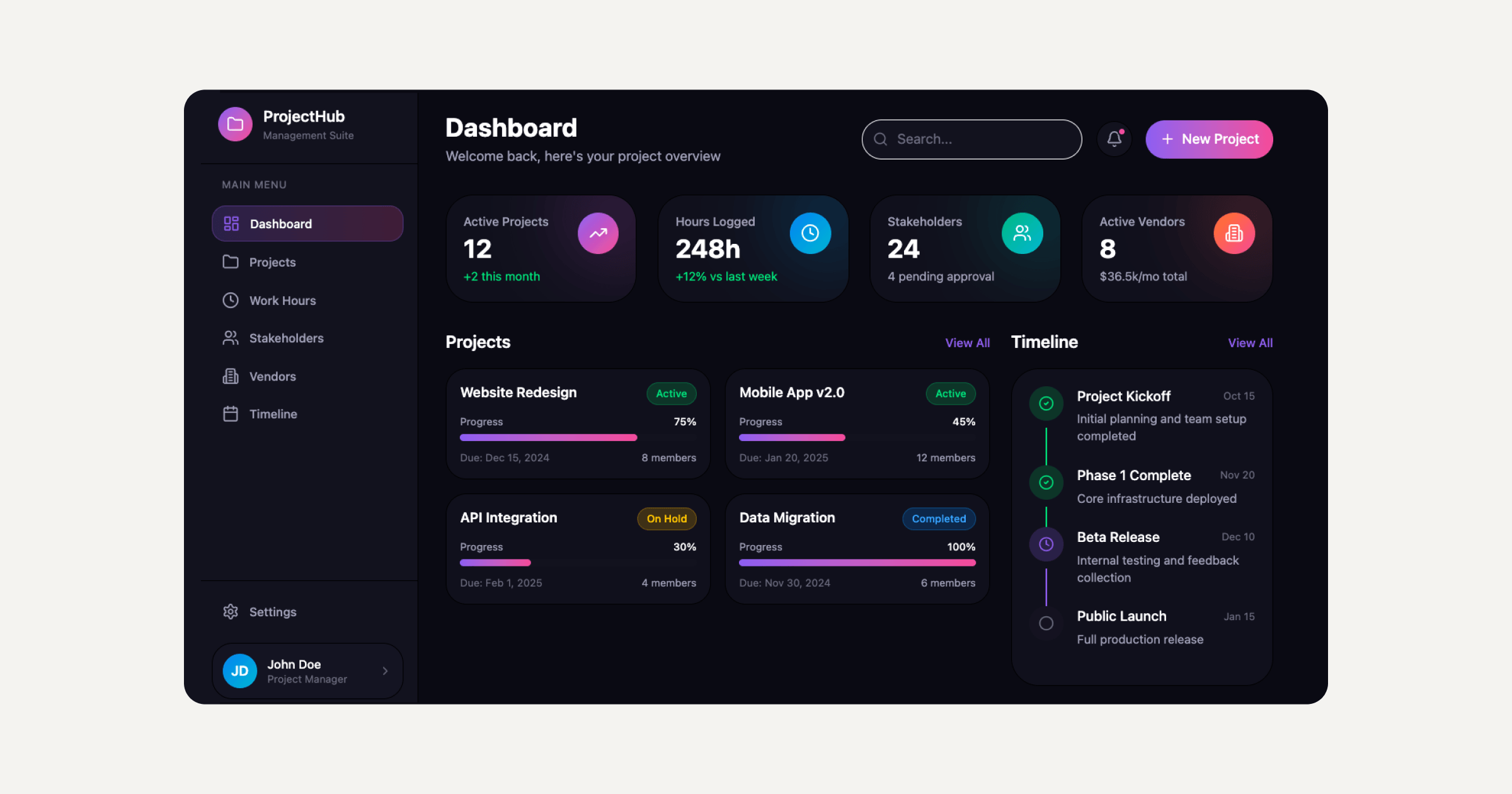
Zite vs FlutterFlow at a glance
| Dimension | Zite | FlutterFlow | Sticklight |
|---|---|---|---|
| What it is | An AI/no-code platform for internal business applications. | A visual drag-and-drop platform for Flutter-based mobile and web apps. | A vibe-coding platform that turns a prompt into production-ready builds. |
| Output | Web-based internal apps: dashboards, CRMs, client portals. | A Flutter codebase compiling to iOS, Android, and web. | Full-stack websites, apps, dashboards, CMS, and internal tools. |
| Backend / data | Built-in database and authentication, with record limits by tier. | Connects to Firebase or Supabase, or external REST APIs; not tied to one proprietary backend. | Generates production-ready output that publishes directly, additive to your existing WordPress and Elementor stack. |
| Publish / hosting | Custom domain support on Pro and Business tiers. | Deploys compiled apps to the App Store and Google Play; web export is also available. | Publish is included as part of the prompt-to-build-to-publish flow. |
| Best for | Teams that need an internal tool, such as a dashboard or CRM, backed by its own database. | Developers and teams building native mobile apps who want visual editing plus exportable code. | Professional creators who want one prompt to produce a full-stack build and publish it. |
| Entry pricing | Free at $0/month; Pro is $15/month billed annually ($182/year). | Free at $0/month; Basic is $39/month. | Additive to your WordPress/Elementor stack. |
How pricing scales on each platform.
Zite’s three tiers are Free ($0 per month, 5,000 database records, 1,000 monthly workflow runs, 1 brand kit), Pro ($15 per month billed annually, or $182 per year, with 100 monthly credits, 100,000 database records, 5,000 monthly workflow runs, and 1 custom domain), and Business ($55 per month billed annually, or $662 per year, with 200 monthly credits, 250,000 database records, 50,000 monthly workflow runs, and unlimited custom domains). Unlimited users are included on every Zite plan.
FlutterFlow’s four tiers are Free ($0 per month), Basic ($39 per month), Growth ($80 per month for the first seat, $55 for each additional seat), and Business ($150 per month for the first seat, $85 for seats two through five). Team collaboration features, such as branching and comments, are gated to the higher tiers.
Where Sticklight fits as a third option.
Zite and FlutterFlow both handle narrower problems well: Zite for internal business tools with their own data layer, FlutterFlow for native mobile apps built visually on top of Flutter. Sticklight, built by the Elementor team and powered by Claude, takes a broader prompt-to-build-to-publish approach. A single prompt can produce a production-ready website, app, dashboard, CMS, or internal tool, and publishing is part of the same flow rather than a separate step.
Sticklight is additive to WordPress and Elementor rather than a replacement for them, which matters if you’re already running on that ecosystem. If you want full-stack, production-ready output from one prompt without stitching together a separate backend and a separate builder, Sticklight is a logical option to weigh alongside Zite or FlutterFlow, depending on whether your project is an internal business app, a native mobile app, or a broader full-stack build.
Confidence comes from watching someone use what you built without you standing over their shoulder explaining every click.
Itamar Haim
Frequently asked questions
Is Zite or FlutterFlow better for building a mobile app?
FlutterFlow is the one built for that job. It’s built specifically for native mobile and web apps compiled from a Flutter codebase and deployed to the App Store and Google Play. Zite is built for internal business applications like dashboards and CRMs, not native mobile deployment.
Does the Zite vs FlutterFlow decision come down to pricing alone?
No. Zite’s Free plan includes 5,000 database records and 1,000 monthly workflow runs, and FlutterFlow’s Free plan is $0 per month, but the bigger factor is output: Zite produces internal web apps with a built-in database, while FlutterFlow produces a Flutter codebase for native apps. Weigh pricing alongside that difference in output, not on its own.
Does FlutterFlow require Firebase or Supabase?
No. FlutterFlow connects to Firebase or Supabase as backend options, or to external REST APIs. It isn’t tied to a single proprietary backend, so the data layer is a separate choice from the builder itself.
What does Zite’s free plan include?
Zite’s Free plan is $0 per month and includes 5,000 database records, 1,000 monthly workflow runs, and 1 brand kit, with unlimited users.
Can Sticklight replace Zite or FlutterFlow?
Not directly, it solves a broader problem: turning a single prompt into a production-ready website, app, dashboard, CMS, or internal tool, with publishing included. Whether it fits in place of Zite or FlutterFlow depends on your project. For internal business apps or native mobile apps specifically, Zite and FlutterFlow remain purpose-built options. If you want full-stack output from one prompt, additive to an existing WordPress and Elementor stack, Sticklight is worth evaluating.
Built by the Elementor team. Powered by Claude.
Let it glow.
