

200 Micro SaaS Ideas in 2026

Micro SaaS is a small, focused software product that solves one problem for one type of customer, usually run by a tiny team or a single founder. In 2026, building one is more realistic than ever, because AI has collapsed the cost of turning an idea into a working product.
This guide collects 200 micro SaaS ideas across 20 categories, from AI agents to niche vertical tools. Each one is deliberately narrow, so you can ship a first version fast, find real users, and grow from there. Use the list as a starting point, then shape an idea around a market you already understand.
The strongest micro SaaS ideas tend to share three traits: a clear buyer, a painful and recurring problem, and a scope small enough to launch in weeks rather than months. As you scan the list, look for the ideas where you have an unfair advantage, whether that is a network, a skill, or firsthand experience with the pain.
AI agents and automation
Small AI agents that take repetitive work off a specific person’s plate.
- Inbox triage agent. Drafts replies and files follow-up tasks for busy founders.
- Meeting-notes agent. Turns call recordings into action items and CRM updates.
- SOP builder. Watches a screen recording and writes the step-by-step process.
- Contract review agent. Flags risky clauses for small law firms and freelancers.
- Support macro generator. Writes on-brand replies from your existing help docs.
- Invoice capture agent. Moves invoices from email into your accounting software.
- Prompt library manager. Version control and sharing for a marketing team’s prompts.
- App QA agent. Clicks through a web app and reports broken flows.
- After-hours voice agent. Answers calls and books appointments for local clinics.
- Automation watchdog. Alerts you the moment a workflow silently fails.
Content and creator tools
Tools that help a single creator or brand publish more without a bigger team.
- Newsletter repurposer. Turns one post into threads, shorts, and captions.
- Show-notes generator. Builds podcast chapters, timestamps, and summaries.
- Thumbnail A/B tester. Compares click-through on video thumbnails.
- Faceless-channel planner. Plans and scripts videos for one narrow niche.
- UGC brief marketplace. Connects brands with vetted micro-creators.
- Single-platform scheduler. Caption and hashtag planning for one channel like TikTok.
- Course-from-transcript builder. Turns coaching calls into a structured course.
- Brand voice guardrail. Rewrites drafts to match a saved style guide.
- B-roll finder. Matches stock footage to a script line by line.
- Comment-to-content miner. Surfaces post ideas from your own audience.
Marketing and SEO
Focused tools for the parts of marketing that repeat every week.
- Programmatic page builder. Spins up local landing pages per service keyword.
- Internal-linking assistant. Suggests links across an existing blog.
- Rank-change monitor. Pings you when a target keyword moves.
- Review-request automation. Nudges happy customers toward a Google review.
- Ad-copy variant generator. Produces ad variants from your product catalog.
- Content-gap tracker. Watches a competitor’s coverage in one niche.
- Campaign naming enforcer. Builds consistent UTMs for small teams.
- AI-answer visibility tracker. Checks how a brand shows up in AI answers.
- Testimonial collector. Turns replies into on-site social proof.
- Deliverability checker. Runs inbox placement tests for cold email.
Sales and CRM
Lightweight sales tools for solo sellers and very small teams.
- Lead-enrichment tool. Fills in company data from a single email address.
- Proposal generator. Pulls pricing from your product sheet into a branded doc.
- Follow-up reminder bot. Keeps solo consultants on top of every thread.
- Deal-room builder. Shares one clean link per prospect.
- Territory and quota planner. Simple planning for small sales teams.
- Call-scoring tool. Grades reps against your sales playbook.
- Renewal-risk dashboard. Highlights accounts likely to churn.
- Warm-intro finder. Maps a team’s shared connections to a target.
- Quote-to-invoice bridge. Turns accepted quotes into invoices for trades.
- Objection-handling library. Searchable answers during live calls.
E-commerce and DTC operations
Back-office tools for small online stores and private-label sellers.
- Bundle and upsell builder. Adds offers tuned to one store niche.
- Return-reason analyzer. Spots product defects from return data early.
- Supplier price tracker. Alerts on cost changes for private-label goods.
- Review importer. Syncs user reviews across marketplaces.
- Restock predictor. Forecasts reorders for seasonal inventory.
- Shipping-cost calculator. Compares carriers per order.
- Description translator. Localizes product copy for cross-border stores.
- Abandoned-cart SMS flow. Recovers carts for very small stores.
- Listing auditor. Flags marketplace policy issues before takedowns.
- Profit-per-SKU dashboard. Nets out fees and ad spend per product.
Productivity and team operations
Small tools that make a distributed team run more smoothly.
- Async standup collector. Summarizes daily updates for managers.
- Meeting-cost calculator. Discourages oversized invites with a live tally.
- Decision log. Captures who decided what and why.
- Focus-time scheduler. Guards deep work on shared calendars.
- Role-based onboarding. Onboarding checklists tailored to one role.
- Credential rotation reminder. Prompts tiny teams to rotate shared logins.
- Template library. Keeps recurring documents and briefs in one place.
- Meeting-time finder. Picks slots that work across time zones.
- Weekly-review app. Pulls your data into an automated review.
- Handbook builder. Keeps company policies searchable and current.
Finance and accounting
Money tools for freelancers, agencies, and small business owners.
- Receipt-to-expense capture. Logs expenses from a photo for freelancers.
- Recurring-revenue dashboard. Tracks MRR for indie SaaS founders.
- Sales-tax reminder. Watches thresholds by state or region.
- Cash-flow forecaster. Projects cash for seasonal businesses.
- Invoice-chasing automation. Sends polite, escalating reminders.
- Subscription-audit tool. Finds unused software spend.
- Profit-split calculator. Splits earnings for small partnerships.
- Mileage and per-diem logger. Tracks reimbursables for field workers.
- Budget-vs-actual tracker. Keeps creative agencies on plan.
- Tax set-aside tool. Reserves estimated tax for solo earners.
HR, hiring, and people operations
People tools sized for teams that do not have a full HR department.
- Job-description writer. Drafts roles tuned to one industry.
- Interview scorecard. Structures ratings for small hiring teams.
- Reference-check automation. Sends templated questions and collects answers.
- PTO tracker. Syncs time off with a shared calendar.
- Recognition board. Lets remote teams celebrate wins.
- Contractor-agreement generator. Creates agreements with e-sign.
- Skills-matrix tracker. Maps who can do what across a team.
- Anonymous feedback collector. Summarizes sentiment for leaders.
- Equipment onboarding tracker. Ships and tracks new-hire gear.
- Compensation-band planner. Sets pay ranges for early-stage startups.
Customer support and success
Tools that help small teams keep customers happy and informed.
- Help-center generator. Turns resolved tickets into articles.
- Churn-signal alerter. Flags usage drops before cancellations.
- SLA timer. Warns before a ticket breaches its deadline.
- Response quality checker. Reviews replies for tone and accuracy.
- Customer-health scorecard. Scores onboarding cohorts on adoption.
- In-app changelog. Shows product updates inside a small app.
- Escalation router. Tags the right owner automatically.
- Feedback-to-roadmap board. Clusters similar feature requests.
- Onboarding email sequencer. Triggers emails from first product actions.
- Status-page builder. Publishes incidents with clear timelines.
Developer and DevOps tools
Small utilities that solo developers and tiny teams reach for daily.
- Plain-language uptime monitor. Explains incidents without jargon.
- Cron-job dashboard. Alerts on missed scheduled runs.
- Env-variable manager. Organizes secrets for a small team.
- API changelog watcher. Flags breaking changes in dependencies.
- Screenshot bug reporter. Captures console logs with each report.
- Feature-flag manager. Lightweight flags for solo developers.
- Backup verifier. Tests that database restores actually work.
- Webhook debugger. Replays and inspects incoming payloads.
- License-compliance scanner. Checks open-source dependency licenses.
- Staging spin-up tool. Creates demo environments for client reviews.
Data, analytics, and BI
Reporting tools for owners who are not full-time analysts.
- Spreadsheet-to-dashboard builder. Turns a sheet into a live dashboard.
- Cohort-retention visualizer. Charts retention for subscription apps.
- Attribution tracker. Connects spend to results on small budgets.
- Metric anomaly alerter. Watches key numbers and flags surprises.
- Survey-to-insight summarizer. Clusters open-text responses into themes.
- KPI scorecard. Emails a weekly performance digest.
- Data-cleaning assistant. Tidies messy contact and lead lists.
- Product-analytics lite. Simple event tracking for early apps.
- Pricing tracker. Follows competitor prices in one category.
- Report-builder. Turns a query into a shareable page.
Healthcare and wellness
Practical tools for small clinics, coaches, and caregivers.
- Intake-form builder. Collects patient details with reminders.
- Meal-plan generator. Helps dietitians build client plans.
- Condition-specific habit tracker. Supports one goal or diagnosis.
- Practice scheduler. Books sessions with clean, structured notes.
- Medication reminder. Keeps caregivers on schedule.
- Coaching programmer. Builds fitness programs for independent coaches.
- Symptom journal. Exports a doctor-ready summary.
- Telehealth intake router. Directs new patients to the right specialty.
- Wellness-challenge platform. Runs challenges for small employers.
- Recovery tracker. Tracks progress for physical therapy patients.
Education and e-learning
Tools for teachers, tutors, and independent course creators.
- Quiz generator. Turns lecture notes into practice tests.
- Cohort-course platform. Runs a course for one subject.
- Spaced-repetition flashcards. Focuses on a single exam.
- Tutor-matching tool. Connects students in a local subject niche.
- Reading-list tracker. Keeps book clubs and classes in sync.
- Feedback assistant. Speeds up grading for busy teachers.
- Certificate issuer. Sends verifiable completion certificates.
- Language-practice partner. Tuned to one language pair.
- Study-group scheduler. Coordinates sessions with shared progress.
- Skill-assessment builder. Creates assessments for bootcamps.
Real estate and property
Tools for agents, landlords, and small property managers.
- Listing-description writer. Drafts copy for agents in one market.
- Rent-roll tracker. Keeps small landlords organized.
- Maintenance portal. Collects and routes repair requests.
- Tenant-screening checklist. Gathers documents in one place.
- Open-house lead capture. Follows up with visitors instantly.
- Short-term-rental pricing helper. Suggests rates for one city.
- Inspection report builder. Assembles reports with photos.
- HOA communication board. Keeps small associations informed.
- Deal analyzer. Runs numbers for buy-and-hold investors.
- Move-in checklist app. Documents condition with signatures.
Legal, compliance, and privacy
Guardrail tools for small businesses that cannot afford surprises.
- Privacy-policy generator. Produces policies for small websites.
- Consent manager. Handles cookie consent for one region.
- Contract-template library. Gives freelancers ready agreements.
- NDA generator. Creates and tracks signatures.
- Data-request tracker. Logs data-subject requests for small teams.
- Compliance calendar. Tracks deadlines by industry.
- Terms-change notifier. Tells users when terms update.
- Vendor-risk collector. Gathers security questionnaires.
- Retention scheduler. Reminds teams to archive or delete records.
- Accessibility checker. Scans small-business sites for issues.
Local and field services
Operations tools for trades, crews, and mobile service businesses.
- Trade-specific scheduler. Books jobs for one trade like plumbing.
- Route optimizer. Orders stops for small delivery routes.
- Quote-and-book widget. Lets customers price and book home services.
- Field-photo reporter. Builds visual reports for inspectors.
- Recurring-service reminder. Rebooks lawn or cleaning crews.
- Parts-inventory tracker. Manages stock for repair shops.
- Review funnel. Routes happy customers to public reviews.
- Two-person dispatch board. Coordinates a small service team.
- Trade estimate calculator. Prices jobs with one trade’s rates.
- Warranty tracker. Records installed-equipment warranties.
Community and membership
Tools for people who run paid communities and member groups.
- Niche community platform. Hosts a paid community for one topic.
- Member directory. Adds search and tags to a group.
- RSVP and reminder tool. Runs events for local groups.
- Volunteer scheduler. Coordinates shifts for nonprofits.
- Renewal tracker. Recovers lapsed memberships.
- Discussion digest. Emails a weekly recap to busy members.
- Mentorship matcher. Pairs mentors and mentees in alumni groups.
- Perks hub. Organizes benefits for association members.
- Content-gating tool. Locks content behind paid tiers.
- Ambassador tracker. Manages referral links and rewards.
Travel, events, and hospitality
Coordination tools for planners, hosts, and small operators.
- Itinerary builder. Assembles trips for boutique travel agents.
- Trip cost splitter. Tracks who owes what on group trips.
- Vendor coordination board. Keeps event planners on schedule.
- Waitlist tool. Manages reservations for small venues.
- Tour-booking widget. Sells experiences for local operators.
- Guest-messaging app. Automates replies for rental hosts.
- Agenda builder. Creates personal schedules for conferences.
- Catering-order manager. Organizes orders for small kitchens.
- Wedding checklist. Tracks tasks and vendors in one place.
- Local-experience marketplace. Lists activities for one city.
Sustainability and climate
Tools that help small organizations measure and reduce impact.
- Footprint tracker. Estimates emissions for small businesses.
- Energy dashboard. Monitors usage for a single facility.
- Recycling scheduler. Coordinates pickups for apartment buildings.
- Sustainable-supplier directory. Lists vetted vendors in one industry.
- ESG-reporting helper. Guides small companies through basic reports.
- Niche resale marketplace. Sells secondhand goods in one category.
- Food-waste tracker. Reduces waste for small restaurants.
- Charging-availability tracker. Shows EV chargers in a local area.
- Water-usage monitor. Tracks consumption for property managers.
- Green-commute planner. Encourages low-carbon commuting for employers.
Niche vertical SaaS
Purpose-built tools for one type of business, where general software falls short.
- Tattoo-studio manager. Handles bookings, deposits, and consent forms.
- Brewery ops app. Tracks batches, inventory, and taproom sales.
- Photographer client portal. Shares galleries, contracts, and payments.
- Yoga-studio app. Manages classes, memberships, and check-ins.
- Food-truck ops app. Coordinates orders, prep, and locations.
- Nonprofit case tracker. Records client cases and outcomes.
- Equipment-library manager. Runs rentals for tool and gear libraries.
- Music-teacher scheduler. Books lessons and tracks payments.
- Cafe menu manager. Keeps menus and allergen info current.
- Interior-design tracker. Manages projects, sourcing, and approvals.
How to turn any of these ideas into a real product
Picking an idea is the easy part. The harder part used to be building it. With Sticklight, you describe what you want in plain language and get a production-ready build back, so a validated idea can become a working app without a large team or a long runway.
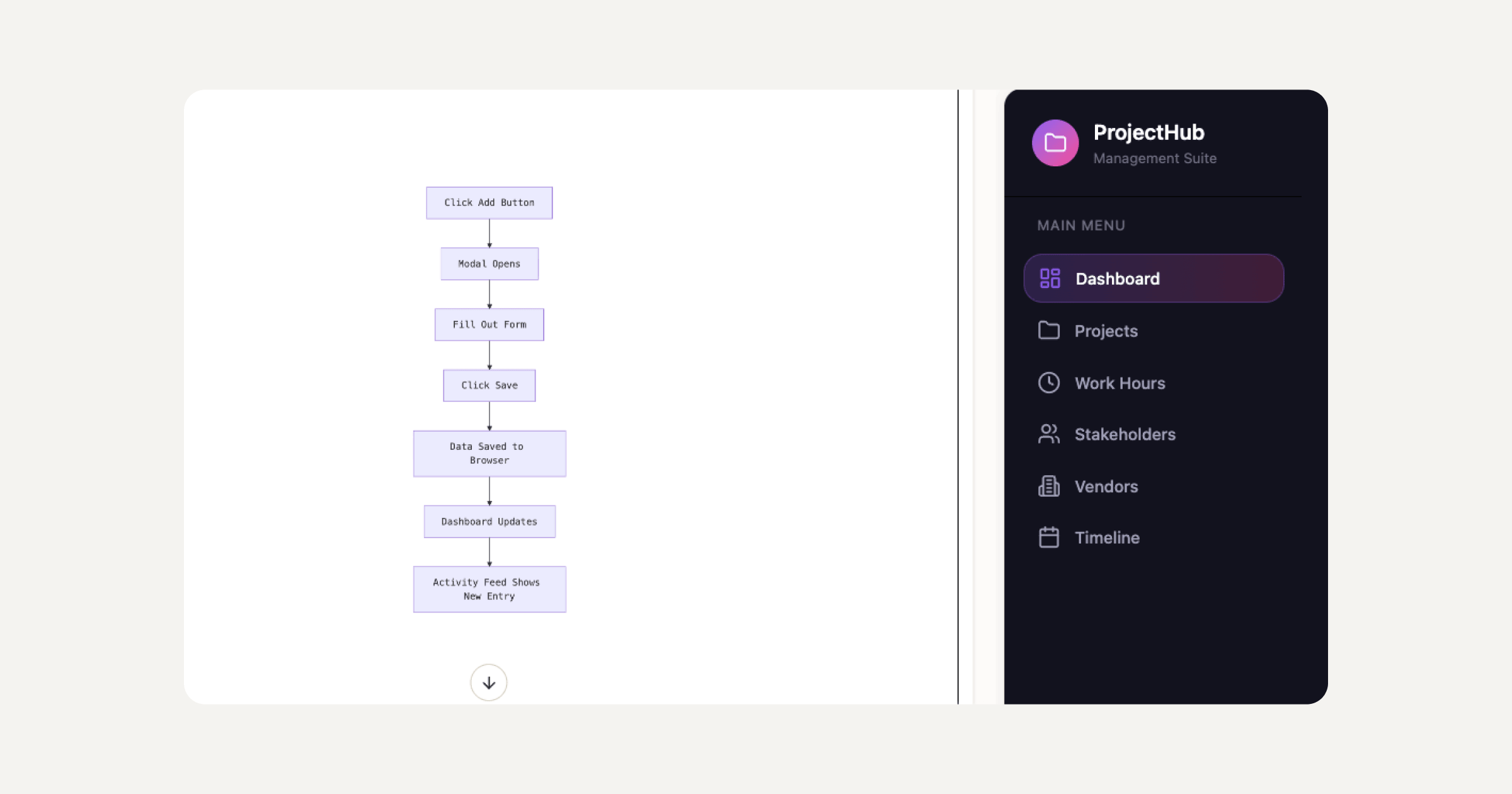
Sticklight turns a prompt into production-ready websites, apps, dashboards, CMS, and internal tools, which covers most of what a micro SaaS needs on day one. You can start with a landing page to test demand, then build the core product, add a dashboard for your users, and wire up the content and settings screens as you grow. If you already run on WordPress or Elementor, Sticklight fits alongside your existing site rather than replacing it.
Our advice is to build the smallest version that solves the core problem, put it in front of ten real users, and let their feedback decide what you build next. Momentum comes from shipping, not from planning.
Frequently asked questions
What is a micro SaaS?
A micro SaaS is a small software product focused on one problem for one audience, usually run by a solo founder or a very small team with low overhead and a narrow feature set.
Are micro SaaS ideas still profitable in 2026?
Yes. Narrow tools that solve a painful, recurring problem for a specific audience can reach meaningful recurring revenue, especially now that AI lowers the cost of building and supporting them.
How do I validate a micro SaaS idea?
Talk to potential buyers, put up a simple landing page, and try to get a handful of people to commit before you build. Real signups or pre-orders tell you far more than survey answers.
How much does it cost to build a micro SaaS?
Far less than it used to. With AI build tools you can create a first version yourself, so the main costs are your time plus hosting and any paid services you connect, like payments or email.
What should my first micro SaaS feature be?
The single feature that solves the core problem. Ship that, get real users, and add the rest based on what they actually ask for.
Built by the Elementor team. Powered by Claude.
Let it glow.
