
Adalo vs Sticklight: comparing native app building and full-stack prompting

Choosing between Adalo and Sticklight comes down to one question: do you need a native mobile app for the app stores, or a broader piece of software, a website, dashboard, CMS, or internal tool, built from a single prompt? Adalo is a no-code platform built specifically for native iOS and Android apps. Sticklight is a vibe-coding platform that turns a prompt into production-ready output across a wider range of formats and publishes it.
Both platforms remove the need to hand-code an application from scratch, but they start from different premises and serve different builders.
- Adalo is a no-code, drag-and-drop platform focused on native mobile apps, with web app output included and app-store publishing available on paid plans.
- Adalo’s confirmed pricing runs from a $0 Free plan up to $160 per month, billed annually, on the Team plan, plus a separately priced Adalo Blue tier for enterprise needs.
- Sticklight is a prompt-to-production platform: describe what you want and it builds production-ready websites, apps, dashboards, CMS setups, and internal tools, then publishes them.
- Sticklight is built by the Elementor team and works alongside your existing WordPress or Elementor workflow instead of replacing it.
- Adalo’s free tier caps app data at 500 records; Sticklight’s edge is the breadth of output types and Elementor-team production quality from a single prompt.
What Adalo is built for.
Adalo is a no-code platform for building native mobile and web applications. You assemble screens visually with a drag-and-drop editor, wire up a built-in database, and configure logic without writing code. The platform is oriented around shipping to the app stores: Adalo publishes finished apps as native iOS and Android submissions, alongside a web app output. Its Free plan includes a database capped at 500 records, per the official pricing page.
What Sticklight is built for.
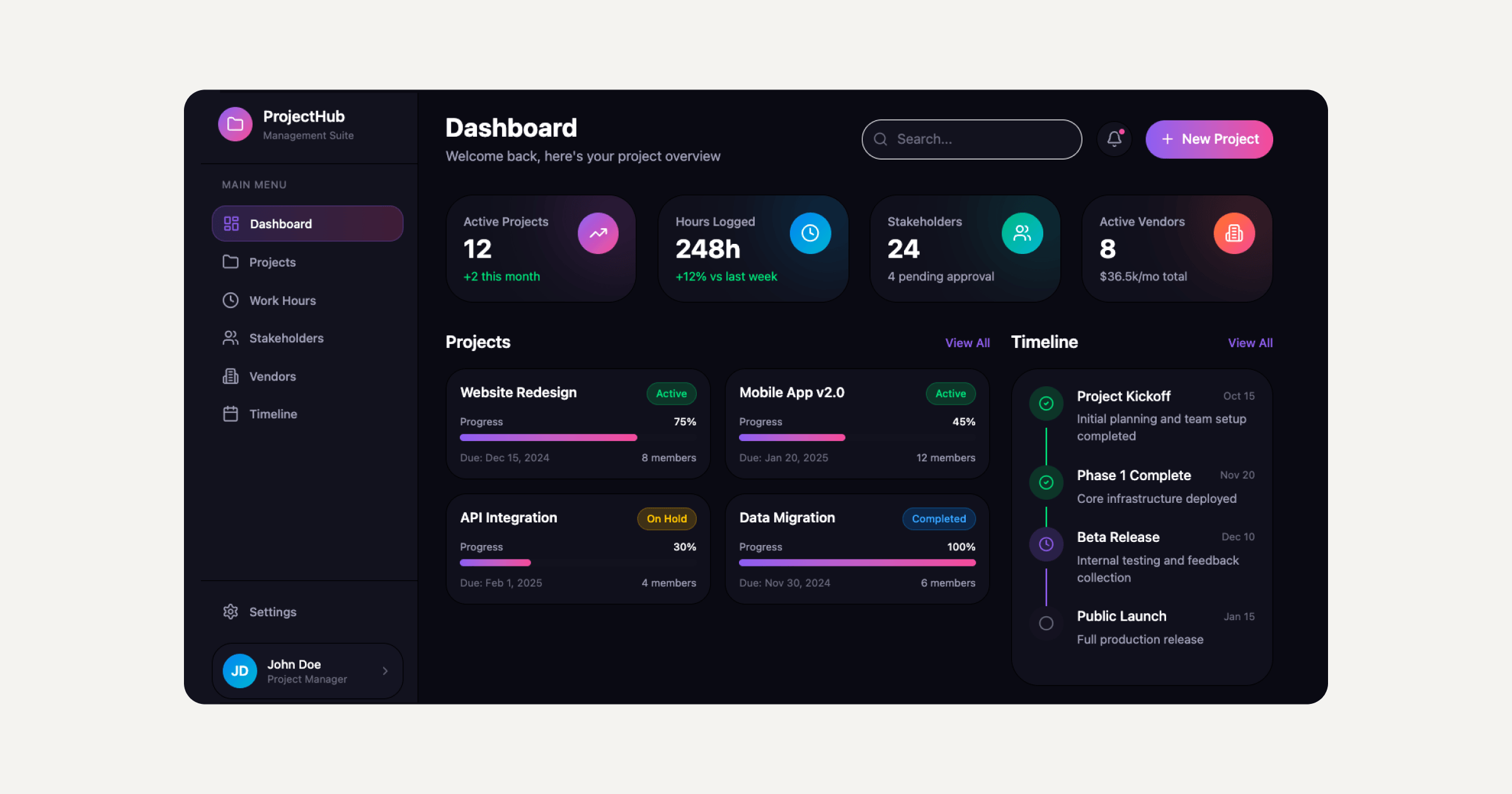
Sticklight follows a Prompt, Build, Publish flow: you describe what you want, Sticklight generates real, production-ready output, and publishes it. The scope extends beyond a single app type, covering websites, apps, dashboards, CMS setups, and internal tools from the same prompt-driven process. It’s built by the Elementor team and powered by Claude, designed to work alongside WordPress and Elementor rather than replace them, so an existing WordPress or Elementor workflow gets full-stack output added on top, not swapped out. AI agents are coming soon, not a shipped capability yet.
Adalo’s pricing and plans.
Adalo’s official pricing page lists a Free plan at $0 per month, a Starter plan at $36 per month billed annually, a Professional plan at $52 per month billed annually, and a Team plan at $160 per month billed annually. Starter is the entry point for publishing to the app stores, Professional adds capacity for small and medium business use, and Team supports multiple editors and multiple apps, aimed at agencies and freelancers. A separate, custom-priced “Adalo Blue” tier covers enterprise needs. Pricing is flat and plan-based, with no usage-based or per-action charges listed on the official pricing page. Monthly billing runs at a higher rate than the annual figures above, though Adalo’s site doesn’t itemize the exact monthly-billed dollar amounts.
Adalo vs Sticklight at a glance
| Dimension | Adalo | Sticklight |
|---|---|---|
| What it is | No-code platform for native mobile and web apps | Prompt-to-production platform for websites, apps, dashboards, CMS, and internal tools |
| Output | Native iOS and Android app-store submissions, plus web apps | Production-ready websites, apps, dashboards, CMS, and internal tools |
| Backend / data | Built-in database, 500-record limit on the Free plan | Full-stack output generated from the prompt as part of the build |
| Publish / hosting | App-store submission on Starter plan and above, plus web publishing | Publish is included as the final step of the Prompt, Build, Publish flow |
| Best for | Teams shipping a native mobile app to the app stores | Professional creators wanting one prompt to cover multiple output types, additive to WordPress and Elementor |
| Entry pricing | Free at $0 per month; Starter $36 per month billed annually | Additive to your WordPress/Elementor stack |
Where each tool fits.
If you need a native mobile app that has to live in the Apple App Store or Google Play Store, Adalo’s app-store publishing and mobile-first editor are a direct fit, with predictable, flat, plan-based pricing. If your goal is broader, a website, a dashboard, a CMS, or an internal tool alongside or instead of a mobile app, and you already work in WordPress or Elementor, Sticklight is the more logical choice: one prompt covers more output types, the result is production-ready, and it fits into your existing workflow instead of sitting apart from it.
Neither tool erases the other’s use case. If you’re building a companion mobile app, you might still reach for Adalo, while using Sticklight for the website, dashboard, and internal tools that support it.
Frequently asked questions
Is Adalo or Sticklight the better choice for building a native mobile app?
Adalo is the more direct fit here. It’s purpose-built for native iOS and Android app publishing, with app-store submission available starting on its Starter plan. Sticklight’s output spans websites, apps, dashboards, CMS, and internal tools from a prompt, but a dedicated app-store workflow is Adalo’s specific focus.
How much does Adalo cost compared with Sticklight?
Adalo’s confirmed pricing runs from a $0 Free plan to a $160 per month Team plan, billed annually, plus a custom-priced Adalo Blue enterprise tier. Sticklight doesn’t publish dollar figures here; it’s positioned as additive to your existing WordPress or Elementor stack.
Can I use Adalo and Sticklight together?
Yes. They serve different starting points rather than competing for the same build. You could use Adalo for a native app and Sticklight for the website, dashboard, or internal tools around it, especially if you already work in WordPress or Elementor.
Does Sticklight replace WordPress or Elementor?
No. Sticklight is built by the Elementor team and designed to be additive, working alongside WordPress and Elementor rather than replacing them.
Built by the Elementor team. Powered by Claude.
Let it glow.
