AppGyver vs Sticklight: comparing the two app builders

AppGyver vs Sticklight compares two very different routes to building software today. AppGyver was a standalone visual, no-code/low-code app builder; it’s since been discontinued as an independent product, and its technology now operates as SAP Build Apps, part of the broader SAP Build suite. Sticklight takes a different path: it turns a prompt into a production-ready website, app, dashboard, CMS, or internal tool, then publishes it, built for professional web creators who want to become full-stack builders.
Here’s what each platform is right now, how they differ on output, backend, and publishing, and where a professional creator might lean toward one over the other.
- AppGyver no longer exists as an independent product. Its technology now ships as SAP Build Apps, folded into the wider SAP Build suite.
- SAP Build Apps is a visual, no-code/low-code builder for web and mobile apps, built for organizations already working within SAP’s platform.
- SAP Build Apps (formerly the AppGyver Community Edition) is part of the SAP Build suite, and current SAP pricing couldn’t be independently verified, so check their site for current pricing.
- Sticklight turns a single prompt into production-ready output across sites, apps, dashboards, CMS, and internal tools, then publishes it.
- Sticklight is built by the Elementor team and powered by Claude, and it works alongside WordPress and Elementor rather than replacing them.
- Existing AppGyver and SAP Build Apps customers reportedly keep access to the product for the duration of their current contracts, per SAP community communications.
What AppGyver is today
AppGyver started as a standalone visual builder for web and mobile apps. That independent brand is gone, and appgyver.com now points to SAP Build. The underlying technology continues under the name SAP Build Apps, a low-code app builder that sits inside SAP’s broader Business Technology Platform. SAP Build Apps includes cloud functions for backend logic and integrates with other SAP platform services, which makes it most relevant to teams already running on SAP infrastructure. SAP community posts indicate that SAP Build Apps is itself being folded into a unified “SAP Build” packaging and pricing model, and that existing AppGyver or SAP Build Apps customers keep access to the product for the length of their current contracts.
SAP Build Apps was formerly the independent AppGyver product and is now part of the SAP Build suite. The official SAP pricing page couldn’t be directly verified as part of this comparison, so specific dollar figures for AppGyver or SAP Build Apps aren’t stated here. If you’re evaluating it for a project, check their site for current pricing before you decide.
What Sticklight is
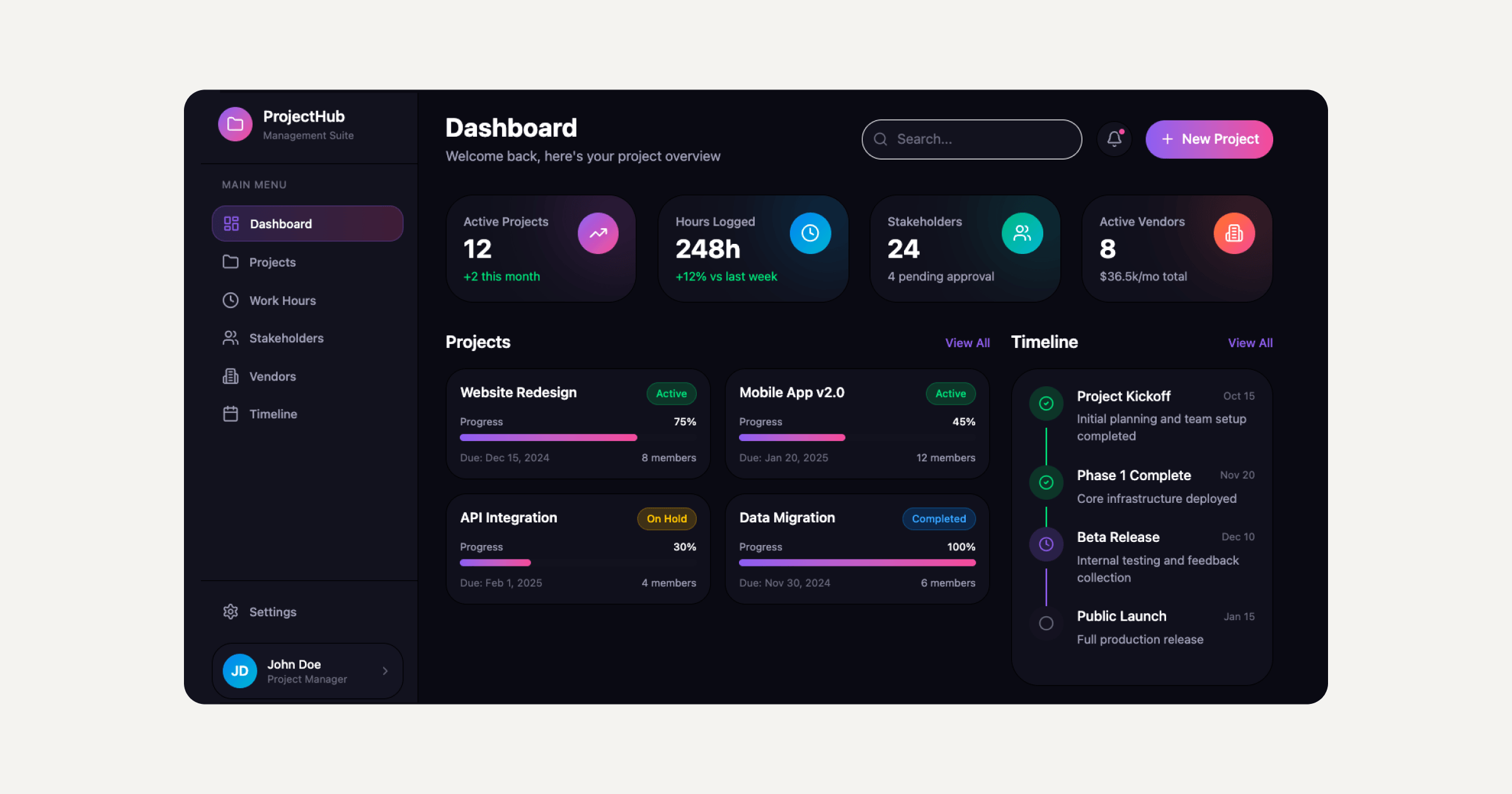
Sticklight is a vibe-coding platform built for professional web creators. Its positioning is “beyond websites, become a full-stack creator,” and it runs on three pillars: prompt, build, publish. You describe what you want, Sticklight generates real, production-ready output, and the result gets published rather than left as a mockup or a prototype you still need to wire up elsewhere. Sticklight is built by the Elementor team and powered by Claude, and it’s designed to be additive to WordPress and Elementor: it works alongside those tools rather than treating them as something to replace.
AppGyver vs Sticklight at a glance
| Dimension | AppGyver (SAP Build Apps) | Sticklight |
|---|---|---|
| What it is | A low-code app builder, formerly the independent AppGyver product, now part of the SAP Build suite | A prompt-to-production platform for building full-stack websites, apps, dashboards, CMS, and internal tools |
| Output | Web and mobile apps built visually within the SAP Build environment | Production-ready websites, apps, dashboards, CMS, and internal tools generated from a prompt |
| Backend / data | Cloud functions for backend logic, integrated with other SAP Business Technology Platform services | Full-stack output as part of the same prompt-to-build flow |
| Publish / hosting | Deployed within the SAP Build / SAP Business Technology Platform ecosystem | Publish is included as part of the prompt, build, publish flow |
| Best for | Organizations already standardized on SAP’s platform who need low-code app development inside that ecosystem | Professional web creators who want production-ready, full-stack output from a single prompt |
| Entry pricing | Check their site for current pricing | Additive to your WordPress/Elementor stack |
Backend, publishing, and who each tool fits
The practical difference between these two tools starts with who they’re built for. SAP Build Apps sits inside an enterprise platform: its cloud functions and integrations with other SAP Business Technology Platform services make the most sense for teams already inside that ecosystem, building internal or line-of-business apps that need to talk to SAP systems. Its visual, low-code approach to app building is the core skill it asks you to bring.
Sticklight starts from a different point: you describe what you want in a prompt, and Sticklight builds and publishes it as production-ready output, covering sites, apps, dashboards, CMS, and internal tools from that same flow. Because it’s built by the Elementor team, it’s designed to sit alongside WordPress and Elementor rather than compete with them, which matters if you already have workflows built around that ecosystem and want to extend what you can ship without leaving it behind. AI agents are on Sticklight’s roadmap; they’re not part of what it ships today.
Neither tool is a strict subset of the other. A team standardized on SAP and needing low-code apps that plug into SAP services has a real reason to look at SAP Build Apps. A professional creator who wants to go from a prompt to a published, production-ready site, app, dashboard, or tool, without leaving the WordPress and Elementor world behind, has a real reason to look at Sticklight.
The strangest part of my week is arguing gently with a tool about whether a header should feel playful or serious, and watching it actually adjust.
Itamar Haim
Frequently asked questions
Is AppGyver still a separate product from Sticklight, or did it become something else?
No, AppGyver isn’t sold as an independent product anymore. Its technology now operates as SAP Build Apps, part of the SAP Build suite, a completely separate lineage from Sticklight.
What’s the main difference between AppGyver vs Sticklight?
SAP Build Apps (formerly AppGyver) is a low-code visual builder for web and mobile apps within SAP’s platform. Sticklight generates production-ready websites, apps, dashboards, CMS, and internal tools from a prompt and publishes them, built additively for the WordPress and Elementor ecosystem.
How much does AppGyver (SAP Build Apps) cost?
Exact current pricing couldn’t be independently verified from an official SAP pricing page, so check their site for current pricing. AppGyver is now part of SAP Build Apps within the SAP Build suite.
Can I use Sticklight alongside my existing WordPress or Elementor site?
Yes. Sticklight is built by the Elementor team to work alongside WordPress and Elementor, not replace them.
Do existing AppGyver customers lose access now that it’s SAP Build Apps?
No. Per SAP community communications, existing AppGyver and SAP Build Apps customers keep access to the product for the duration of their current contracts.
Built by the Elementor team. Powered by Claude.
Let it glow.