
Appsmith vs Sticklight: choosing the right build platform

Appsmith vs Sticklight is a question of what you’re building and who you’re building it for. Appsmith is an open source low-code platform built for internal applications: admin panels, dashboards, and CRUD interfaces. Sticklight is a vibe-coding platform that turns a prompt into a production-ready website, app, dashboard, CMS, or internal tool, built for professional web creators who want to publish real, live output without assembling a stack by hand.
Both tools can produce internal-facing software, but the audience, the output format, and the publishing model differ enough that the right choice depends on the project in front of you.
- Appsmith is an open source low-code platform focused on internal tools: admin panels, dashboards, and CRUD interfaces connected to existing data sources.
- Sticklight is a vibe-coding platform that goes from prompt to production-ready output, spanning websites, apps, dashboards, CMS, and internal tools, then publishes it.
- Appsmith’s Community edition is free and self-hosted; its Business and Enterprise cloud tiers are priced per user and per month respectively.
- Sticklight is built by the Elementor team and powered by Claude, and works additively alongside WordPress and Elementor rather than replacing them.
- Appsmith requires connecting your own data sources and assembling the interface; Sticklight is aimed at professional creators who want a full-stack result from a single prompt.
- Neither tool should be picked on reputation alone. The right one depends on whether you need a data-connected internal panel or a broader, published, client-facing build.
What Appsmith is built for
Appsmith positions itself as an open source low-code platform for building internal applications. Its core use case is connecting to your existing databases and REST APIs, then assembling admin panels, dashboards, and CRUD interfaces on top of that data. The Community edition is open source and self-hosted, which suits teams that want to run the platform on their own infrastructure and version their applications with Git. The Business and Enterprise cloud tiers add unlimited workspaces and Git repositories, SAML and OIDC single sign-on, SCIM provisioning, and support commitments, aimed at teams standardizing internal tooling across an organization.
What Sticklight is built for
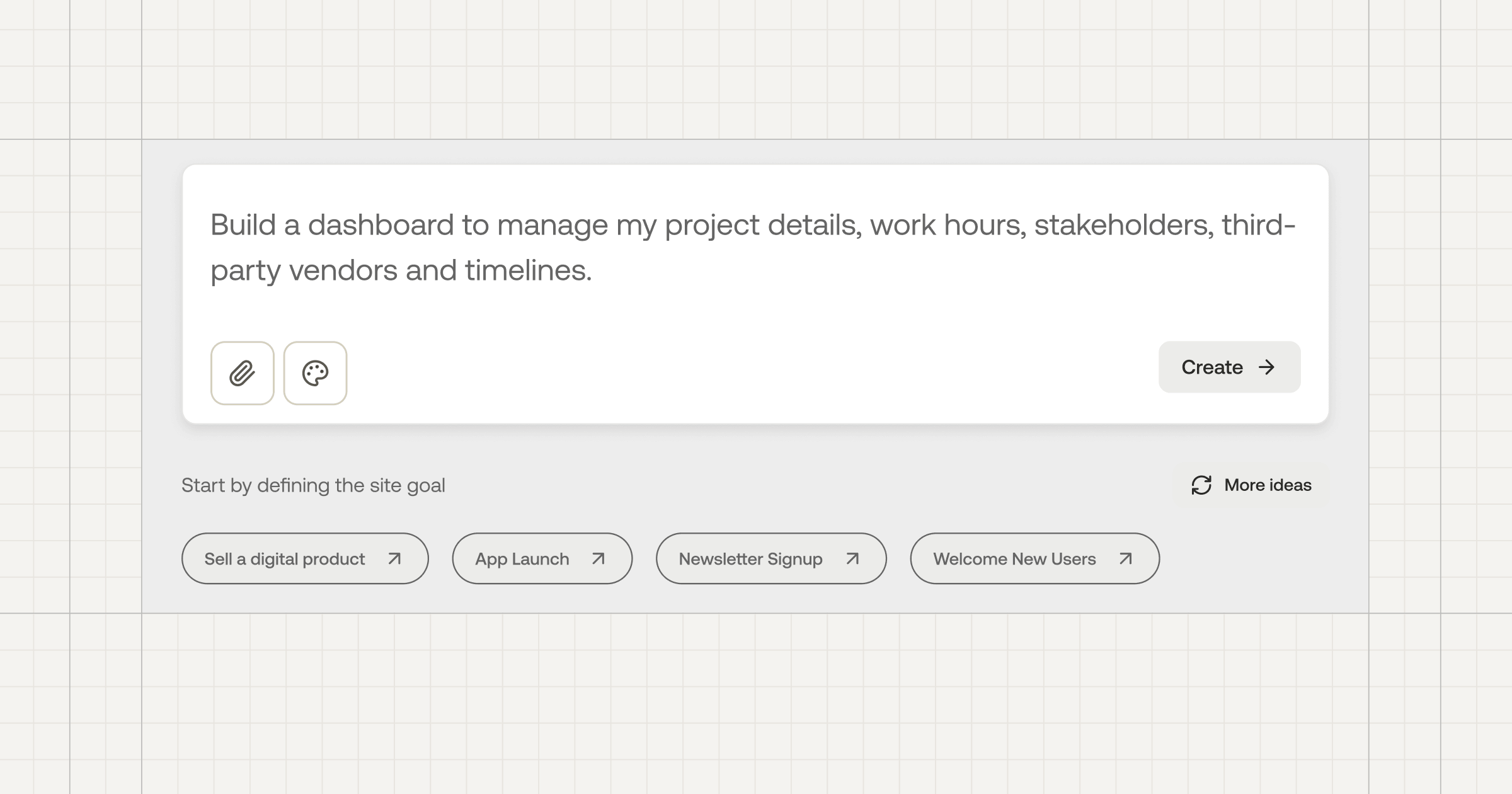
Sticklight is a vibe-coding platform for professional web creators. The flow is prompt, build, publish: you describe what you want and Sticklight generates real, production-ready output, then publishes it. That output can be a website, an app, a dashboard, a CMS, or an internal tool, a wider surface than Appsmith’s internal-tools focus. Sticklight is built by the Elementor team and powered by Claude, and it’s designed to work alongside WordPress and Elementor rather than replace them, so an existing WordPress or Elementor stack isn’t something you have to abandon to use it. AI agents are coming soon.
Appsmith vs Sticklight at a glance
| Dimension | Appsmith | Sticklight |
|---|---|---|
| What it is | Open-source low-code platform for internal applications | Vibe-coding platform that turns a prompt into production-ready output |
| Output | Admin panels, dashboards, CRUD interfaces | Websites, apps, dashboards, CMS, and internal tools |
| Backend / data | Connects to external databases and REST APIs; Git-based version control | Generates production-ready output as part of the prompt-to-publish flow |
| Publish / hosting | Self-hosted on Community edition, or hosted via Appsmith’s cloud tiers | Publish is built into the flow; works additively alongside WordPress and Elementor |
| Best for | Teams building internal tools connected to existing data | Professional creators who want a full-stack, published result from one prompt |
| Entry pricing | Free (Community, self-hosted) or $0/month for the cloud Free tier, up to 5 users | Additive to your WordPress/Elementor stack |
Pricing and access
Appsmith’s Community edition is open source and free to self-host. On its cloud offering, the Free tier runs $0 per month for up to 5 users, 5 workspaces, and 3 Git repositories. The Business tier is $15 per month per user, for up to 99 users, and adds unlimited workspaces and Git repositories along with email and chat support. The Enterprise tier starts at $2,500 per month for 100 users, with custom scaling beyond that baseline, SAML and OIDC single sign-on, SCIM provisioning, and 24/7 SLA-backed support. These figures come directly from Appsmith’s published pricing page.
Sticklight doesn’t publish dollar figures here. What matters for comparison is the model: Sticklight sits alongside your existing WordPress and Elementor investment rather than asking you to pay separately for a parallel internal-tools stack.
Which one fits your project
If the job is a data-connected internal panel, scoped tightly around your existing databases or REST APIs, and your team wants to self-host and version it with Git, Appsmith’s focus on that exact use case matches the job directly. If the job is broader than an internal panel, a website, app, dashboard, or CMS that needs to go from an idea to a published, production-ready result, and you want that work to sit alongside a WordPress or Elementor site rather than as a separate system, Sticklight’s prompt-to-publish approach is the more direct path. Some teams end up using both: Appsmith for internal, data-heavy tooling, and Sticklight for the client-facing or full-stack builds that need to reach production quickly.
I catch myself choosing words more carefully now, because I’ve learned that vague adjectives like nice or clean rarely get me anywhere close to what I meant.
Itamar Haim
Frequently asked questions
Should I use Appsmith or Sticklight for internal tools?
Appsmith is purpose-built for internal tools like admin panels and CRUD interfaces connected to your existing data sources. Sticklight can also produce internal tools, but its scope goes further, to websites, apps, dashboards, and CMS output published from a single prompt.
Does choosing between Appsmith and Sticklight come down to pricing?
No, not entirely. Pricing is one factor: Appsmith has published, verified tiers, from a free self-hosted Community edition up to a $2,500 per month Enterprise plan for 100 users. Sticklight’s value here is structural: it’s additive to a WordPress or Elementor stack you may already be paying for, rather than a separate system.
Can I use Appsmith and Sticklight together?
Yes. They serve different scopes, so many teams use Appsmith for internal, data-connected tooling and Sticklight for broader website, app, or CMS builds that need to be published. Neither tool requires giving up the other.
Does Sticklight replace WordPress or Elementor?
No. Sticklight is built by the Elementor team and designed to work additively alongside WordPress and Elementor, not replace them.
Built by the Elementor team. Powered by Claude.
Let it glow.
