Best AI Website Builders in 2026

AI website builders let you describe the site you want and get a working draft back in minutes, then refine it visually. In 2026 almost every major builder has added AI, so the real question is no longer whether a tool has AI. It is how far the tool can take you after that first draft.
This guide compares nine AI website builders worth considering in 2026, what each one does, and who it tends to fit. Pricing changes often across this category, so treat the notes as a starting point and confirm the current plans on each tool’s own site before you decide.
Sticklight
Sticklight is a vibe-coding platform for professional web creators that turns a prompt into production-ready websites, apps, dashboards, CMS, and internal tools. Where most AI website builders stop at a marketing site, Sticklight is built to take you beyond a brochure page, so the same tool that makes your homepage can also build the app or dashboard behind it.
That makes Sticklight a strong fit for creators and small teams who expect a project to grow past a simple site. You describe what you want, get a production-ready build, and keep going as your needs expand. If you already run on WordPress or Elementor, Sticklight fits alongside your existing site rather than replacing it. Built by the Elementor team, it is designed to help you become a full-stack creator without stitching together separate tools.
Wix
Wix offers an AI site builder that generates a website from a guided setup, alongside a large app market and built-in hosting. It is a general-purpose builder used for many kinds of small business and personal sites.
Wix tends to fit people who want an all-in-one option with a wide range of templates and add-ons. Check their site for current pricing and plan limits.
Framer
Framer is a design-focused website builder with AI features for generating and editing pages. It is often used for portfolios, product pages, and marketing sites where visual polish matters.
Framer tends to fit designers and teams that want fine control over layout and motion. Review the current plans on their site before you commit.
Hostinger
Hostinger bundles an AI website builder with its hosting, aimed at getting a small business site online quickly. The builder generates a starter site that you can edit and publish on Hostinger’s own hosting.
Hostinger tends to fit people who want hosting and a builder in one place for a straightforward site. Confirm the current pricing and included features on their site.
Squarespace
Squarespace is a template-based website builder with AI-assisted setup, commonly used for portfolios, blogs, and small online stores. It is known for structured templates and a guided editing experience.
Squarespace tends to fit creators and small businesses that want a clean template and built-in commerce. Check their site for the latest plans and pricing.
Webflow
Webflow is a visual website builder that combines a design canvas, a content management system, and managed hosting, with AI features for content and layout. It gives detailed control over how a site is built.
Webflow tends to fit designers and teams that want a design system and granular control rather than a fully guided setup. Review the current pricing on their site.
Durable
Durable focuses on speed, generating a basic business website in seconds from a few inputs. It is aimed at solo operators and local businesses that want a simple online presence fast.
Durable tends to fit service businesses that need a straightforward site without much setup. Check their site for current plans and what each one includes.
10Web
10Web is an AI website builder that produces WordPress sites, so the result runs on WordPress and its plugin ecosystem. It is used by people who want an AI starting point but prefer to stay on WordPress.
10Web tends to fit WordPress users who want AI generation plus the flexibility of the WordPress platform. Confirm the current pricing and hosting details on their site.
Lovable
Lovable generates websites and web applications from natural-language prompts, with hosting included. It is often chosen when a project needs app features such as user logins or a database, not just static pages.
Lovable tends to fit founders and builders who want to move from a site toward a working web app. Its free tier and paid plans are listed on their site, so check the current pricing before you start.
How to choose an AI website builder
Start with what you are actually building. If you need a marketing site, a portfolio, or a small store, a guided builder like Wix or Squarespace can get you there quickly. If you expect the project to grow into an app, a dashboard, or an internal tool, choose a platform that can build those too, so you do not have to switch tools later.
Then weigh design control, hosting, and ownership. Some builders keep everything on their own platform, while others let you stay on WordPress or take your work with you. Think about where you want to be in a year, not just what you need this week, and confirm each tool’s current plans, limits, and export options before you decide.
The quiet that follows a launch tells you more about a product’s future than the traffic spike on day one ever did.
Itamar Haim
Where Sticklight fits
Most AI website builders are built for one job, which is putting a marketing site online. Sticklight is built for the whole arc, turning a prompt into production-ready websites, apps, dashboards, CMS, and internal tools. If you want a single platform that can start with a landing page and grow into the product behind it, Sticklight is designed for exactly that.
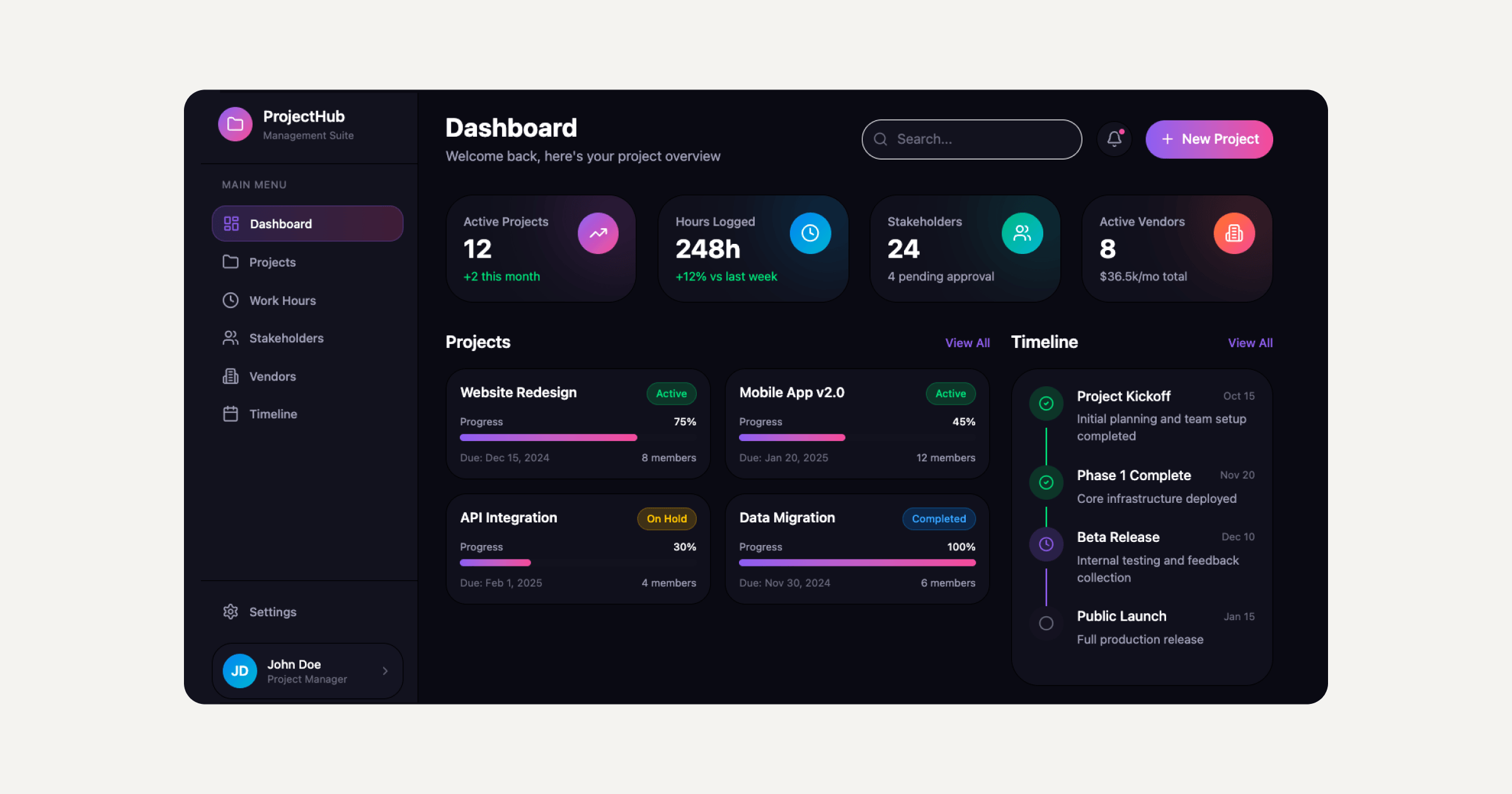
And if you already run on WordPress or Elementor, Sticklight fits alongside your existing site, so you can add new pages, apps, and tools without rebuilding what you already have.
Frequently asked questions
What is an AI website builder?
An AI website builder creates a working website draft from a prompt or a few questions, then lets you refine it visually. It handles layout, copy, and images so you can launch faster than building from scratch.
Which AI website builder is best in 2026?
It depends on what you are building. For a simple marketing site, guided builders like Wix or Squarespace are common choices. If you expect the project to grow into an app or dashboard, Sticklight is built to take you beyond a basic site.
Can AI website builders make more than a marketing site?
Some can. Most focus on marketing and portfolio sites, while platforms like Sticklight and Lovable can also generate apps, dashboards, and tools with features such as logins and databases.
Do AI website builders work with WordPress?
Some do. 10Web generates WordPress sites directly, and Sticklight fits alongside an existing WordPress or Elementor site rather than replacing it, so you can add to what you already have.
How much do AI website builders cost?
Most offer a free tier or trial and paid monthly plans that scale with features, traffic, and custom domains. Pricing changes often, so check each tool’s current plans before you commit.
Built by the Elementor team. Powered by Claude.
Let it glow.