
The Best Airtable Alternatives for 2026

If you’re comparing airtable alternatives, four names come up most often: Baserow, NocoDB, SeaTable, and Rows, each taking a different approach to spreadsheet-style databases and the lightweight apps you can build on top of them. Which one suits you depends on how much control you want over hosting, how your team already works day to day, and whether you want a spreadsheet feel or something closer to a full relational database with more structure underneath.
Airtable popularized the idea of a database that looks and feels like a spreadsheet, and plenty of teams still rely on it every day to run projects, track content, and organize records. But as needs grow around cost, self-hosting, or specific workflow features, more people start comparing what else is out there. This article covers what Airtable does, what to weigh before switching, and how four established options differ, plus where a tool like Sticklight fits into the picture.
What Airtable is
Airtable is a cloud-based platform that combines a spreadsheet interface with database features like linked records, custom views, filters, and automations. Teams use it to track projects, manage content calendars, organize inventory, or build simple internal tools without writing any code. It has become one of the most recognized no-code database products on the market, which is exactly why so many teams reach for it first before exploring anything else.
What to look for in an airtable alternative
Before picking an airtable alternative, weigh a few practical factors: record limits, API access, how deep the automation options go, and how permissions and views work across a growing team. Self-hosting matters if you need control over where your data physically lives, while cloud-only tools trade that control for simpler, faster setup. Import and export options also matter, since migrating existing bases smoothly saves real time and avoids painful rework later.
Also consider how each tool handles relationships between tables, since that is where spreadsheet-style products often start to strain under real complexity. If you plan to build apps or dashboards on top of your data, check what interface layer is included versus what you would need to add separately. Pricing structures vary widely across providers, so always confirm current plans directly on each tool’s own site before you commit.
Baserow
Baserow is an open source database tool built around a familiar grid interface, with support for custom views, filters, and a REST API for connecting external tools and scripts. It is often chosen by teams who want the option to self-host or who prefer working with an open codebase they can inspect, extend, or audit. Check Baserow’s own site for current plans and hosting options.
NocoDB
NocoDB is an open source tool that turns existing databases into spreadsheet-style interfaces, making it a common pick for teams who already store data in MySQL, PostgreSQL, or similar systems. It layers views, forms, automations, and a friendly front end on top of that underlying database rather than replacing it outright. Pricing and hosting details are best confirmed directly on NocoDB’s own site.
SeaTable
SeaTable is a database and collaboration tool known for its spreadsheet-style grid combined with plugins for galleries, Kanban boards, and Gantt charts. It offers both cloud and self-hosted deployment options, which appeals to teams with specific data residency, compliance, or infrastructure needs. As with any tool on this list, check SeaTable’s site directly for up to date pricing before deciding.
Rows
Rows is a spreadsheet-first tool that adds database-like features, including live data connections, integrations with external APIs, and simple interfaces built directly on top of a spreadsheet. It tends to suit teams who think in spreadsheet terms first and want to layer in automation and app-like views gradually over time. Current pricing is available on Rows’ own site.
Documentation written under deadline pressure is usually the only documentation that ever gets written, so it helps to make peace with that instead of waiting for a better moment.
Itamar Haim
Where Sticklight fits
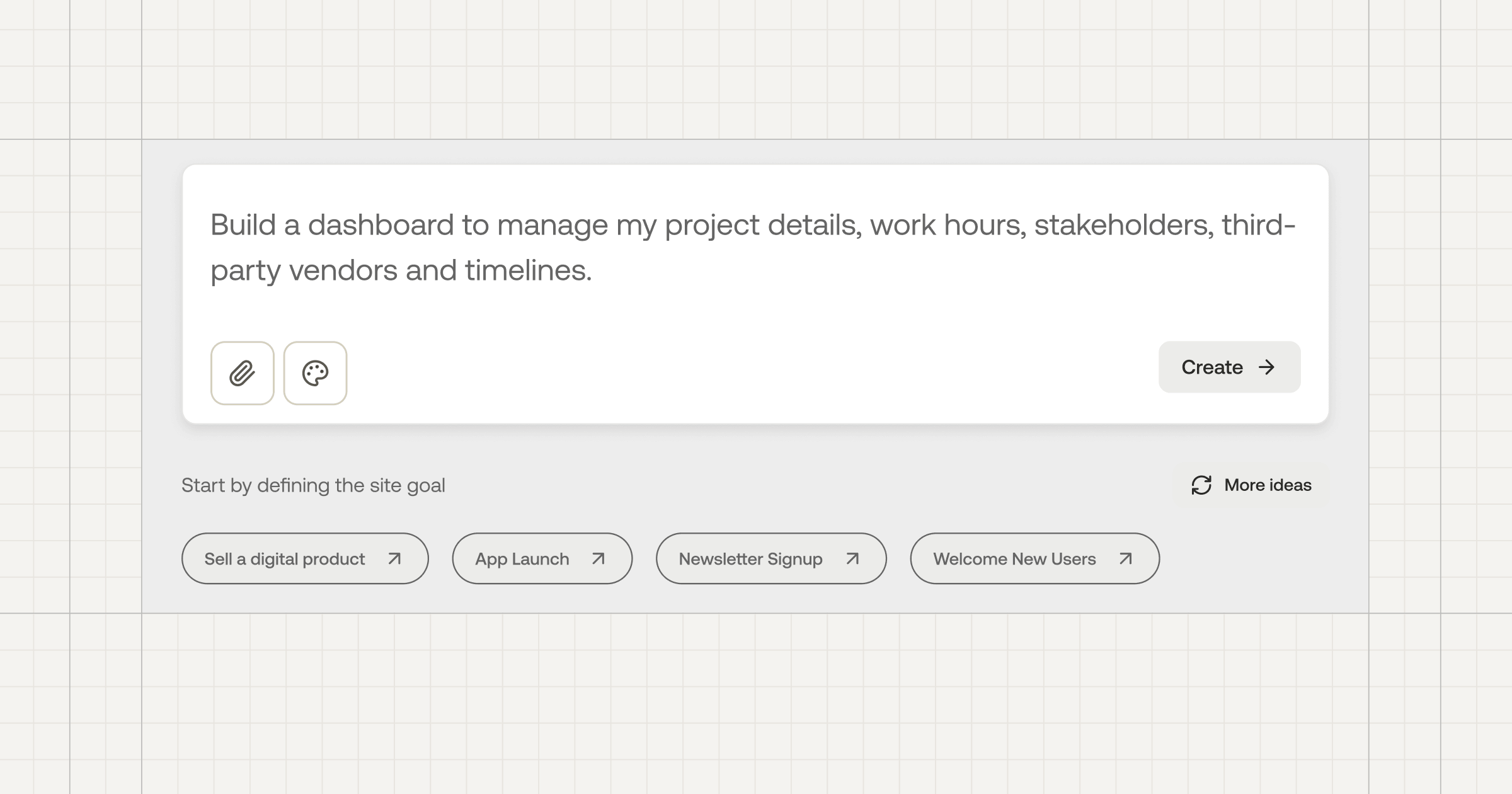
Sticklight fits alongside this whole category rather than competing directly with any one of these tools. Instead of picking a template and configuring fields one by one, you describe what you want, a database, a dashboard, a CMS, or a small internal app, and Sticklight turns that prompt into a working, production-ready website or tool. It’s built for people who want to move from idea to a real, usable product without waiting on a dev team, helping you become a full-stack creator even if you have never written a line of code.
If you already run a WordPress or Elementor site, Sticklight isn’t asking you to leave it behind. It slots in alongside what you’ve already built, so you can spin up a new data-driven app or internal tool without disrupting the site you rely on every day. It’s a natural next step when a spreadsheet or database alternative isn’t quite enough on its own and you need something shaped specifically around your exact workflow.
Frequently asked questions
What is Airtable?
Airtable is a platform that blends a spreadsheet with a database, letting you organize information in flexible tables and build simple apps and workflows on top of your data.
Why look for an Airtable alternative?
Teams look for alternatives when they want different pricing, an open-source or self-hosted option, higher record limits, or a workflow that fits their data better. Check each tool’s site for current pricing.
What should I look for in an Airtable alternative?
Consider your data size, whether you need self-hosting, integrations, collaboration, automation, and how well the tool turns your data into usable apps and views.
Are there open-source Airtable alternatives?
Yes. Several database and spreadsheet-app tools are open source and can be self-hosted, which some teams prefer for control and data privacy. Review each project’s features and licensing.
Can I move my data off Airtable?
Usually yes. You can often export your tables, though views, automations, and app logic typically need to be rebuilt, so plan a migration rather than a one-click switch.
Built by the Elementor team. Powered by Claude.
Let it glow.
