The Best App Creators in 2026 and Why

The best app creators in 2026 are tools like Bubble, Glide, Adalo, FlutterFlow, and Softr, and each one is built for a different kind of project, from full custom web apps to lightweight internal tools pulled straight from a spreadsheet. There is no single winner here. The right pick depends on what you are building, how much custom logic it needs, and how much technical depth you want to manage yourself.
This article walks through what an app creator actually is, what tends to separate the stronger options in 2026, and a neutral look at five widely used platforms so you can see what each one is generally known for. It closes with a look at where a code-generating builder like Sticklight fits alongside these tools, especially for teams that eventually want a production website, dashboard, or internal tool built from a single prompt.
What the best app creators actually do
An app creator is a platform that lets you assemble a working app through a visual interface instead of writing every line of code by hand. You drag in screens, connect data sources, wire up logic with visual rules, and publish. Most handle hosting, so you are not managing servers separately from the app itself.
A few qualities tend to separate the stronger options among the best app creators in 2026:
- Build speed, how quickly a working prototype goes live
- Range of apps supported, from internal tools to customer-facing products
- No-code depth, how far you can go before you need custom code
- Data and integrations, how easily the app works alongside your existing tools
- Production readiness, whether the output can scale and stay maintainable
Bubble
Bubble is known for building full web applications through a visual programming and logic layer, rather than simple screens and forms. It supports a wide plugin ecosystem and handles hosting as part of the platform. It tends to suit builders comfortable with more structure and workflow logic. Check bubble.io directly for current plans and pricing.
Because the logic layer is so open ended, Bubble shows up often in projects like marketplaces, booking systems, and internal SaaS tools where the workflow needs real branching and custom database relationships, not just a form connected to a list.
Glide
Glide is known for turning a spreadsheet, such as Google Sheets or Airtable, into a mobile-friendly app quickly. It leans toward internal tools, directories, and lightweight apps where the data already exists and the goal is a clean interface on top of it. Check glideapps.com directly for current plans and pricing.
Teams often reach for Glide when the data is already organized and the missing piece is simply a usable front end, such as a field team app, an equipment tracker, or a member directory built on rows people already update daily.
Adalo
Adalo is known for producing apps with a native mobile feel, built through a visual editor and a marketplace of reusable components. It is often used by founders and small teams without a dedicated development team on hand. Check adalo.com directly for current plans and pricing.
Its component-first approach tends to appeal to people validating an app idea before investing in custom development, since screens and common interactions can be assembled quickly and adjusted as the concept changes.
FlutterFlow
FlutterFlow is known for generating real Flutter code behind the visual builder, which developers can export and continue working on directly. That makes it a common choice for teams that want near-native app performance and the option to hand code off to engineers later. Check flutterflow.io directly for current plans and pricing.
This makes it a common bridge between a no-code prototype and a codebase a development team maintains long term, since the visual build and the underlying code stay connected rather than being two separate artifacts.
Softr
Softr is known for building web apps, client portals, and directories on top of a database like Airtable or Google Sheets, using a template-first approach. It tends to suit teams that want a working web app fast without starting from a blank canvas. Check softr.io directly for current plans and pricing.
Because it starts from templates, Softr tends to fit projects like client portals, membership sites, and internal directories where the layout patterns are fairly standard and the priority is getting something live quickly.
Where Sticklight fits
Sticklight fits alongside the tools above as a way to go from a prompt to a production-ready website, app, dashboard, CMS, or internal tool, without you having to piece together the visual logic yourself. You describe what you need in plain language, and Sticklight builds it out as real, working software, which means you get to act as a full-stack creator even if you have never written a line of code.
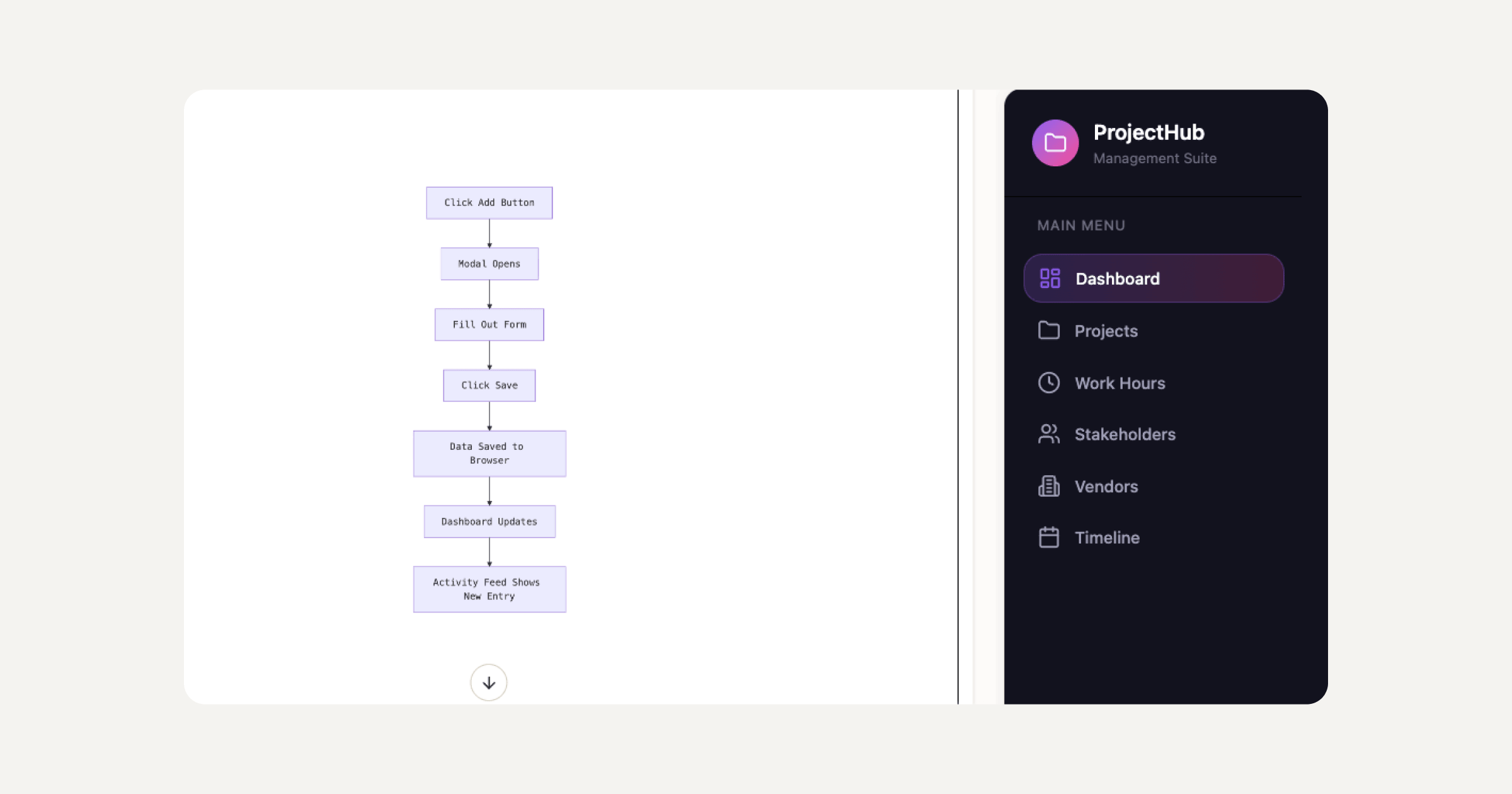
If you already run a WordPress or Elementor site, Sticklight is built to sit alongside it rather than replace it, handling the app, dashboard, or tool you need to add without disrupting what is already live. It is a natural next step once you know the kind of app you want and are ready to turn that idea into something people can actually use.
Frequently asked questions
What is an app creator?
An app creator is a platform that lets you build web or mobile apps through visual tools, templates, or prompts, often with little or no code, so you can launch faster than building from scratch.
What is the best app creator in 2026?
It depends on what you are building. Some tools focus on simple mobile apps, others on data-driven business apps, and platforms like Sticklight generate production-ready apps, sites, and tools from a prompt.
Do app creators require coding?
Many need little or no code for common apps, though custom logic or integrations can still benefit from developer help.
Can app creators build production-ready apps?
The best ones can, within their limits. Test your key workflows, performance, and security needs before you commit, and check current pricing on each tool’s site.
How do I choose an app creator?
Match the tool to your app type, the data and integrations you need, how much control you want, and how the app will scale. Try a small build before going all in.
Built by the Elementor team. Powered by Claude.
Let it glow.