

The Best Bubble Alternatives for 2026

If you’re searching for bubble alternatives, you’re likely looking for a no-code platform that can turn an idea into a working web or mobile app without writing traditional code. Well-known options include Adalo, Glide, Softr, and FlutterFlow, and each one leans into a different strength, from native mobile apps to spreadsheet-powered internal tools, so the best fit depends on what you’re actually building.
Bubble is often described as one of the more flexible no-code app builders on the market, though that flexibility comes with a real learning curve, and not every project needs everything Bubble offers. This article covers what Bubble actually is, what to look for before picking any no-code app builder, and how four established Bubble alternatives compare by focus and use case.
What Bubble is
Bubble is a visual, no-code platform built for creating web applications. Instead of writing code line by line, you design screens, define a database, and wire up logic through workflows in a visual editor. It’s commonly used for internal tools, marketplaces, and workflow-heavy SaaS products, where the behind-the-scenes logic matters just as much as the interface itself. Because plans and limits change over time, check Bubble’s own site for current pricing rather than relying on older figures.
What to look for in a no-code app builder
Not every no-code tool solves the same problem, so it helps to start with your actual use case rather than a feature list. Ask whether you need a native mobile app, a browser-based web app, or a client-facing portal, and be honest about how comfortable your team is with a visual, logic-heavy editor versus a simpler drag-and-drop layout.
- Whether the tool is built for web, mobile, or both
- How it connects to your data, spreadsheets, or an existing database
- How steep the learning curve is for your team
- How easy it is to export, extend, or move your work later
Pricing structures vary widely between tools and change often, so treat any number you find online as a starting point and confirm current plans on each vendor’s own site before deciding. Beyond price, the right pick usually comes down to matching the tool’s focus, mobile-first, data-driven, or client-portal, to what you’re actually trying to ship.
Adalo
Adalo is known for building native mobile apps through a drag-and-drop interface, without writing code. It leans on a component marketplace, so you can drop in pre-built pieces like calendars, chat, lists, or payment flows rather than building each one from scratch. Teams focused on shipping a straightforward mobile app, rather than a complex multi-workflow web platform, often gravitate toward Adalo first. As with any tool on this list, check Adalo’s own site for current pricing before you commit.
Glide
Glide is known for turning existing data, spreadsheets, Google Sheets, or its own Glide Tables, into working apps quickly. It’s a popular choice for internal tools, directories, and lightweight business apps where the underlying data already exists and the real goal is a clean, usable interface layered on top of it. Because Glide’s plans and limits can change, it’s worth confirming current pricing and features directly on its website rather than assuming.
Softr
Softr is known for building web apps, client portals, and directories from data sources like Airtable and Google Sheets, without requiring code. It tends to lean toward business-facing tools, member portals, internal dashboards, and marketplaces, more than consumer-facing mobile apps. Softr publishes its own pricing and plan tiers, and since these details shift over time, checking its site directly is the most reliable way to know current costs.
FlutterFlow
FlutterFlow is known for building native mobile apps on top of Google’s Flutter framework, and it exports real Flutter code that you or a developer can keep working in. That makes it a common pick for teams that want a no-code starting point but expect a developer to take over or extend the project later. Pricing and plan details are set by FlutterFlow directly, so check its own site for the current numbers.
Growth has a way of exposing exactly the thing you were quietly hoping nobody would ever notice, usually right when you have the least time to fix it.
Itamar Haim
Where Sticklight fits
Sticklight starts from a different place: you describe what you want to build in a prompt, and it turns that into a production-ready website, app, dashboard, CMS, or tool. Instead of assembling screens, database fields, and logic piece by piece inside a visual editor, you get a working build you can keep shaping and refining, which makes it a natural way to move from idea to full-stack creator without first learning a no-code builder from scratch.
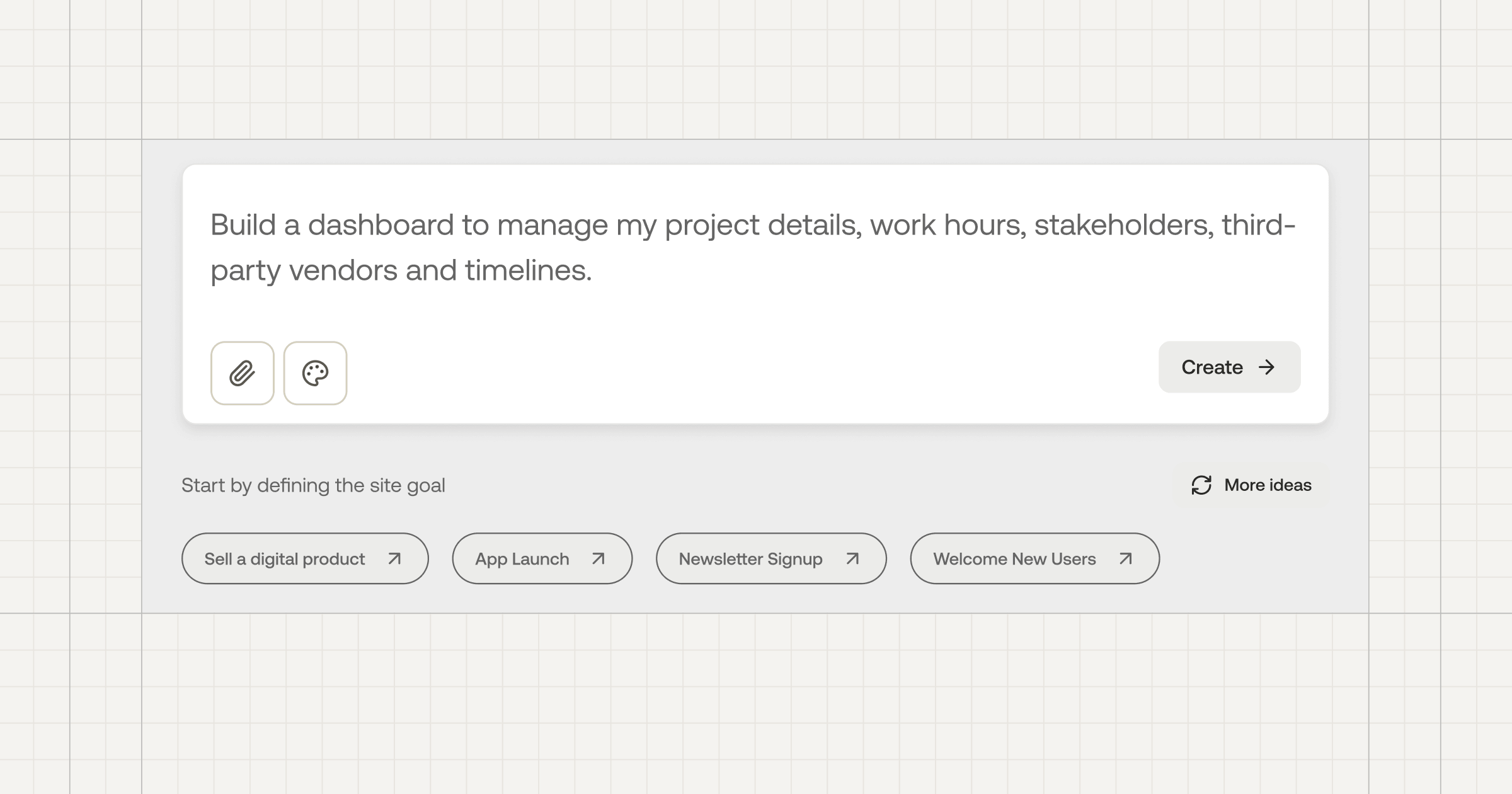
Sticklight is also built to sit alongside the tools you already use rather than replace them. If your business runs on a WordPress or Elementor site, Sticklight doesn’t ask you to tear that down, it adds the app, dashboard, or internal tool you need next, built from a prompt and ready to grow as your needs do.
Frequently asked questions
What is Bubble?
Bubble is a no-code platform for building web apps visually, letting you design interfaces, define workflows, and connect a database without writing code.
Why look for a Bubble alternative?
Teams look for alternatives when they want different pricing, a gentler learning curve, mobile-first building, or a workflow that fits their app type better. Check each tool’s site for current pricing.
What should I look for in a Bubble alternative?
Consider the type of app you are building, the learning curve, data and integrations, hosting, how it scales, and whether it targets web, mobile, or both.
Are there free Bubble alternatives?
Several no-code tools offer free or entry tiers with limits. Review the features and any usage or branding limits on each plan on the tool’s own site.
Can I move my app off Bubble?
Usually with some rework. Data can often be exported, but app screens and logic typically need to be rebuilt, so plan a migration rather than a one-click switch.
Built by the Elementor team. Powered by Claude.
Let it glow.
