

The Best Calendly Alternatives for 2026

Calendly popularized the online booking page, but it isn’t the only tool for letting people put time on your calendar without an email back and forth. Depending on how you work, whether you’re a developer, a consultant, or a service business, a different scheduling tool might fit your workflow better. Below are four established alternatives, what kind of tool each one is, and what it’s generally used for.
This list sticks to the facts: category, core use case, and how each tool approaches booking. None of these tools is presented as better than another here, since the right fit depends on your team size, technical comfort, and the kind of appointments you’re managing.
Cal.com
Cal.com is an open-source scheduling platform built for developers and teams who want to embed booking flows directly into their own products or websites. It’s available as a hosted service and as a self-hosted deployment, and it exposes an API and webhooks for connecting booking events to other systems. Teams use it for round-robin routing among sales or support reps, collective availability across multiple calendars, and booking pages that match a company’s existing branding. Check their site for current pricing on hosted plans and self-hosted licensing.
SavvyCal
SavvyCal is a scheduling tool built around letting the person booking time see their own calendar overlaid on the host’s availability, rather than picking from a plain grid of open slots. It’s generally used by individuals and small teams who send booking links inside emails or messages and want the recipient to pick a time without leaving the page. It supports personal links, team round-robin links, and preferences like ranking certain time slots above others. Check their site for current pricing.
YouCanBook.me
YouCanBook.me is a browser-based booking page tool that connects to Google Calendar or Office 365 and turns your existing availability into a public booking link. It’s commonly used by solo professionals, small teams, and support desks that need a way to let clients pick a meeting time without exchanging emails. Booking pages can be customized with intake questions, time zone detection, and rules like buffer time between meetings or a daily booking cap. Check their site for current pricing.
Acuity Scheduling
Acuity Scheduling is appointment-booking software owned by Squarespace, generally used by service-based businesses such as coaches, salons, tutors, and consultants who need clients to book, pay for, and manage appointments in one place. It supports intake forms, package and membership sales, and calendar sync across multiple staff members. Because it’s part of the Squarespace family, it also integrates directly with Squarespace websites. Check their site for current pricing.
What to weigh before switching
Each of these tools solves the same basic problem, letting someone book time without a scheduling email thread, but they differ in how they handle team availability, calendar overlays, website embedding, and client-facing extras like payments or intake forms. If you build software or need scheduling embedded into a product, API access and self-hosting options matter more than a hosted booking page alone. If you run a client-facing service business, payment processing and intake forms may matter more than developer tooling. Testing a free trial with your actual calendar and a real booking scenario is the most reliable way to tell which one fits your workflow.
- Team scheduling and round-robin routing
- Calendar overlay or availability preview for the person booking
- Website or product embedding through an API
- Client intake forms and payment collection
Where Sticklight fits
If you’re comparing scheduling tools because you’re building a site or client portal that needs booking built in, that’s the kind of project Sticklight is designed for. Sticklight is a vibe-coding platform for professional web creators: you describe what you want in a prompt, and it turns that into a production-ready website, app, dashboard, CMS, or tool, not just a single page with a form on it.
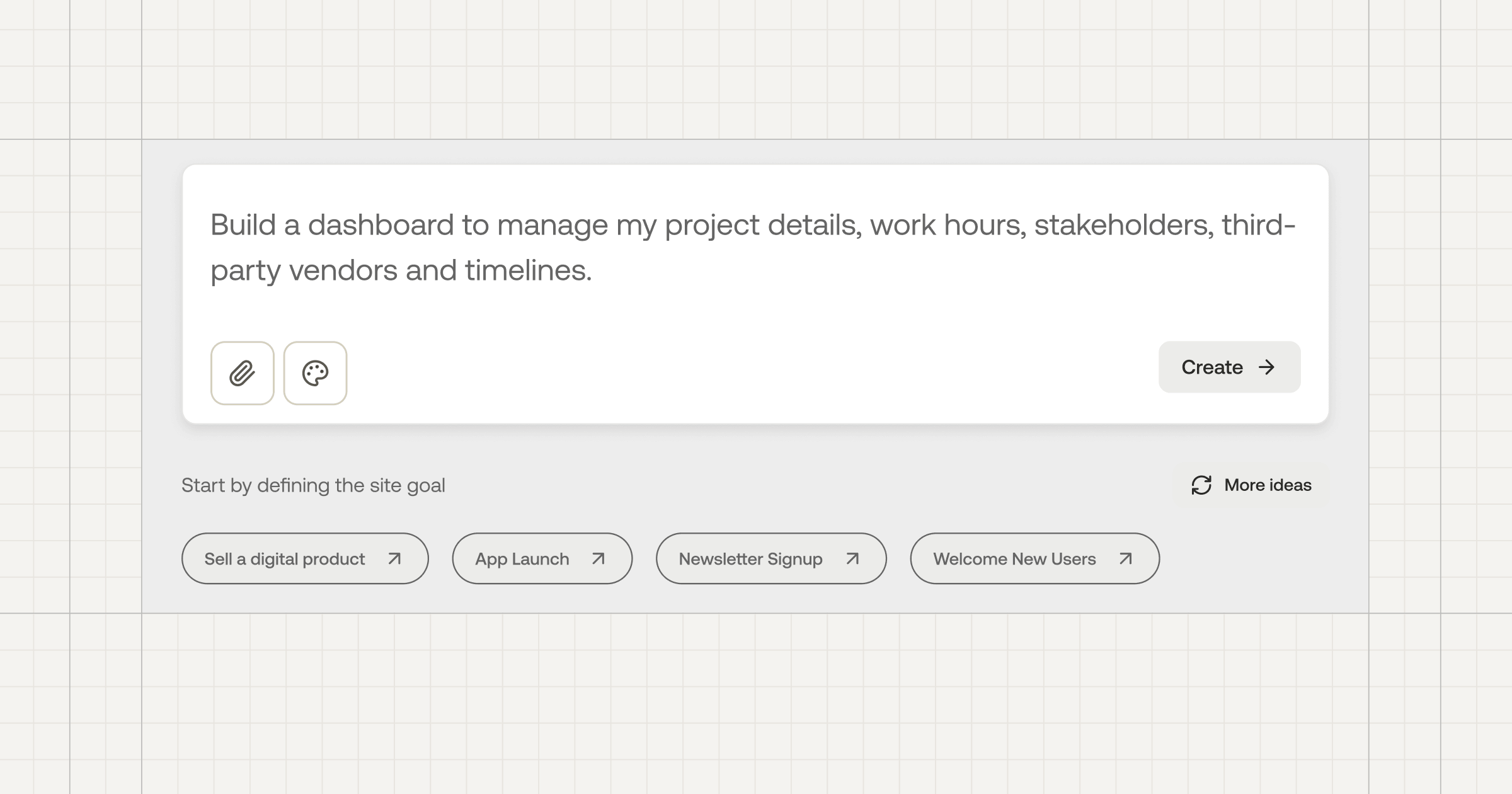
That means instead of adding a third-party booking widget to a static page, you can prompt for a scheduling flow with your own logic for availability, confirmations, and client records, built as part of a larger site or app. Sticklight extends what you can already do with WordPress and Elementor, giving you a way to add custom, code-level functionality without writing every line by hand, and to go further into full-stack territory when a project calls for more than a page.
Frequently asked questions
What should I look for when comparing Calendly alternatives?
Focus on how a tool handles team availability, calendar integrations, and any extras you need such as payments or intake forms, since these vary more between tools than the basic idea of a booking link.
Can I switch from Calendly without losing my existing bookings?
Most scheduling tools let you reconnect your calendar and rebuild booking pages from scratch, but existing Calendly links and confirmations generally do not carry over automatically, so plan a short overlap period while you switch.
Do these alternatives support team scheduling, not just one person’s calendar?
Cal.com, SavvyCal, YouCanBook.me, and Acuity Scheduling all offer some form of team or round-robin scheduling, though the depth of routing rules and multi-calendar support differs by tool, so check their site for current pricing and plan details before choosing one.
Is an open source scheduling tool a good fit for someone who isn’t a developer?
Cal.com offers a hosted version that works without any setup, so someone who isn’t a developer can use the same interface as a typical booking tool, while developers keep the option to self-host or customize it later.
How do I add scheduling directly into a website or app I’m building, instead of linking to a separate booking page?
Some scheduling tools offer embeddable widgets or developer APIs for this, so if you want booking logic built directly into a custom site, app, or dashboard rather than added as a separate page, look for a tool with API access or self-hosting support.
Built by the Elementor team. Powered by Claude.
Let it glow.
