The Best Contentful Alternatives for 2026

Contentful is a headless content management system that stores content as structured data and delivers it through an API to any front end, including websites, mobile apps, kiosks, and other digital products. Rather than combining content and presentation the way a traditional CMS does, it separates the two, so a team can manage content in one place and publish it across multiple channels using whatever framework they choose on the front end. Content is defined through custom content models, and editors work inside a web app that is decoupled from the actual rendering layer.
Teams look at other headless CMS options for a mix of reasons: hosting preference, self-hosted versus managed infrastructure, the query language or API style a development team already knows, editorial workflow needs, localization requirements, and how well a platform’s content model fits an existing product. Cost structure and contract terms also factor in for larger organizations. The comparison usually comes down to which platform’s trade-offs match the team’s technical setup, budget process, and content complexity, rather than any single feature standing out on its own.
Strapi
Strapi is an open source headless CMS built on Node.js that teams can self-host or run through a managed cloud offering. It gives developers direct access to the codebase and database, along with a plugin system for extending the admin panel, content types, and API, and it exposes both REST and GraphQL endpoints. Teams that want to own their infrastructure, or that need to customize the platform at the code level, commonly consider Strapi. Check their site for current pricing.
Sanity
Sanity is a headless CMS built around a hosted content repository and a customizable, React-based editing interface called Sanity Studio. Content is queried using GROQ, a query language built specifically for the platform, and the editor can be extended with custom input components, plugins, and real-time collaboration features. Teams that want a highly configurable authoring experience, or that plan to build custom content workflows, often evaluate Sanity. Check their site for current pricing.
Storyblok
Storyblok is a headless CMS with a visual editor that lets non-technical users edit content in a live preview alongside the underlying structured data. Content is organized into reusable components, and the platform exposes an API for pulling that content into any front end while keeping the component library in sync between design and code. Marketing teams and agencies that want editors to preview changes without reading raw markup commonly consider Storyblok. Check their site for current pricing.
Hygraph
Hygraph, formerly known as GraphCMS, is a headless CMS built around a native GraphQL API and a federated content approach that can combine data from multiple sources into a single schema. It supports content localization, role-based workflows, and content stages for managing draft and published versions out of the box. Teams building GraphQL-first applications, or teams that need to merge several data systems into one API, often look at Hygraph. Check their site for current pricing.
How to choose
The decision usually comes down to hosting preference, developer workflow, and how much editorial flexibility a team needs on a daily basis. Self-hosted platforms give more control over infrastructure and data, at the cost of owning updates, scaling, and security patches, while managed platforms shift that maintenance to the vendor in exchange for less low-level control. Query language, API style, localization needs, and compatibility with an existing front-end framework all factor into how much integration work a development team ultimately takes on.
It also helps to weigh team composition before narrowing the list. A platform with a highly visual editor tends to suit marketing-heavy teams that publish frequently and want to see changes before they go live, while an API-first platform built around a specific query language tends to suit engineering-heavy teams that already have a preferred stack and want tighter control over data shape. None of these platforms are interchangeable once a content model is built around one of them, so testing with a real project before committing is generally worth the time.
Where Sticklight fits
Sticklight approaches the underlying problem from a different angle. It is a vibe-coding platform built by the Elementor team that turns a prompt into a production-ready application, with content management and the back end already wired up rather than assembled from a headless CMS plus a separate front end, database, and hosting setup pieced together by a development team.
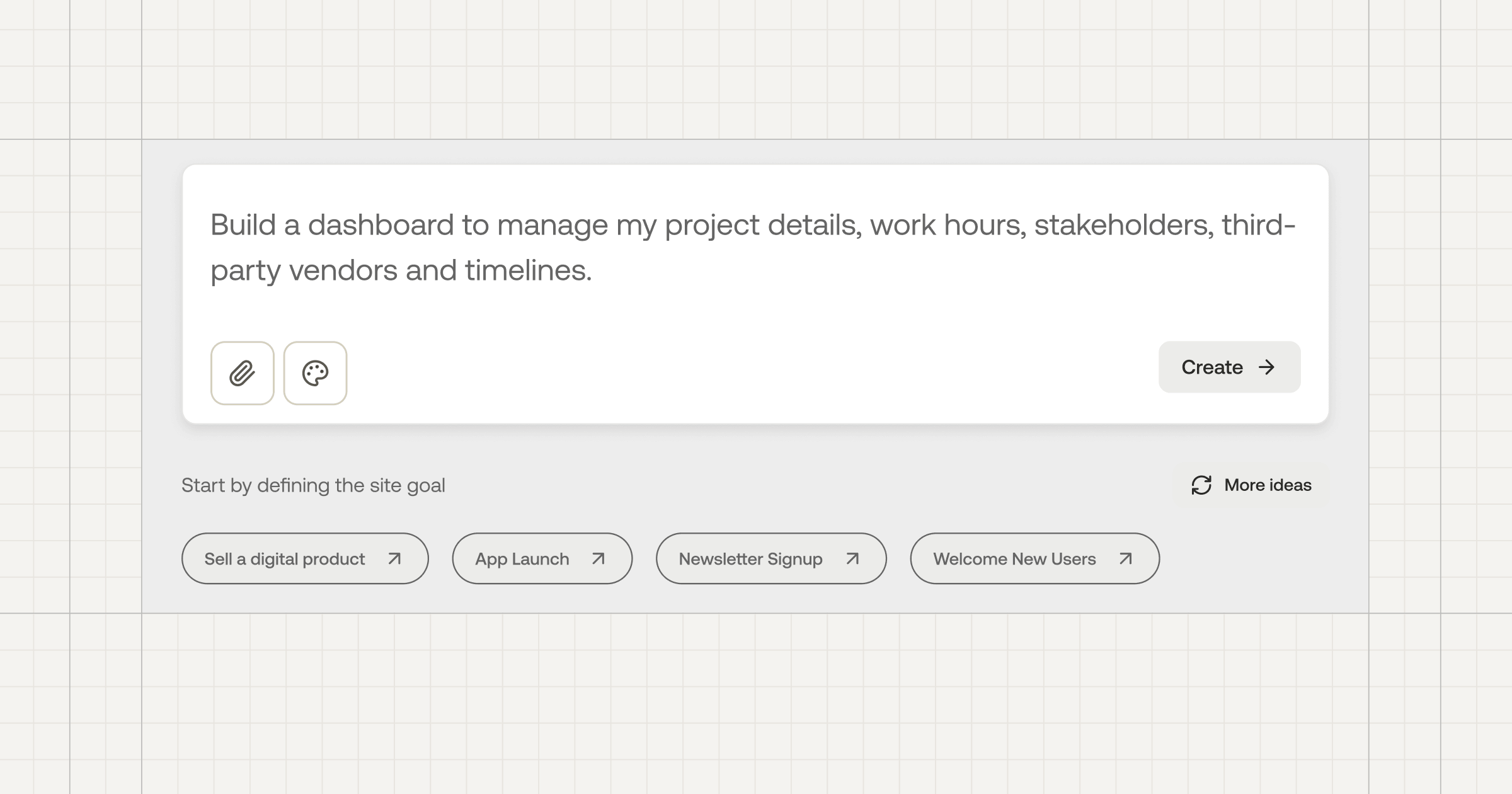
For teams comparing headless CMS platforms because what they actually need is a working application and not just a content layer, Sticklight sits alongside WordPress and Elementor as another path from an idea to something live, built on the same team’s long-standing approach to structured, editable content and page building.
Frequently asked questions
What is Contentful?
Contentful is a headless content management system that stores content and delivers it through APIs, so teams can reuse the same content across websites, apps, and other channels.
Why look for a Contentful alternative?
Teams look for alternatives when they want different pricing, an open-source option, a different editing experience, or a platform that fits their stack better. Check each tool’s site for current pricing.
What should I look for in a headless CMS?
Consider your content model, the editing experience, API options, hosting, how it fits your framework, and how well it scales as your content grows.
Are there open-source Contentful alternatives?
Yes. Some headless CMS platforms are open source and can be self-hosted, which some teams prefer for control and flexibility. Review each project’s features and licensing.
What is a headless CMS?
A headless CMS manages content separately from the front end and delivers it through APIs, so the same content can appear on websites, apps, and other devices.
Built by the Elementor team. Powered by Claude.
Let it glow.