
The Best DigitalOcean Alternatives for 2026

DigitalOcean built its reputation on simple, predictable cloud hosting for developers, but it isn’t the only provider offering virtual servers, managed databases, and app deployment tools. Depending on your project, whether it’s a personal side project, a growing SaaS product, or infrastructure for a client, a different provider might match your workflow more closely. Below are four established alternatives, what each one offers, and what kind of use case it’s typically built for.
This list stays factual: what each platform is, what it’s used for, and how it approaches infrastructure. None of these providers is presented as a replacement for DigitalOcean or for each other here, since the right fit depends on region needs, team size, and how much server management you want to handle yourself.
Linode
Linode, now operating as part of Akamai’s cloud computing division, is a cloud hosting provider offering virtual private servers known as Linodes, along with managed Kubernetes, block storage, object storage, and managed database options. It’s commonly used by developers and small-to-mid-size teams who want a control panel and VPS plans without navigating a larger hyperscale console. Data centers are spread across multiple regions worldwide, and the platform includes a marketplace of one-click application deployments. Check their site for current pricing.
Vultr
Vultr is a cloud infrastructure provider offering VPS instances, bare metal servers, managed Kubernetes, and object storage, with data centers spread across a large number of global locations. It’s often used by developers who need to deploy close to a specific audience, as well as teams running compute-heavy or GPU-based workloads. Billing is typically hourly, and the platform offers both standard cloud compute and high-frequency compute tiers. Check their site for current pricing.
Hetzner
Hetzner is a German cloud and dedicated server provider running data centers in Germany, Finland, and the United States, offering both cloud VPS instances and separate dedicated bare metal servers. It’s frequently used by developers and small businesses that manage their own server administration directly rather than relying on layers of managed services on top of the infrastructure. Its cloud and dedicated server lines are billed and provisioned separately, and it also offers managed load balancers and volumes for cloud instances. Check their site for current pricing.
Render
Render is a cloud platform for deploying web services, static sites, background workers, cron jobs, and managed databases directly from a connected Git repository, with automatic builds triggered on every push. It’s generally used by developers who prefer a platform-as-a-service workflow over manually provisioning and patching virtual machines themselves. The platform supports preview environments tied to pull requests and autoscaling for web services under load. Check their site for current pricing.
- Self-managed VPS versus platform-as-a-service deployment
- Data center regions and proximity to your users
- Dedicated bare metal options for consistent workloads
- GPU or high-performance compute availability
Where Sticklight fits
If you’re comparing cloud providers because you’re building an app, API, or backend service rather than a single marketing page, that’s the kind of project Sticklight is built for. Sticklight is a vibe-coding platform for professional web creators: you describe what you want in a prompt, and it turns that into a production-ready website, app, dashboard, CMS, or tool, not just static pages that still need a server to run on.
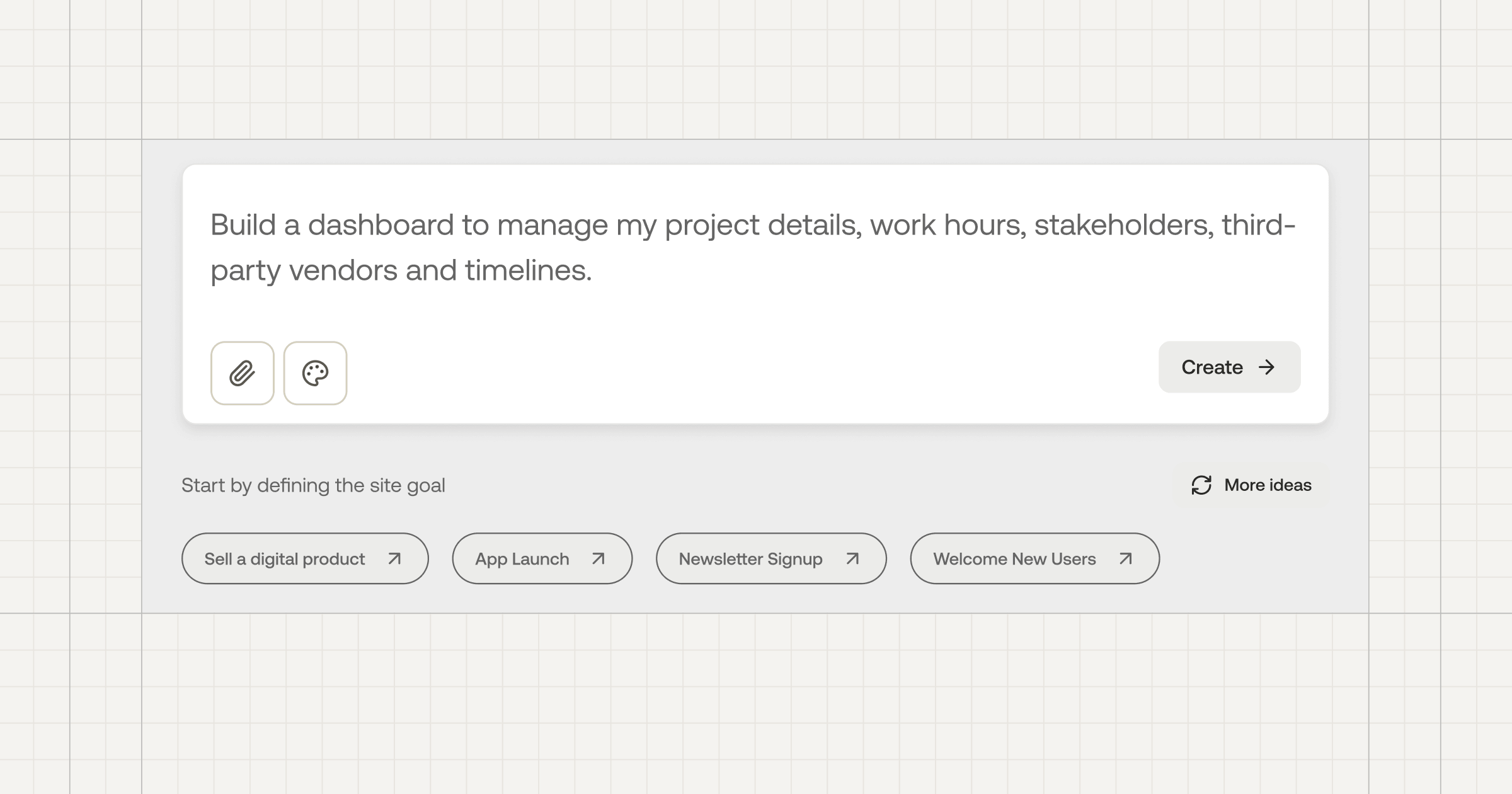
That means instead of choosing a virtual server and configuring the deployment pipeline by hand, you can prompt for the application logic, database structure, and admin tooling as part of one build. Sticklight extends what you can already do with WordPress and Elementor, giving you a path from a prompt to production-ready, infrastructure-backed software, without hand-coding every layer of the stack yourself.
Frequently asked questions
What is the main difference between Linode, Vultr, and Hetzner if they all offer VPS hosting?
Linode and Vultr both run cloud VPS instances across a large number of global regions, while Hetzner runs a smaller set of data centers in Germany, Finland, and the United States and also offers separate dedicated bare metal servers alongside its cloud line.
Is Render a direct replacement for a DigitalOcean droplet?
Not exactly. Render is a platform-as-a-service that builds and deploys your application from a Git repository, while a droplet is a virtual server you provision and manage yourself, so the two solve the same broad problem in different ways.
Do any of these alternatives require me to manage my own server updates and security patches?
Cloud VPS instances on Linode, Vultr, and Hetzner generally put patching and server administration in your hands, while Render abstracts the underlying server away and handles the runtime environment for you.
Can I run GPU or high-performance compute workloads on these platforms?
Vultr offers dedicated high-performance and GPU compute tiers alongside its standard cloud instances, so check their site for current pricing and availability if that is a requirement for your project.
How should I decide between a self-managed VPS and a managed platform like Render?
If you want control over the operating system, networking, and installed software, a self-managed VPS from a provider like Linode, Vultr, or Hetzner fits that need, while a managed platform like Render fits better if you would rather focus on application code and let the platform handle deployment and scaling.
Built by the Elementor team. Powered by Claude.
Let it glow.