
The Best Ghost Alternatives for 2026

Ghost is a publishing platform built for blogs, newsletters, and membership sites. It focuses on writing and publishing tools, subscriber management, and email delivery, and is commonly used by writers, publications, and creators who want a dedicated space for long-form content and paid subscriptions.
People compare publishing platforms for a range of reasons, including how they want to reach readers, whether they need a newsletter-first format or a full blog, how much design control they want over their site, and how each platform handles subscriptions and audience growth. Looking at a few options side by side can help clarify which setup fits a given project.
Substack
Substack is a newsletter platform that lets writers publish posts directly to subscriber inboxes and a web archive. It combines writing, email delivery, and payment collection for paid subscriptions in one system, and is generally known as a newsletter-first tool built around a simple publishing workflow.
Substack is widely used by independent journalists, essayists, and niche newsletter writers who want to build a direct subscriber relationship without managing separate website and email tools. Many writers use it as a primary publishing home, while others treat it as one channel alongside a personal site or other tools.
Medium
Medium is a publishing platform and online magazine where writers post articles that can be read by a broad member base or by anyone via free links. It combines individual writer profiles with publications, which are collections of articles curated around a topic or editorial theme, and it uses its own on-platform distribution.
Medium is generally used by essayists, technical writers, and hobbyist bloggers who want distribution through Medium’s existing reader base rather than building an audience from scratch on a standalone site. It also hosts many independent publications and writer collectives that publish under a shared banner rather than individual personal domains.
Beehiiv
Beehiiv is a newsletter platform built for growth-focused publishers, offering tools for email newsletters, subscriber segmentation, and audience analytics alongside a website builder for a newsletter’s public archive. It was built by a team with a background in newsletter growth systems and positions itself around scaling a newsletter operation.
Beehiiv tends to be used by newsletter operators, media businesses, and creators running paid subscription newsletters who want built-in referral and growth tooling alongside publishing features. It is often chosen by teams scaling a newsletter into a broader media property with multiple contributors and monetization channels.
Hashnode
Hashnode is a blogging platform built specifically for developers, offering a hosted blog with support for custom domains, technical formatting, code snippets, and integration with developer-focused workflows. It is generally known as a blogging tool for the software development community rather than a general-purpose publishing platform.
Hashnode is commonly used by software engineers, technical writers, and developer relations teams who want a blog tied to their personal or company brand within a developer-centric ecosystem. It is often paired with a documentation site or product changelog as part of a broader technical content presence.
How to choose
The right platform usually comes down to how content gets published and read. A newsletter-first workflow, where email is the primary channel and the website is secondary, points toward a different tool than a full blog meant to be read primarily on the web, indexed by search, and organized into categories or archives. Whether paid subscriptions are part of the plan also matters, since some platforms are built around subscriber payments and others treat that as a secondary feature. For pricing specifics on any of these platforms, check their site for current pricing.
Design control and growth tooling are also worth weighing. Some platforms offer more control over layout, theming, and site structure, while others prioritize a consistent reading experience across the platform at the cost of customization. Growth features such as referral programs, recommendations, and built-in discovery vary by platform as well, and the right fit often depends on whether growth is expected to come primarily from within the platform or from outside channels like search and social media.
Where Sticklight fits
Sticklight is a vibe-coding platform built by the Elementor team that turns a written prompt into a production-ready website or app. Rather than functioning as another publishing or newsletter tool, it sits alongside platforms like the ones above for people who want a custom site built from a description, including a publishing site with its own structure and design rather than a fixed template.
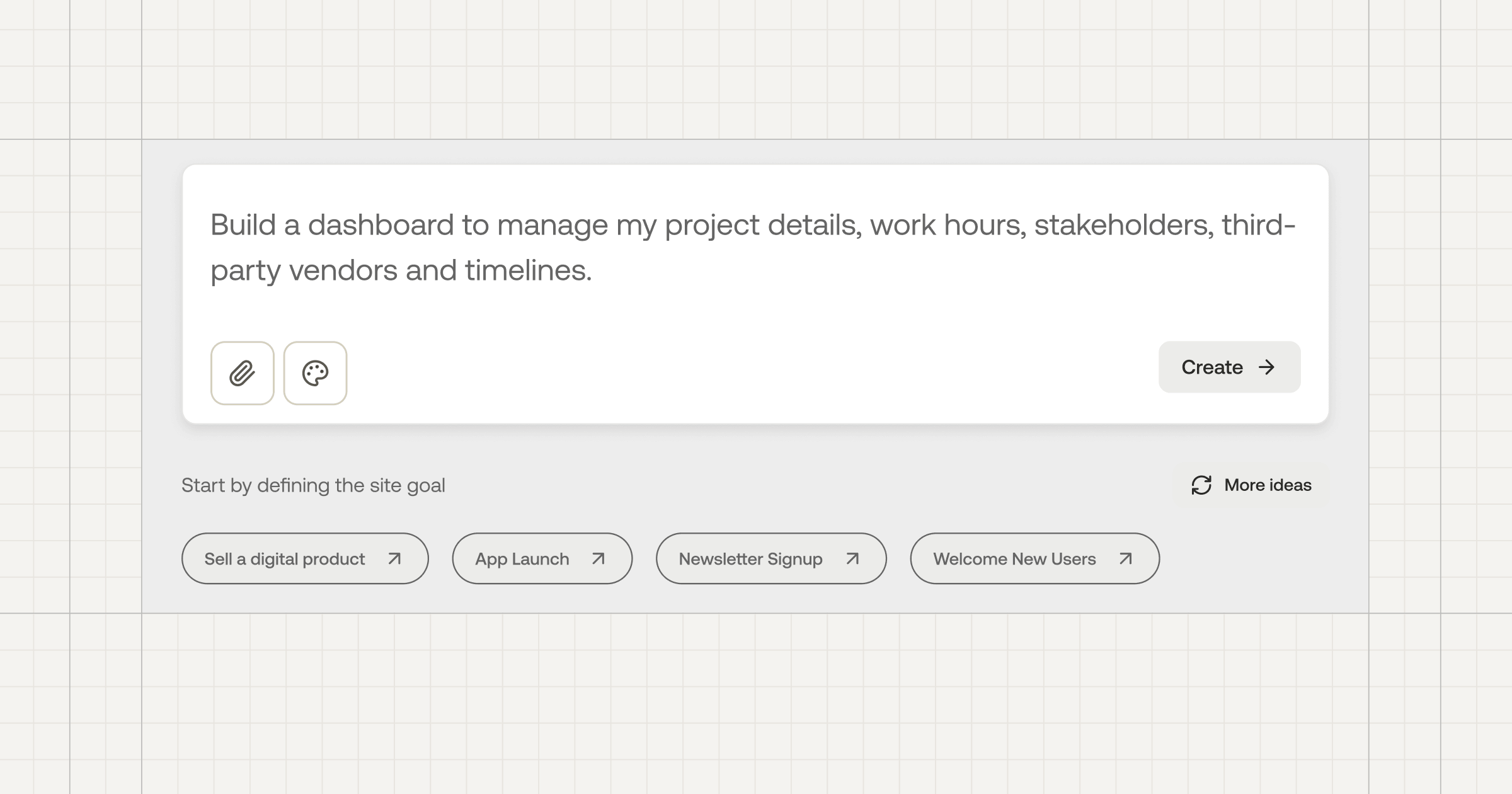
For someone who has outgrown a template-based setup or wants a publishing site shaped around a specific idea rather than a standard blog layout, Sticklight offers a way to describe that site and get a working version built from it. It can complement tools built on WordPress and Elementor, or stand on its own, depending on what a project needs.
Frequently asked questions
What is Ghost?
Ghost is a publishing platform focused on blogs, newsletters, and membership sites, giving writers a place to publish content and, in some cases, offer paid subscriptions.
Why look for a Ghost alternative?
People look for alternatives when they want different pricing, a specific feature set, an easier setup, or a workflow that fits their publishing goals better. Check each tool’s site for current pricing.
What should I look for in a Ghost alternative?
Consider how you publish, whether you need newsletters, paid subscriptions, or a full blog, plus ease of use, design control, audience tools, and how the platform handles growth.
Are there free Ghost alternatives?
Some publishing and newsletter tools offer free tiers with limits, such as branding or subscriber caps. Review what each free plan includes and check the site for current details.
Can I build my own publishing site instead of using Ghost?
Yes. Instead of adapting a hosted platform, some publishers build a custom site tailored to their exact needs, which modern tools make faster to do from a plain description.
Built by the Elementor team. Powered by Claude.
Let it glow.