

The Best Heroku Alternatives for 2026

Heroku alternatives get searched for a range of reasons. A team may be looking at deploy workflows, container support, regional availability, or database options that fit a current project more closely. Others are re-evaluating their platform after changes to free-tier availability, and want to compare how other providers handle scaling and pricing structure.
This guide looks at four commonly considered options: Render, Railway, Fly.io, and DigitalOcean App Platform. Each takes a different approach to deploying and running applications, so the right fit depends on what your project actually needs day to day.
Render
Render is a platform for deploying web services, static sites, background workers, and cron jobs from a connected Git repository. It is generally used by teams that want to push code and have a build, deploy, and TLS certificate handled automatically, without configuring the underlying infrastructure by hand. It includes managed Postgres and Redis instances, preview environments for pull requests, and autoscaling for web services. Check their site for current pricing.
Railway
Railway is a platform focused on deploying applications and provisioning databases directly from a GitHub repository or a starter template. It is generally used by individual developers and small teams that want to get a backend service and its database running with minimal setup and configuration. It includes one-click Postgres, MySQL, Redis, and MongoDB instances, environment variables per deployment, and a template marketplace for common stacks. Check their site for current pricing.
Fly.io
Fly.io runs applications as containers deployed close to users across multiple regions, using its own virtual machine model rather than a single centralized data center. It is generally used by teams that want direct control over where an app runs geographically, or that are already packaging their application as a Docker container. It includes private networking between deployed apps, persistent volumes for storage, and a global anycast network for routing traffic. Check their site for current pricing.
DigitalOcean App Platform
DigitalOcean App Platform is a deployment layer built on top of DigitalOcean’s broader cloud infrastructure, connecting to a Git repository or a container registry. It is generally used by teams already running other DigitalOcean services, such as droplets or managed databases, that want an app layer without moving to a separate provider. It includes managed database add-ons, autoscaling for components, and static site hosting alongside dynamic services. Check their site for current pricing.
What to consider when comparing options
Beyond the specific platform, a few factors tend to matter most when comparing Heroku alternatives for an active project.
- Whether the platform deploys from Git, a container registry, or both
- How database provisioning and backups are handled
- Which regions are available for hosting the app and its data
- How build and deploy times compare for your specific stack
- What happens to running services during scaling or maintenance windows
Where Sticklight fits
Sticklight is a vibe-coding platform for professional web creators, built by the Elementor team. Instead of configuring a deploy pipeline by hand, you describe what you want in a prompt, and Sticklight turns it into a production-ready website, app, dashboard, CMS, or tool. That can include an internal admin dashboard or a custom tool connected to a database, not just a marketing page.
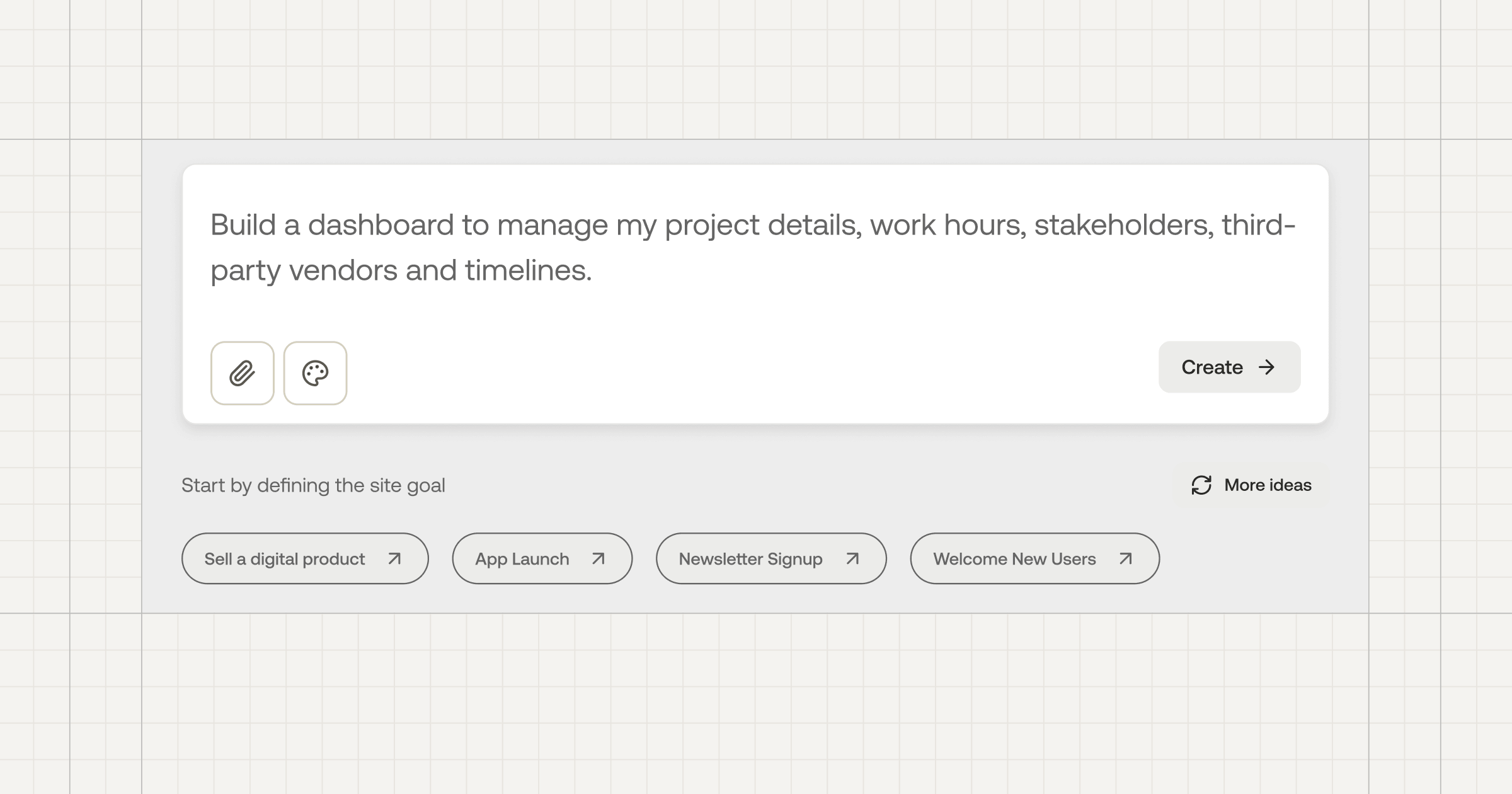
WordPress and Elementor stay part of the picture rather than something to move away from. Sticklight extends what a WordPress or Elementor site can already do, adding full-stack building on top of a foundation many teams already use, so an existing site and the new tools around it can grow together.
For a team evaluating Heroku alternatives alongside its broader web stack, Sticklight is worth knowing about as the layer that builds the surrounding tools and apps, not as a hosting platform itself.
Frequently asked questions
Why do teams look for Heroku alternatives?
Teams often look for a Heroku alternative after changes to free-tier availability, or when they want different deploy workflows, container support, or regional options for an existing project.
What is the difference between a PaaS and a plain cloud VM?
A platform-as-a-service handles builds, deploys, and scaling for you from a Git repository or container, while a plain virtual machine gives direct access to the server but leaves that configuration to the team managing it.
Can I move an existing app to a different hosting platform without rewriting it?
Most modern platforms support standard buildpacks or Docker containers, so an existing app can often move with configuration changes rather than a full rewrite, though the exact steps depend on the stack and the destination platform.
Do Heroku alternatives cost less?
Cost varies by provider and depends on factors like compute usage, database size, and which add-ons are included, so check each site for current pricing before comparing options.
Which Heroku alternative should a small team consider?
The right choice depends on whether the team needs Git-based deploys, container support, multi-region placement, or integration with infrastructure it already runs, since each platform emphasizes different strengths.
Built by the Elementor team. Powered by Claude.
Let it glow.
