
The Best Hotjar Alternatives for 2026

Hotjar is one of the most recognized names in visual analytics, combining heatmaps, session recordings, and on-site surveys in a single dashboard. It isn’t the only option in that category, and teams evaluating a change in 2026 have several established tools to compare, each with a different core focus and integration style.
This list covers four Hotjar alternatives on a strictly factual basis: what each tool is, what it’s generally used for, and how it approaches session and behavior tracking. None of these tools is presented as a better fit than another, since the right choice depends on your stack, your team size, and whether you need heatmaps, developer-level event tracking, or mobile app support.
Microsoft Clarity
Microsoft Clarity is a session recording and heatmap tool built by Microsoft, generally used by marketing and product teams who want click maps, scroll maps, and recorded sessions in a single dashboard. It integrates with Google Analytics and Microsoft Advertising, surfacing metrics like rage clicks and dead clicks alongside standard heatmap views. Setup involves adding a tracking snippet to a site, after which recordings and heatmaps populate in a web dashboard. Clarity is commonly chosen by teams already using Microsoft’s advertising or analytics tools, or by teams that want heatmap and replay data as a first step before considering a broader behavior-analytics suite. Check their site for current pricing.
Mouseflow
Mouseflow is a session replay and heatmap platform used by marketing, UX, and conversion-optimization teams to watch recorded visitor sessions and review click, scroll, and movement heatmaps by page. It includes funnel analysis for tracking where visitors drop off across a multi-step flow, along with form analytics that show which fields cause hesitation or abandonment. Mouseflow also offers feedback campaigns and a friction score meant to flag sessions with signs of user frustration, such as rapid clicking or erratic cursor movement. It’s generally positioned for teams focused specifically on conversion-rate optimization and form completion rather than broader product analytics. Check their site for current pricing.
FullStory
FullStory is a digital experience analytics platform built around session replay combined with structured event data, generally used by product and engineering teams at larger organizations. Instead of relying only on visual heatmaps, FullStory indexes sessions so teams can search for specific user behaviors, errors, or rage clicks across large volumes of traffic and connect them to specific accounts or user segments. It integrates with data warehouses and product analytics tools, and supports privacy controls for masking sensitive on-screen data. FullStory is commonly used in product-led organizations that want session replay tied into a broader data and analytics stack rather than a standalone heatmap tool. Check their site for current pricing.
Smartlook
Smartlook is a session recording and analytics tool that covers both websites and mobile apps, using native SDKs for iOS and Android alongside its web tracking script. It offers heatmaps, event tracking, and funnels similar to other tools in this category, along with automatic event capture that records user interactions without manual tagging for every action. Smartlook is generally used by teams that need behavior tracking across both a website and a companion mobile app in one dashboard, rather than tools that cover only web traffic. Check their site for current pricing.
Where Sticklight fits
If you’re comparing Hotjar alternatives because you’re building a product or client site that needs behavior tracking built in, rather than bolted on with a separate third-party script, that’s the kind of project Sticklight is designed for. Sticklight is a vibe-coding platform for professional web creators: you describe what you want in a plain-language prompt, and it turns that into a production-ready website, app, dashboard, CMS, or tool.
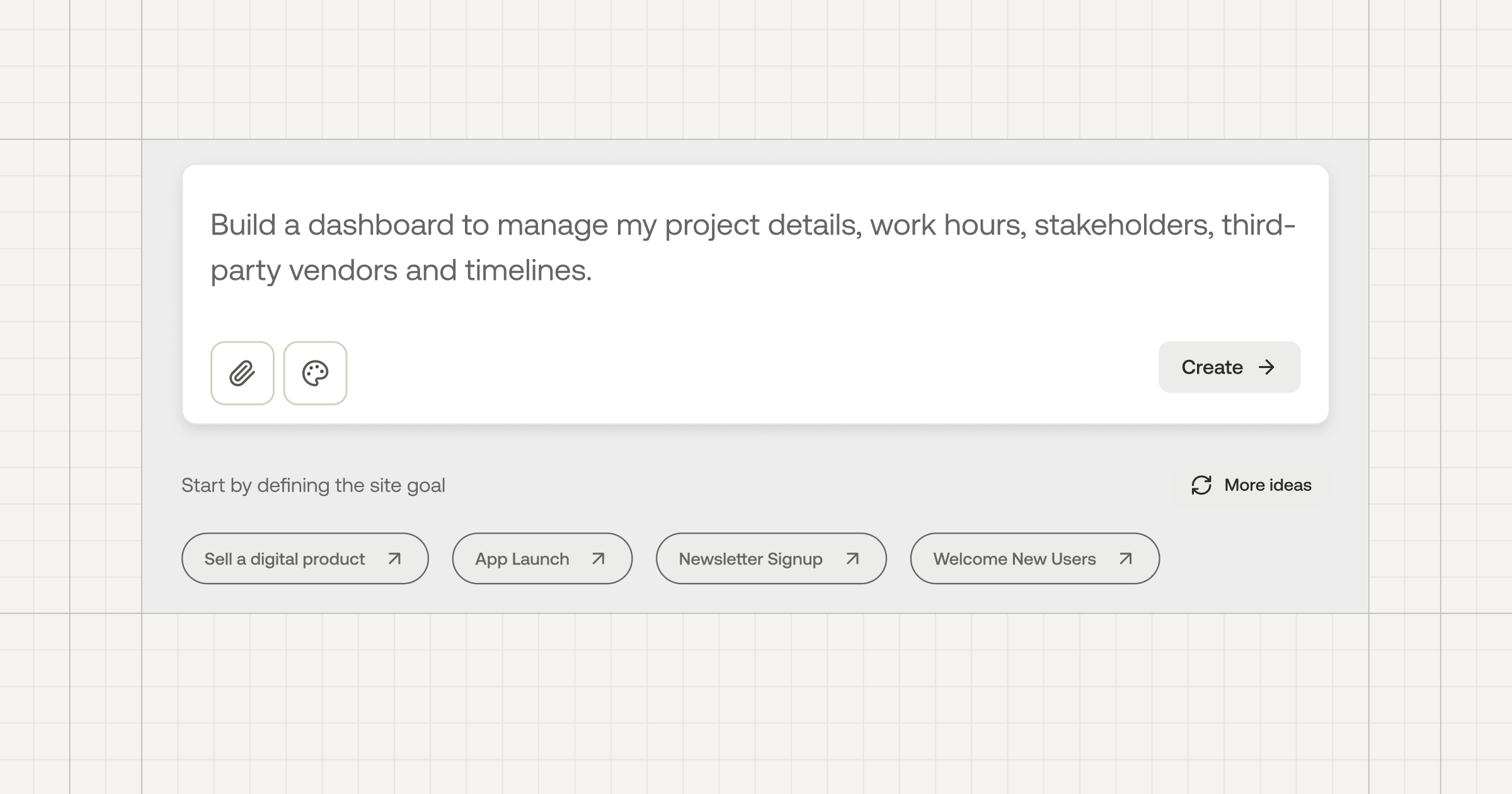
That means instead of only adding a heatmap widget to an existing page, you can prompt for a dashboard that surfaces your own session and event data, styled and structured to match the rest of your product, and built as part of a larger site or app rather than a separate embedded panel. Sticklight extends what you can already do with WordPress and Elementor, adding custom, code-level functionality without writing every line by hand, useful when a project needs more than a page with a tracking script on it.
Frequently asked questions
What do Hotjar alternatives like Microsoft Clarity, Mouseflow, FullStory, and Smartlook generally track?
Most tools in this category combine heatmaps, session recordings, and some form of event or funnel tracking, though the depth of segmentation, session search, and mobile app support varies by tool.
Does switching away from Hotjar mean losing historical session data?
Session recordings and heatmap history generally stay tied to the tool that captured them, so switching to a new platform typically means starting a fresh data set rather than migrating old recordings over.
Which of these tools support both web and mobile app tracking?
Smartlook is built with native SDKs for iOS and Android alongside its web script, while Microsoft Clarity, Mouseflow, and FullStory are primarily focused on web traffic, so check their site for current pricing and platform support before choosing one for a mobile-heavy product.
Are these tools suited for small teams or larger organizations?
Microsoft Clarity and Mouseflow are commonly used by smaller marketing and UX teams, while FullStory is generally positioned toward larger product and engineering organizations that want session data tied into a broader analytics stack.
Can behavior tracking be built directly into a custom site or dashboard instead of added as a separate widget?
Some teams prefer to build their own tracking and reporting directly into a site or app rather than relying on a third-party script, which typically requires custom development work or a platform that supports prompting for that functionality.
Built by the Elementor team. Powered by Claude.
Let it glow.
