
The Best HubSpot Alternatives for 2026

HubSpot alternatives get searched for a few common reasons. A team may have outgrown a free or entry-level tier, the pricing structure may no longer fit as contact counts grow, or a business may simply want a CRM with a different feature set or workflow than the one it already has.
This guide looks at four commonly considered options: Zoho CRM, Pipedrive, Freshsales, and Insightly. Each takes a different approach to managing contacts, deals, and marketing activity, so the right fit depends on what your team actually needs day to day.
Zoho CRM
Zoho CRM is part of the broader Zoho suite of business applications, which covers sales, marketing, and customer support tools that can be used together or on their own. It is generally used by sales teams that want a CRM connected to a wider set of business apps built by the same company, such as invoicing, help desk, and project management. It includes lead and contact management, pipeline tracking, and workflow automation, with reporting features aimed at sales forecasting. Check their site for current pricing.
Pipedrive
Pipedrive is a CRM built around a visual sales pipeline, where deals move through stages on a board-style view. It is generally used by sales teams that want a direct way to track deals from first contact through to close, with activity reminders attached to each deal. It includes email integration, deal and contact management, and reporting on pipeline stages and conversion rates. Check their site for current pricing.
Freshsales
Freshsales is a CRM from Freshworks, a company also known for its customer support and IT service products. It is generally used by sales teams that want phone and email tools built into the CRM itself, alongside contact and deal management, rather than connecting a separate calling service. It includes lead scoring, workflow automation, and reporting, and can be used alongside other Freshworks products for support and marketing. Check their site for current pricing.
Insightly
Insightly is a CRM that combines contact and pipeline management with project management features in one system. It is generally used by teams that want to track work through delivery, not just through the close of a deal, since projects and tasks can be linked directly to a won opportunity. It includes contact and lead management, workflow automation, and integrations with common email and calendar tools. Check their site for current pricing.
What to consider when comparing options
Beyond the specific tool, a few factors tend to matter most when comparing CRM options for a growing team.
- How many contacts or leads are included before extra fees apply
- Whether marketing automation is built in or requires a separate add-on
- How well the CRM connects with your existing email, calendar, and support tools
- Whether the interface matches how your sales team already works, such as a pipeline view versus a list view
- What level of reporting and forecasting the team actually needs day to day
I started giving cost dashboards the same attention as uptime dashboards, because a system that works but slowly bankrupts you is still a failure.
Itamar Haim
Where Sticklight fits
Sticklight is a vibe-coding platform for professional web creators, built by the Elementor team. Instead of piecing together templates by hand, you describe what you want in a prompt, and Sticklight turns it into a production-ready website, app, dashboard, CMS, or tool. That can include something like an internal lead-tracking dashboard or a custom tool that connects to your CRM, not just a marketing page.
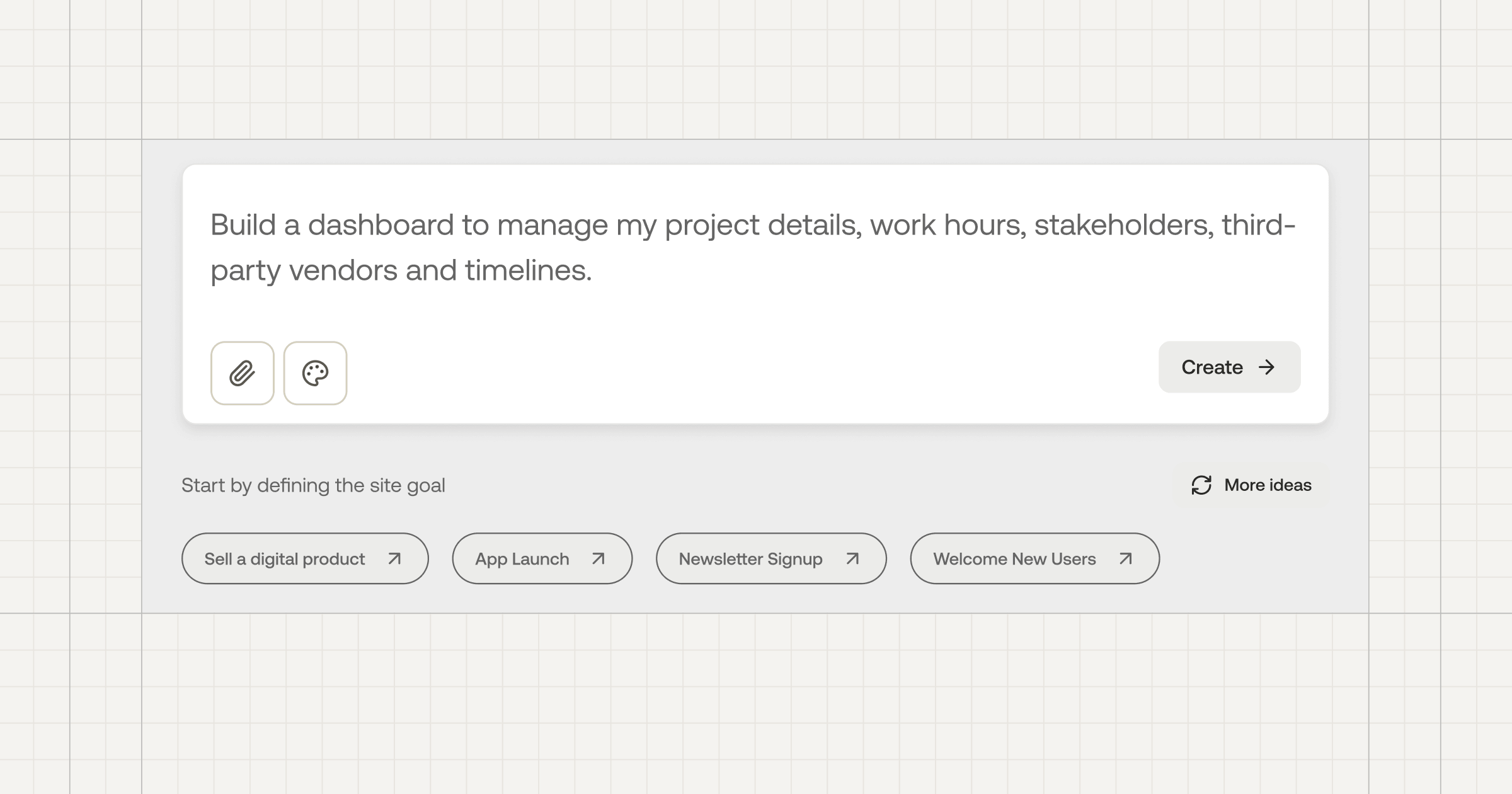
WordPress and Elementor stay part of the picture rather than something to move away from. Sticklight extends what a WordPress or Elementor site can already do, adding full-stack building on top of a foundation many teams already use, so an existing site and the new tools around it can grow together.
For a team evaluating HubSpot alternatives alongside its broader web and marketing stack, Sticklight is worth knowing about as the layer that builds the surrounding tools, not as a CRM itself.
Frequently asked questions
Why do businesses look for HubSpot alternatives?
Teams often look for a HubSpot alternative when their contact volume grows past a free or entry tier, when they want a different feature set, or when they need a CRM that fits an existing workflow more closely.
What is the difference between a CRM and a marketing automation platform?
A CRM mainly tracks contacts, deals, and communication history, while marketing automation focuses on email campaigns, lead scoring, and multi-step nurture sequences, though many tools combine both to some degree.
Can I switch CRMs without losing my contact data?
Most CRM providers offer an import tool for contacts, deals, and notes, typically through a CSV file or a direct migration option, though the exact steps depend on the platform you are moving to.
Do HubSpot alternatives cost less?
Cost varies by provider and depends on factors like team size, contact volume, and which features are included, so check each site for current pricing before comparing.
Which HubSpot alternative should a small sales team consider?
The right choice depends on whether the team needs a visual pipeline, built-in phone tools, project tracking after a deal closes, or integration with a wider suite of business apps, since each tool emphasizes different strengths.
Built by the Elementor team. Powered by Claude.
Let it glow.