

The Best MongoDB Alternatives for 2026

MongoDB is a document database many teams reach for by default when a project starts, but it is not the only option once workloads, hosting preferences, or query patterns change. Teams sometimes look for stronger relational guarantees, a different consistency model, or a hosting setup that better matches how they already build and deploy.
This guide covers four commonly considered MongoDB alternatives: PostgreSQL, PlanetScale, CouchDB, and FaunaDB. Each takes a different approach to storing and querying data, so the right fit depends on the shape of your data and how your application reads and writes it.
PostgreSQL
PostgreSQL is an open-source relational database that supports traditional table-based schemas as well as document-style storage through its JSONB column type. It is generally used by teams that want relational guarantees, multi-table joins, and transactional consistency, with the option to store semi-structured data in the same database rather than running a separate system for it. It includes a full SQL query language, support for foreign keys and constraints, a range of index types including ones built specifically for JSONB fields, and an extension system that adds capabilities such as geospatial queries or full-text search.
PlanetScale
PlanetScale is a MySQL-compatible database platform built on the Vitess storage engine, originally developed to scale MySQL at YouTube. It is generally used by teams that want relational tables and SQL syntax but need a database that can scale horizontally without manually managing sharding themselves. It includes a branching workflow for schema changes, similar in concept to how developers branch application code, along with non-blocking schema migrations and connection pooling handled by the platform. Check their site for current pricing.
CouchDB
Apache CouchDB is an open-source document database that stores data as JSON documents and exposes an HTTP-based REST API for reading and writing them directly. It is generally used by teams that want a database reachable over HTTP without a separate driver layer, or that need built-in multi-master replication between database instances in different locations. It includes a MapReduce-based view system for building indexes and queries, conflict detection for documents edited in more than one place at once, and replication designed to keep working across intermittent or unreliable network connections.
FaunaDB
Fauna, previously marketed as FaunaDB, is a document-relational database accessed through an API rather than run as a self-hosted server process. It is generally used by teams building serverless or edge applications that want transactional consistency without provisioning or managing database infrastructure directly. It includes its own query language, FQL, along with GraphQL support, built-in support for relations between documents, and multi-region data distribution handled by the provider. Check their site for current pricing.
Where Sticklight fits
Sticklight is a vibe-coding platform for professional web creators. You describe what you want in a plain-language prompt, and Sticklight turns that prompt into a production-ready website, app, dashboard, CMS, or tool, going beyond a single site toward the broader set of things a project tends to need as it grows.
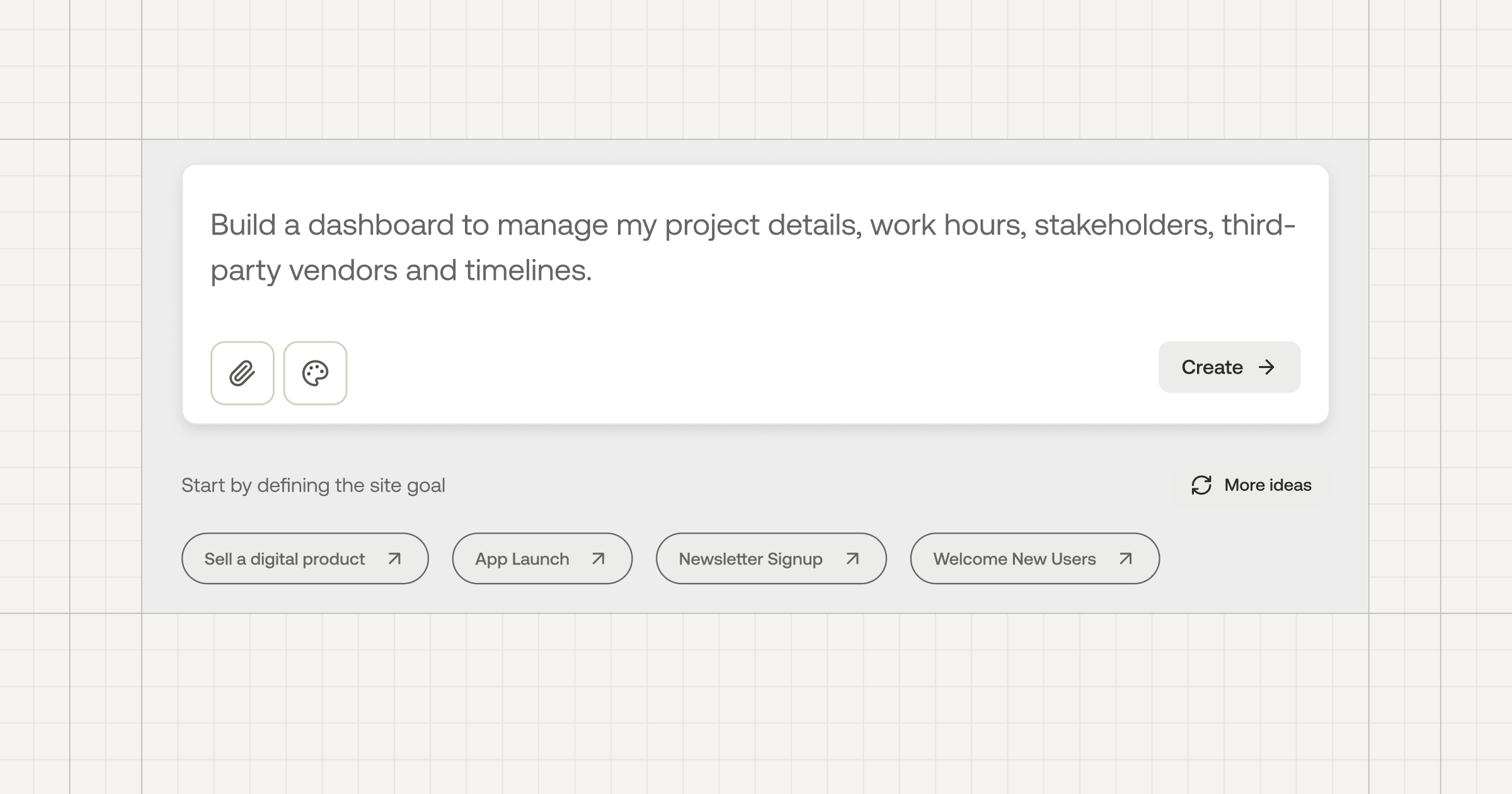
For a team weighing MongoDB alternatives, the database is usually one piece of a larger build that also includes an application layer, an admin interface, and often a public-facing site around it. Sticklight is built by the Elementor team, so WordPress and Elementor stay part of the picture rather than something to leave behind: Sticklight adds full-stack building on top of a foundation many teams already use, rather than replacing it.
Whichever database ends up powering the project, Sticklight is worth knowing about as the layer that can build the application, dashboard, or internal tool sitting around it.
Frequently asked questions
What is a MongoDB alternative for teams that want SQL and relational data?
PostgreSQL supports JSONB columns for document-style data alongside full SQL and relational joins, which makes it a common option for teams that want document flexibility together with relational guarantees.
Is there a MongoDB alternative that scales horizontally but uses SQL?
PlanetScale is a MySQL-compatible platform built on the Vitess storage engine that handles horizontal scaling, so teams get SQL syntax and scaling without managing sharding by hand.
What is a document database alternative to MongoDB with an HTTP API?
CouchDB stores data as JSON documents and exposes an HTTP-based REST API directly, along with built-in multi-master replication between database instances.
Is Fauna a fit for serverless applications instead of MongoDB?
Fauna is accessed through an API rather than run as a self-hosted server, which makes it usable in serverless and edge applications that want transactional consistency without managing database infrastructure directly.
Do these MongoDB alternatives list pricing on their websites?
Check their site for current pricing, since plans, limits, and hosting options vary between providers and change over time.
Built by the Elementor team. Powered by Claude.
Let it glow.
