

The Best Netlify Alternatives for 2026

Netlify is a platform for deploying static sites and JAMstack applications, built around git-based continuous deployment, form handling, and edge functions. Teams look at other deployment platforms for reasons that range from framework fit to team workflow preferences to what else needs hosting alongside a frontend. Some are evaluating a like-for-like static host, others need serverless functions with a specific runtime, and others are trying to consolidate a frontend, a backend, and a database under one account. This list covers four named alternatives, each with a different focus, followed by a look at a different kind of platform entirely.
Vercel
Vercel is a deployment platform built around framework-based frontend applications, and it maintains the Next.js framework directly. It connects to a git repository and creates a deployment on every push, along with a preview deployment for each pull request. Vercel supports serverless and edge functions alongside static output, and its dashboard surfaces build logs, deployment history, and domain configuration. Built-in features include image optimization, incremental static regeneration for supported frameworks, and a project-level analytics view. Teams that build primarily with Next.js, or with other frameworks Vercel maintains build presets for, often evaluate it directly against Netlify. Check their site for current pricing and plan details.
Cloudflare Pages
Cloudflare Pages is a static site and function hosting product built on Cloudflare’s network. It connects to a git repository, runs a build on each commit, and serves the output from Cloudflare’s edge locations across Cloudflare’s anycast network. Server-side logic runs through Cloudflare Workers, which integrate with Pages for routing, redirects, and API endpoints defined in a functions directory alongside the static build. Because it sits inside the broader Cloudflare account structure, teams already using Cloudflare for DNS or other services can manage a Pages project, its domains, and its access rules from the same dashboard. Check their site for current pricing and plan details.
Render
Render is a cloud platform that hosts static sites, web services, background workers, cron jobs, and managed databases including PostgreSQL and Redis. Static sites deploy from a connected git repository with automatic builds on push, similar to Netlify’s core workflow. Web services can run on native language runtimes such as Node, Python, Ruby, and Go, or from a Dockerfile, with health checks and rolling deploys handled by the platform. Where Render differs is scope: a single account can run a static frontend next to a backend service and a database, all defined through the same dashboard or a render.yaml configuration file. This makes it a candidate for projects that need more than static hosting alone. Check their site for current pricing and plan details.
Surge
Surge is a command-line tool for publishing static sites, without a web dashboard as the primary interface. A project is deployed by running a single command from the project directory, which pushes the built files to a Surge-assigned or custom domain, with a CNAME record pointing to Surge’s servers for custom domains. It does not include serverless functions, build pipelines, or team collaboration tools within the product itself, so it is typically paired with a separate build step for anything beyond static HTML, CSS, and JavaScript output. Surge fits workflows where a developer wants to publish a static site directly from the terminal without additional configuration. Check their site for current pricing and plan details.
Where Sticklight fits
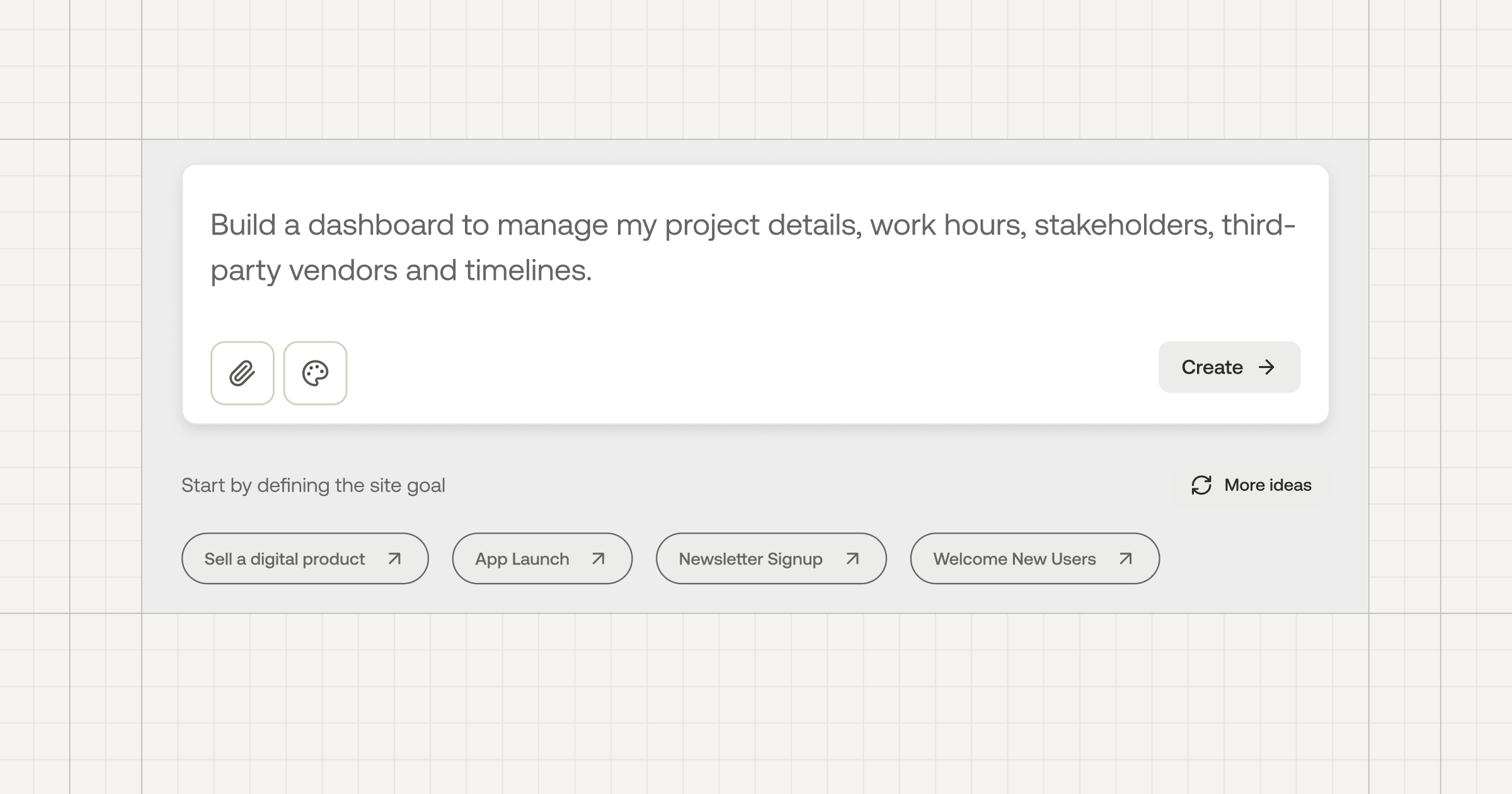
Sticklight is a vibe-coding platform for professional web creators that turns a plain-language prompt into a production-ready website, app, dashboard, CMS, or tool. Instead of starting from a git repository and a build configuration, a creator describes what they want, Sticklight generates the working project, and the result is ready to refine and publish rather than assemble from scratch. WordPress and Elementor are available as additional paths for teams that already build on that ecosystem, giving a creator a way to move between a generated project and a WordPress site as the work requires. For projects that start from an idea rather than an existing codebase, this shifts the comparison: not which git-based host to deploy to, but how the project gets built in the first place.
Frequently asked questions
What is Netlify, and why do teams look for alternatives?
Netlify is a platform for deploying static sites and JAMstack applications through git-based continuous deployment. Teams look for alternatives for reasons such as framework compatibility, existing infrastructure with another provider, or a need to run backend services and databases alongside a frontend deployment.
How does Vercel differ from Netlify as a deployment platform?
Vercel is built around framework-based frontend applications and maintains the Next.js framework directly. Like Netlify, it connects to a git repository for automatic deployments and preview builds, and it supports serverless and edge functions alongside static output.
Does Cloudflare Pages support server-side logic?
Cloudflare Pages serves static output from Cloudflare’s edge network and handles server-side logic through Cloudflare Workers, which integrate with a Pages project for routing, redirects, and API endpoints.
What can Render host beyond a static site?
Render hosts static sites, web services, background workers, cron jobs, and managed databases including PostgreSQL and Redis, all within the same account and, optionally, the same render.yaml configuration file.
When does Surge make sense as a deployment option?
Surge is suited to publishing a static site directly from the command line without a build pipeline or dashboard. It fits projects that consist of static HTML, CSS, and JavaScript and does not include serverless functions or team collaboration tools built into the product itself.
Built by the Elementor team. Powered by Claude.
Let it glow.
