The Best Notion Alternatives for 2026

Notion is an all-in-one workspace that brings documents, wikis, task boards, and databases into a single interface. It lets a team or an individual write notes, plan projects, and store reference material in one place, using a block-based editor that adapts to pages, lists, tables, and calendars.
Because Notion covers so much ground within one interface, from personal notes to team wikis to lightweight databases, some teams and individuals look at other tools that specialize more narrowly, structure information differently, or already fit into software they use for tasks, engineering, or documentation. Comparing tools by structure and team fit helps in choosing one that matches how work actually happens, not just what features a tool lists.
Coda
Coda is a document-based workspace that combines text, tables, and interactive building blocks inside a single doc. Formulas, buttons, and small automations can sit directly on the page alongside written content, so a doc can also function as a lightweight tracker rather than a static page of notes.
This structure commonly suits teams that want to build their own trackers, planning docs, or small internal applications without leaving a document format. It fits groups comfortable assembling their own structure and formulas as needs change, rather than working from a fixed set of templates.
ClickUp
ClickUp is a project and task management platform that also includes docs, goals, forms, and time tracking within one system. Tasks can be organized into lists, boards, or timelines, and documents live alongside that task structure rather than as a separate product.
It commonly suits teams whose main need is tracking tasks, deadlines, and project status across multiple departments, with notes and documentation added as a secondary layer on top of that project structure. Groups already organized around sprints or client project tracking often start from that angle rather than from a blank notes page.
Obsidian
Obsidian is a note-taking application that stores notes as local markdown files on a device and links them together through a graph view showing how individual notes connect to each other. Notes can be organized with folders, tags, and backlinks rather than a hosted team database.
It commonly suits individuals and small groups focused on personal knowledge management, research, journaling, or long-form writing, where notes are kept locally and synced through a separate service if needed. Teams built around shared, real-time collaboration typically weigh this alongside other options rather than as a standalone team hub.
Confluence
Confluence, made by Atlassian, is a wiki and documentation platform commonly paired with Jira for software and product teams. Pages are organized into spaces, and documents can link directly to issues, sprints, and project boards tracked in Jira.
It commonly suits larger organizations, especially engineering and product groups, that already use Atlassian tools and want meeting notes, requirements, and knowledge bases connected to their existing issue tracking. Teams without an existing Atlassian setup typically weigh this against tools that do not require that same connected structure.
How to choose
The right fit depends on team size, whether daily work centers more on documents or on tasks, and how much a tool needs to connect with software already in use for engineering, support, or sales. A small team writing shared notes has different needs than an engineering group tracking sprints and issues.
It also depends on whether notes need to live in a hosted, real-time collaborative space or can stay local to one device, and whether a team wants a flexible blank structure to build on or a more fixed set of templates. Trying a workspace with real content and real users, before committing a whole team to it, tends to surface these differences quickly.
Production has opinions that your local environment never bothered to share with you until it was too late to plan around them.
Itamar Haim
Where Sticklight fits
Notion, Coda, ClickUp, Obsidian, and Confluence are all general-purpose workspaces that get adapted, through templates, plugins, or custom fields, to fit a team’s specific process. Sticklight, a vibe-coding platform built by the Elementor team, takes a different approach. Instead of adapting a general workspace to a workflow, a team describes that workflow in a prompt, and Sticklight turns it into a production-ready custom app built around those exact steps.
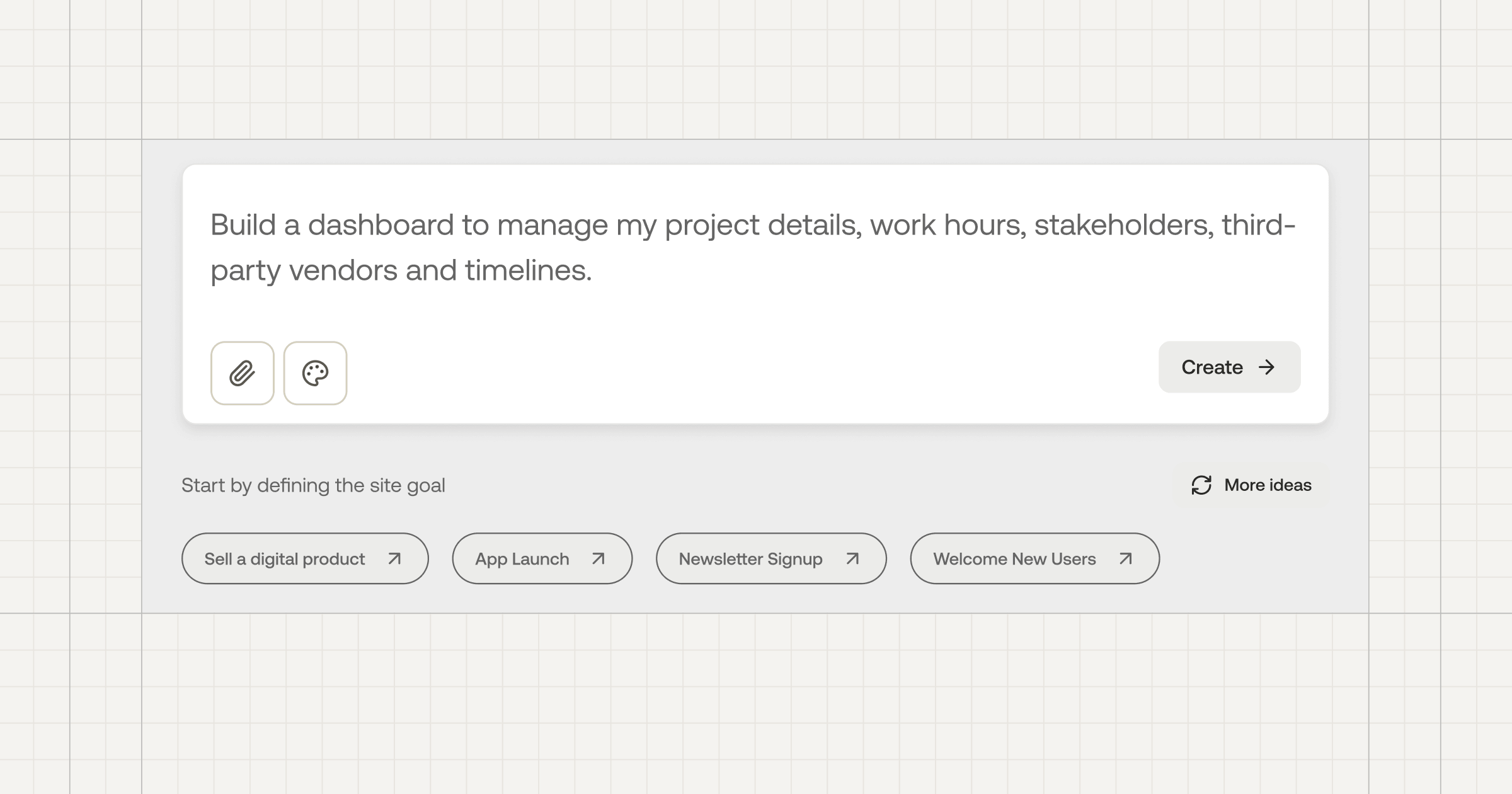
This makes Sticklight additive rather than a replacement for a docs or notes tool. A team can keep its writing, wikis, and shared notes in Notion, Coda, or Confluence, while using Sticklight to build the specific internal app, client portal, or workflow tool that a general workspace was never designed to be. Because Sticklight comes from the Elementor team, it also connects naturally with WordPress sites already built on Elementor.
Frequently asked questions
What is Notion?
Notion is an all-in-one workspace for notes, documents, databases, and project management, letting teams and individuals organize information and collaborate in one place.
Why look for a Notion alternative?
Teams look for alternatives when they want different pricing, offline access, a specific feature set, or a tool that fits their workflow better. Check each tool’s site for current pricing.
What should I look for in a Notion alternative?
Consider how you work, whether you need docs, databases, task management, or offline access, plus collaboration features, integrations, and how well the tool scales with your team.
Are there open-source Notion alternatives?
Yes. Some workspace and note tools are open source and can be self-hosted, which some teams prefer for control and privacy. Review each project’s features and licensing.
Can I build my own tool instead of using Notion?
Yes. Instead of adapting a general workspace, some teams build a custom app tailored to their exact workflow, which modern tools make faster to do.
Built by the Elementor team. Powered by Claude.
Let it glow.