
The Best Sanity Alternatives for 2026

Sanity is a headless content platform built around structured content, real-time collaboration, and a customizable Studio interface built on React, with a GROQ query language and a content lake for storing and querying data. Teams comparing options in 2026 for headless content management have several established alternatives to evaluate, each with a different approach to hosting, editing, and data storage.
This list covers four Sanity alternatives on a strictly factual basis: what each tool is, how it’s typically deployed, and what kind of project it tends to fit. None of these tools is presented as a substitute for another, since the right choice depends on hosting preferences, editorial workflow, and how content needs to be structured and queried.
Strapi
Strapi is an open-source headless CMS built on Node.js, distributed with a self-hosted admin panel for building content types, managing roles and permissions, and exposing content through REST and GraphQL APIs. It includes a content-type builder for defining fields and relationships without writing schema code by hand, along with a plugin marketplace for extending core functionality. Strapi can be self-hosted on infrastructure a team controls, or run through Strapi Cloud for teams that prefer a managed option. It’s commonly used by teams that want ownership of their content database and hosting environment, paired with an admin interface similar to what a hosted CMS provides. Check their site for current pricing.
Contentful
Contentful is a hosted, API-first content platform that organizes content through content models, exposing it via REST, GraphQL, and a Content Delivery API for use across websites, apps, and other channels. It includes an App Framework for building custom extensions inside the editorial interface, along with role-based permissions and environment management for staging and production content. Contentful runs as a fully hosted SaaS product, meaning teams don’t manage servers or databases themselves, and it’s frequently used by organizations publishing content across multiple platforms from a single content model. Check their site for current pricing.
Storyblok
Storyblok is a headless CMS that pairs an API-first content structure with a visual editor, letting editors see and adjust page layouts made of nestable, reusable content blocks (referred to as bloks) alongside the underlying structured data. The platform’s backend and editing interface are built with Vue.js, and it supports real-time preview so editors can see changes reflected before publishing. Storyblok can be used with a range of front-end frameworks through its API, and its component-based editing model is aimed at teams that want editors to work with visual page composition rather than only filling in structured fields. Check their site for current pricing.
Directus
Directus takes a different approach from a traditional headless CMS: it’s a data platform that wraps an existing SQL database, such as PostgreSQL, MySQL, or SQL Server, with an instant REST and GraphQL API and a companion admin app for managing that data. Rather than owning its own proprietary content store, Directus reads and writes directly against a database a team already has or sets up, which means the underlying schema stays in standard SQL tables rather than a platform-specific format. It’s open-source and can be self-hosted, with a managed Directus Cloud option also available. This structure is generally chosen by teams that want an admin interface and API layer on top of a database they control directly, rather than migrating content into a separate hosted store. Check their site for current pricing.
Where Sticklight fits
If you’re comparing Sanity alternatives because a project needs content management built into the structure of a site or app, rather than wired to a separate hosted CMS, that’s the kind of build Sticklight is designed for. Sticklight is a vibe-coding platform for professional web creators: you describe what you want in a plain-language prompt, and it turns that into a production-ready website, app, dashboard, CMS, or tool.
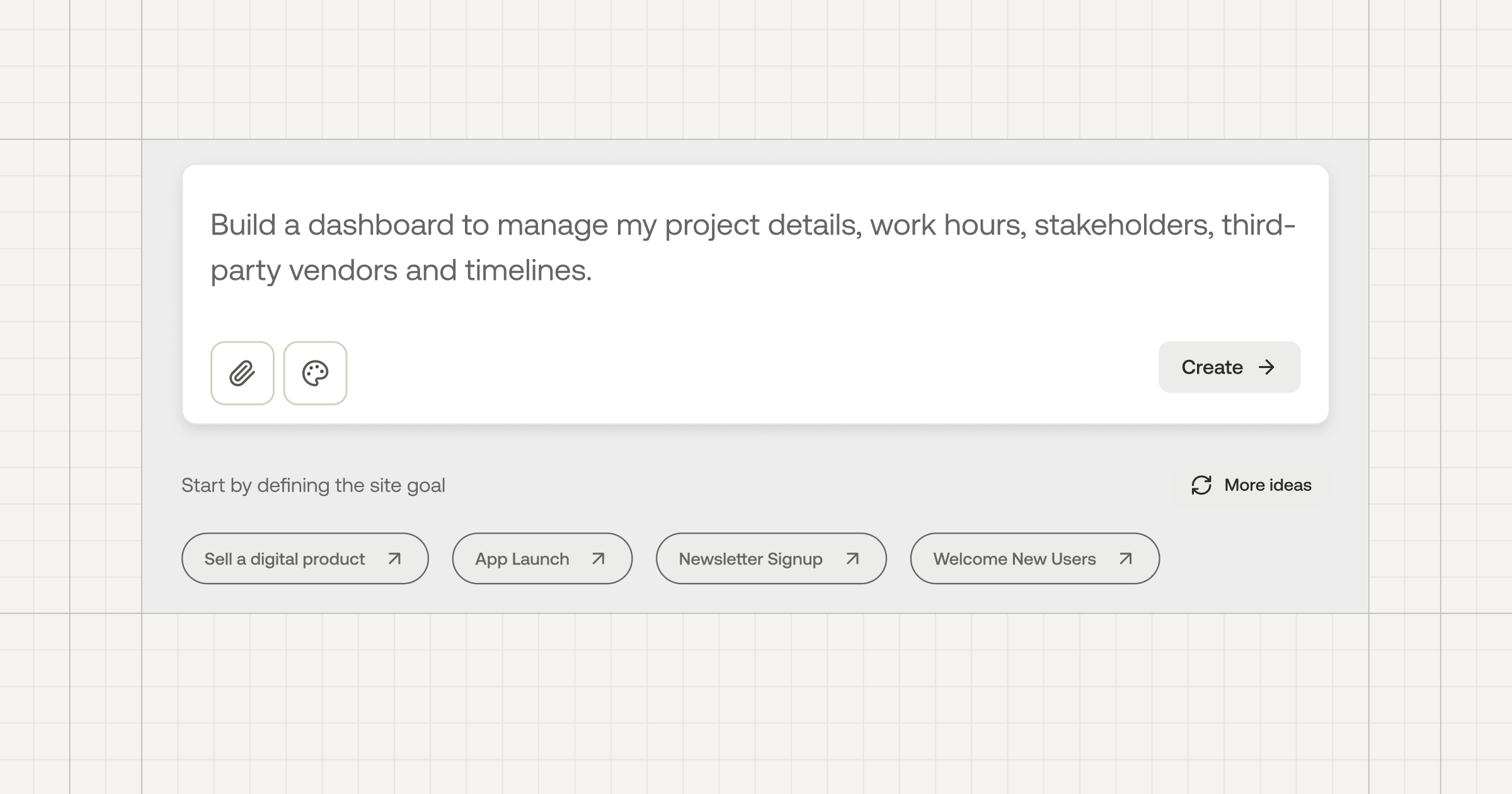
That means instead of only connecting to a third-party content platform, you can prompt for content structures, admin views, and data models built directly for the project at hand, whether that’s a custom content type, an internal dashboard for editors, or a small CMS scoped to exactly what a site needs. Sticklight extends what you can already do with WordPress and Elementor, adding custom, code-level functionality without writing every line by hand, useful when a project’s content needs don’t map cleanly onto an existing platform’s structure.
Frequently asked questions
What do Sanity alternatives like Strapi, Contentful, Storyblok, and Directus generally have in common?
Each of these tools exposes content through an API for use across websites and apps, though they differ in whether they’re self-hosted, fully hosted, or built as a layer on top of an existing database.
Which of these tools can be self-hosted on infrastructure a team controls?
Strapi and Directus are open-source and can be self-hosted, and both also offer a managed cloud option, while Contentful runs as a fully hosted SaaS product and Storyblok is offered as a hosted platform as well.
How is Directus different from a traditional headless CMS?
Directus wraps an existing SQL database, such as PostgreSQL or MySQL, with a REST and GraphQL API and an admin app, rather than storing content in its own proprietary content store the way a typical headless CMS does.
Does any of these tools include a visual, component-based editing experience?
Storyblok pairs its API-first content structure with a visual editor built around nestable, reusable content blocks, letting editors see page layouts while working with the underlying structured data.
Can content management be built directly into a custom site or app instead of connected to a separate platform?
Some teams prefer to build content structures and admin views directly into their own site or app rather than integrating a separate hosted CMS, which typically requires custom development work or a platform that supports prompting for that functionality.
Built by the Elementor team. Powered by Claude.
Let it glow.
