
The Best Shopify Alternatives for 2026

Shopify is a hosted ecommerce platform that lets merchants build, manage and scale online stores. It combines site building, checkout, payment processing and order management within a single subscription-based system, with hosting, security and platform updates handled by Shopify itself. An app marketplace and theme library let store owners extend functionality without managing their own server infrastructure. Stores built on it range from small direct-to-consumer shops to larger multi-channel retail operations selling across web, marketplaces and physical locations.
Teams look at alternatives for a range of practical reasons rather than any single complaint: some want more direct control over code, design and hosting, some are already working inside a different content system such as WordPress and prefer to keep everything in one place, some are comparing app costs and transaction fees, and some simply want to confirm that another platform fits their catalog size, design requirements and technical comfort level before committing. Reviewing a few options side by side makes it easier to see which setup actually matches how the team plans to build and run the store.
WooCommerce
WooCommerce is an open source plugin that adds ecommerce functionality to WordPress, turning a WordPress installation into an online store. Because it is plugin-based rather than a separate hosted service, store owners choose their own hosting provider and typically combine WooCommerce’s core features with additional plugins for payments, shipping, tax and inventory management. It commonly suits teams already using WordPress for their site and content, or teams that want direct access to their store’s code, database and hosting environment.
BigCommerce
BigCommerce is a hosted ecommerce platform that provides built-in tools for catalog management, checkout, promotions and multi-channel selling, with hosting and infrastructure managed by the provider rather than the merchant. It ships with a broad set of native commerce features, which can reduce reliance on third-party apps for standard functions like product options or bulk pricing. It commonly suits mid-size to larger retailers that want a hosted setup with fewer add-ons required for typical store operations and reporting.
Squarespace
Squarespace is a website builder with ecommerce features built into its broader design and hosting system, combining templates, content pages and store functionality in one product. Its commerce tools are offered as part of the general website-building environment rather than as a standalone, commerce-only platform. It commonly suits smaller catalogs, service-based businesses, or brands where an online store sits alongside a portfolio, blog or marketing pages built in the same system.
Wix
Wix is a website builder that includes an ecommerce module for adding a store to a Wix site, alongside drag-and-drop design tools and hosting managed entirely by Wix. Store-related features and integrations are accessed through its own app market rather than a separate commerce ecosystem. It commonly suits smaller stores or businesses that want a store built inside a general-purpose website builder rather than choosing a dedicated, commerce-first platform.
How to choose
The right platform usually comes down to a handful of practical factors rather than one single feature. How much control does the team want over code, design and hosting versus a more guided, all-in-one system. How large and complex is the product catalog, and how much does it rely on custom logic, subscriptions or bundles. Does the store need to sit alongside other content, like a blog, portfolio or marketing pages, or does it stand on its own. And how comfortable is the team with ongoing technical maintenance versus a managed service. Weighing these questions against budget, timeline and the skills already on the team narrows the list quickly.
The gap between a staging environment and production is where most of a team’s confidence quietly goes to die, usually right before a demo that matters.
Itamar Haim
Where Sticklight fits
Sticklight is a vibe-coding platform built by the Elementor team that turns a plain-language prompt into a production-ready online store and custom commerce tools, generating real, working code rather than assembling a fixed template. That makes it a fit for teams that want functionality a standard theme or app doesn’t already offer, such as a custom checkout flow, a specific product configurator, or an internal tool connected to the store.
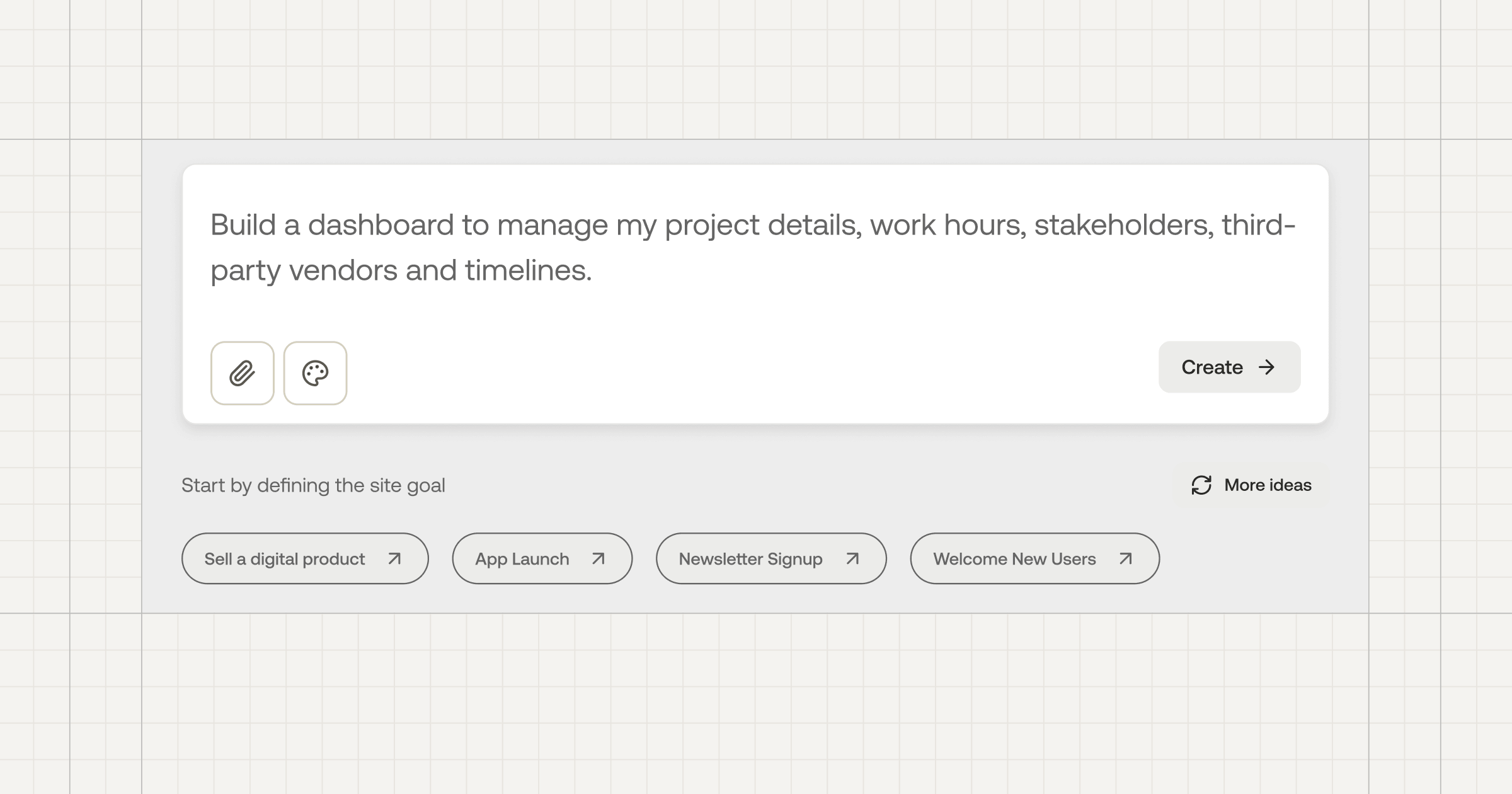
It fits additively alongside the platforms above rather than replacing the comparison outright. A team already building on WordPress and Elementor can extend that setup with Sticklight-generated tools, and a store already running on WooCommerce, which itself runs on WordPress, can use Sticklight to prototype or add custom functionality without a full platform migration. For teams weighing Shopify, WooCommerce, BigCommerce, Squarespace or Wix, Sticklight is worth a look wherever a store needs something built rather than something merely configured.
Frequently asked questions
What is Shopify?
Shopify is a hosted ecommerce platform for building and running an online store, handling products, checkout, payments, and shipping in one place, aimed at merchants who want to sell online quickly.
Why look for a Shopify alternative?
Teams look for alternatives when they want different pricing, more control, an open-source option, or a platform that fits their catalog and stack better. Check each tool’s site for current pricing.
What should I look for in a Shopify alternative?
Consider your catalog size, transaction fees, hosting, design flexibility, payment options, and how well the platform scales as your store grows.
Are there open-source Shopify alternatives?
Yes. Some ecommerce platforms are open source and can be self-hosted, which some merchants prefer for control and flexibility. Review each project’s features and licensing.
Can I move my store off Shopify?
Usually with some work. Products and customers can often be exported, but your storefront design, apps, and settings typically need to be rebuilt, so plan a migration.
Built by the Elementor team. Powered by Claude.
Let it glow.