
The Best Squarespace Alternatives for 2026

Squarespace is a hosted website builder that provides templates, a browser-based editor, and hosting within a single subscription. Users design pages using the platform’s own interface, select from templates organized by industry and site type, and publish without managing separate hosting or installing software. The platform also includes built-in options for basic e-commerce, blogging, scheduling, and email campaigns, all managed from the same account, with updates and infrastructure handled by Squarespace rather than the site owner.
People look at other website builders for a range of reasons: template variety, e-commerce feature depth, third-party app or integration ecosystems, content management needs, and how a site is expected to scale over time. Some teams want more direct control over code and page structure than a template-based editor typically allows, others want a simpler visual editing experience, and some are weighing what it would take to move existing content and design if they switch platforms. Domain and hosting arrangements already in place with another provider can factor into the decision as well.
Wix
Wix is a hosted website builder built around a drag and drop editor, along with an AI-assisted setup flow that generates a starting layout from a short questionnaire about the business or project. It includes an app marketplace for adding functions such as bookings, e-commerce, and forms, plus built-in blogging and email marketing tools. It commonly suits individuals and small businesses building a site without a developer on staff and without writing code directly.
Webflow
Webflow is a website builder that combines a visual, canvas-based editor with direct control over the underlying HTML, CSS, and layout structure, and it includes a built-in CMS for structured content such as blog posts or listings. Sites are hosted on Webflow’s infrastructure after publishing. It commonly suits designers and design-minded teams who want visual control over markup and styling without hand-writing every line of code, and developers who want to hand off a finished design system to non-technical editors.
Weebly
Weebly is a hosted website builder, now operated under Square, that provides a drag and drop editor, a set of templates, and integrated e-commerce tools connected to Square’s payment processing. It commonly suits small businesses and sole proprietors who want a straightforward site paired with point-of-sale or in-person payment tools already in the Square ecosystem, without setting up a separate payment provider.
GoDaddy
GoDaddy offers a hosted website builder, marketed as GoDaddy Websites and Marketing, alongside its longer-standing domain registration and hosting services. The builder uses an AI-driven setup flow that assembles a starting site from basic business information, and it bundles marketing tools such as email campaigns and social media posting. It commonly suits small businesses that already manage a domain or other services through GoDaddy and want a site under the same account.
How to choose
The decision usually comes down to how much visual and structural control a team wants versus how quickly they want a site live. Platforms with heavier AI-assisted setup and simpler visual editors tend to suit teams that want to publish quickly without touching markup, while platforms that expose HTML and CSS structure tend to suit teams with design or development experience who want more control over the finished output. Content complexity plays a role too, since a handful of static pages and a large, frequently updated site call for different tools.
Existing account relationships also matter in practice. A business already using a registrar, a payment processor, or another service from one of these providers may prefer a website builder from the same account, while a business without that constraint can weigh templates, app ecosystems, and e-commerce depth on their own terms. Testing a platform’s free trial with real content and a few pages before committing is generally the most reliable way to confirm it fits.
Where Sticklight fits
Sticklight approaches the underlying problem from a different angle. It is a vibe-coding platform by the Elementor team that turns a prompt into a production-ready website and custom tools, rather than starting from a template library and a general-purpose page editor. A written description of what a site or tool needs to do becomes the starting point, and the build, the structure behind it, and any custom functionality are generated from that description rather than assembled piece by piece.
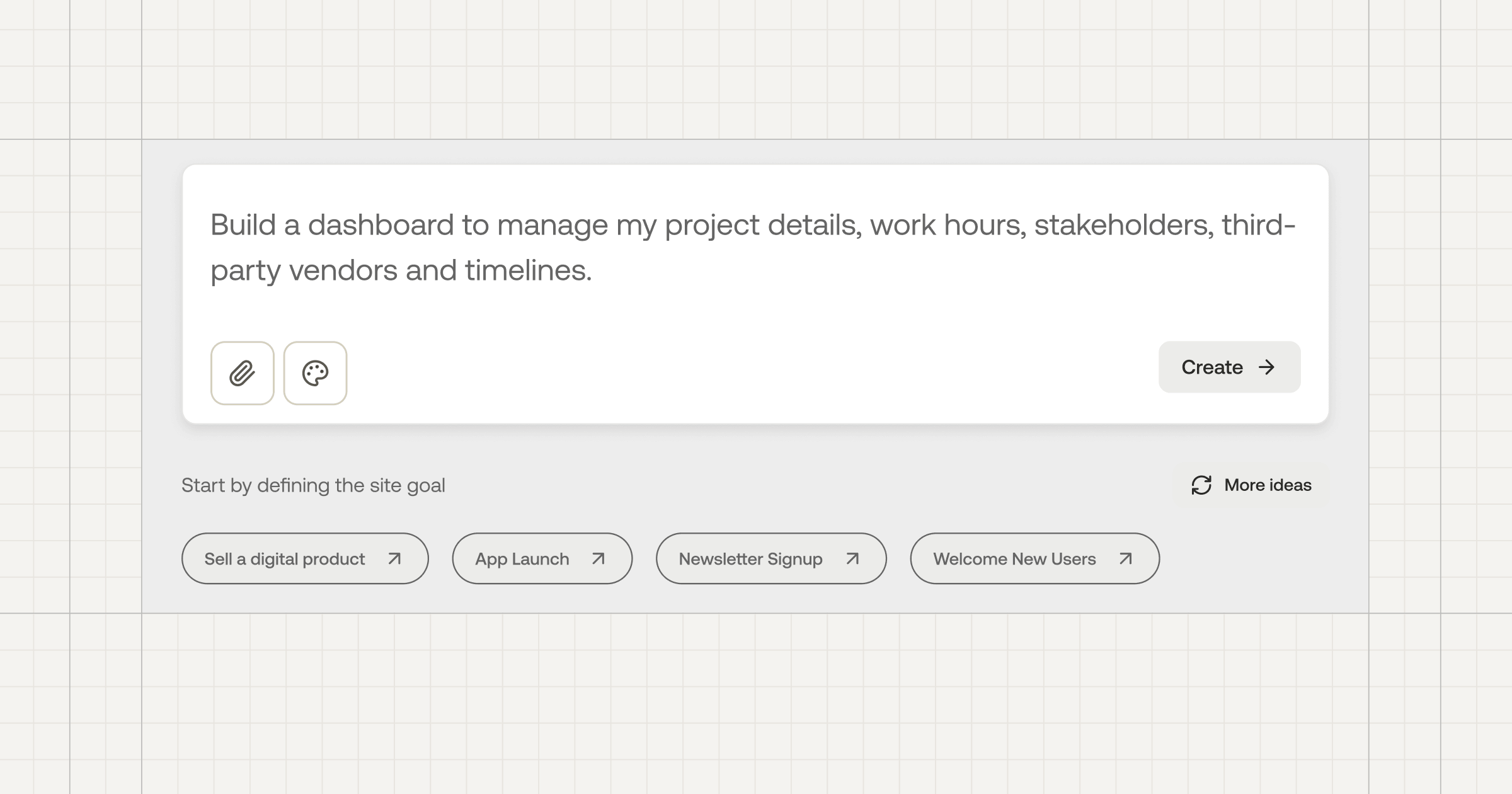
For teams comparing website builders because what they actually need includes functionality beyond a standard template, such as a custom internal tool or an application-like feature, Sticklight sits alongside WordPress and Elementor as another path from an idea to something live, built on the same team’s long-standing approach to page building and structured, editable content.
Frequently asked questions
What is Squarespace?
Squarespace is a hosted website builder for creating sites, online stores, and portfolios using templates and a visual editor, aimed at people who want an all-in-one platform.
Why look for a Squarespace alternative?
Teams look for alternatives when they want different pricing, more design control, specific features, or a platform that fits their goals better. Check each tool’s site for current pricing.
What should I look for in a website builder?
Consider ease of use, design flexibility, templates, ecommerce options, SEO features, hosting, and how well the platform scales as your site grows.
Which website builder is easiest to use?
Ease of use varies by platform and by what you are building. Many builders offer templates and drag-and-drop editing, so try a few to see which fits your workflow.
Can I move my site off Squarespace?
Usually with some work. Text and images can often be exported or copied, but your design and settings typically need to be rebuilt on the new platform, so plan a migration.
Built by the Elementor team. Powered by Claude.
Let it glow.
