
The Best Strapi Alternatives for 2026

Strapi is one of several open-source and commercial platforms for managing structured content outside a traditional website builder. Teams evaluating a move away from Strapi, or comparing options before starting a new project, typically weigh how each platform handles data ownership, hosting, admin interface design, and how content types are modeled.
This list covers four commonly cited alternatives: Directus, Payload, KeystoneJS, and Sanity, along with the practical differences between how each one stores and serves content.
Directus
Directus is an open-source platform that wraps an existing SQL database, including PostgreSQL, MySQL, and SQLite, and generates REST and GraphQL APIs from that schema rather than requiring content to live inside a proprietary data store. Its admin interface, called the Directus App, is built with Vue and reads directly from the underlying database tables, so an existing database can be connected without migrating the data elsewhere. Directus includes role-based permissions scoped per collection and per field, along with a live preview panel for connected frontends. It can be self-hosted on your own infrastructure or run through Directus Cloud, a managed hosting option. Recent core releases have shipped under the Business Source License, which places conditions on certain commercial hosting use cases. Check their site for current pricing.
Payload
Payload is a TypeScript-based headless CMS and application framework that runs on Node.js. Content models, access control, and hooks are defined in code rather than imported from an existing database schema, which means schema changes are tracked the same way as the rest of the codebase. Payload supports MongoDB and PostgreSQL as data layers and ships with a React-based admin panel, plus built-in support for drafts, versioning, and localized fields. Since version 3.0, Payload can be installed directly inside a Next.js application, sharing the same codebase and deployment as the frontend instead of running as a separate service. The project is released under the MIT license and is self-hosted by default.
KeystoneJS
KeystoneJS is an open-source headless CMS and GraphQL API framework built on Node.js. Content schemas are declared in TypeScript, and Keystone uses Prisma as its ORM layer, with support for PostgreSQL, MySQL, and SQLite. An admin UI and a GraphQL API are both generated automatically from the schema definition, and developers can extend the generated API with custom GraphQL resolvers and field types where the defaults do not fit a given data model. KeystoneJS is self-hosted by default, meaning teams manage their own database and application hosting, and there is no first-party managed cloud offering bundled with the project.
Sanity
Sanity is a structured-content platform built around Sanity Studio, a React-based, open-source, and customizable editing interface, paired with the Content Lake, Sanity’s own hosted datastore for real-time content. Content is queried using GROQ, Sanity’s proprietary query language, alongside GraphQL support, and the same structured content can be delivered to multiple frontends or channels from a single dataset. Because the Content Lake is a hosted service, Sanity does not offer a fully self-hosted deployment path for the data layer, only for the Studio interface itself. Sanity offers a free tier for smaller projects. Check their site for current pricing.
Where Sticklight fits
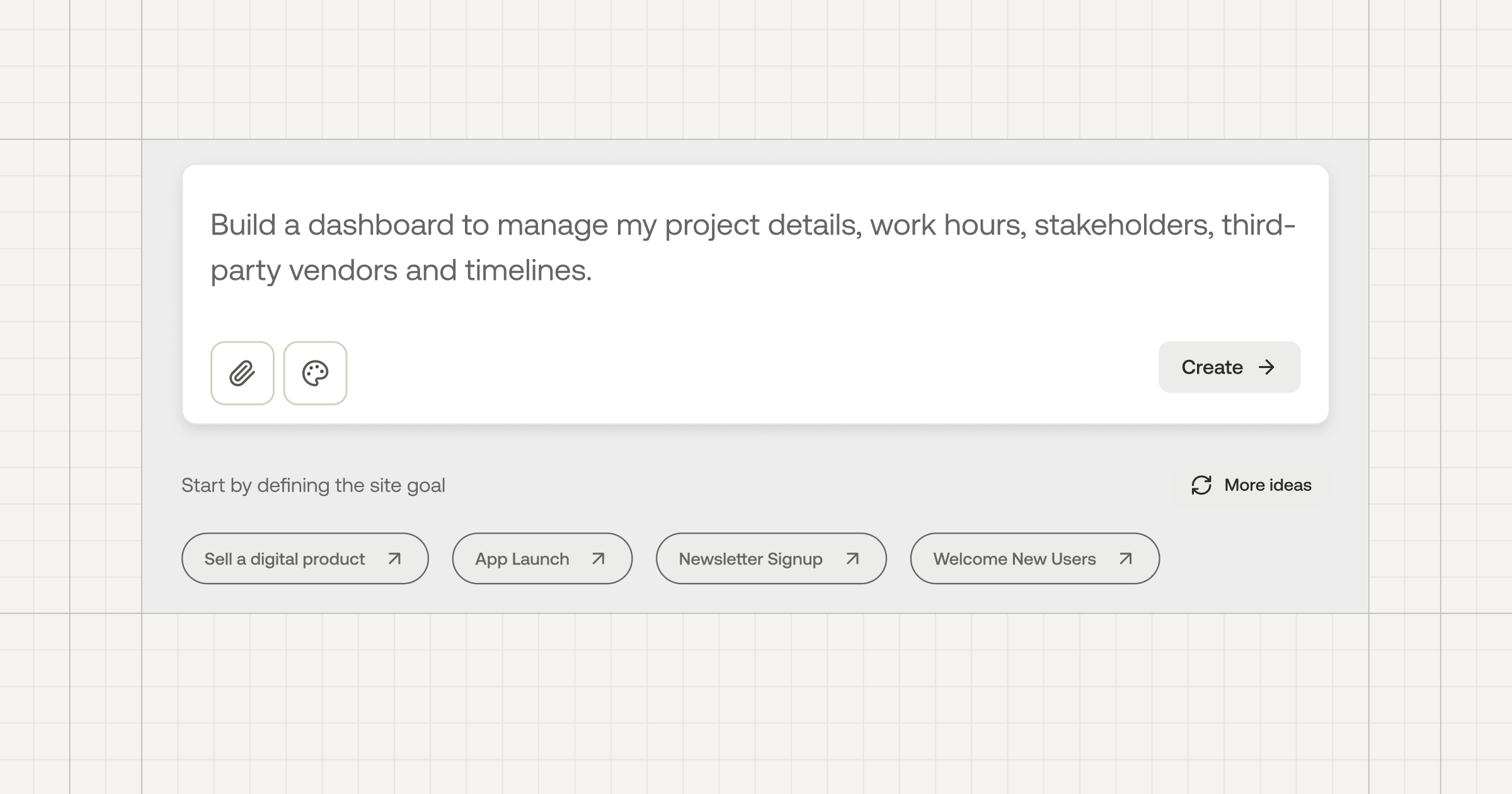
Sticklight is a vibe-coding platform for professional web creators that turns a plain-language prompt into a production-ready website, app, dashboard, CMS, or tool. Rather than selecting a headless CMS and then wiring up a separate frontend to consume it, teams can describe the content structure and interface they need directly, and Sticklight generates the working system around it. For projects already running on WordPress, Sticklight can complement that setup by generating additional tools or dashboards that sit alongside it, and teams using Elementor for page building can pair it with Sticklight-built backend pieces rather than replacing either tool.
Frequently asked questions
What is a headless CMS?
A headless CMS stores and manages content separately from the frontend that displays it, exposing that content through an API such as REST or GraphQL rather than rendering pages itself.
Why do teams look for alternatives to Strapi?
Teams typically compare content platforms based on hosting model, data ownership, admin interface design, and how content schemas are defined, since these factors affect how a project is built and maintained over time.
Do these Strapi alternatives require self-hosting?
Hosting models vary by platform. Directus and KeystoneJS are commonly self-hosted, though Directus also offers a managed cloud option. Payload is self-hosted by default and can also run inside a Next.js application. Sanity relies on its own hosted Content Lake for the data layer.
Can a headless CMS be paired with WordPress or Elementor instead of replacing them?
Some teams run a headless content platform alongside WordPress or Elementor rather than replacing them, using the headless layer for structured content while keeping WordPress for page management.
Where does Sticklight fit among these options?
Sticklight is a vibe-coding platform for professional web creators that turns a plain-language prompt into a production-ready website, app, dashboard, CMS, or tool, and it can complement an existing WordPress or Elementor setup rather than requiring a full platform switch.
Built by the Elementor team. Powered by Claude.
Let it glow.
