
The Best Supabase Alternatives for 2026

Supabase is an open-source backend platform built around a Postgres database, pairing it with authentication, file storage, edge functions, and auto-generated REST and GraphQL APIs. Teams look for a different tool when they want a NoSQL document model instead of a relational one, a single-binary self-hosted server, a GraphQL-first API layer built on Hasura, or a fully managed service from a different vendor.
This guide looks at four commonly considered options: Appwrite, Nhost, PocketBase, and Firebase. Each takes a different approach to backend infrastructure, from self-hosted REST platforms to a fully managed NoSQL cloud service, so the right fit depends on the app’s data model, hosting preferences, and team size.
Appwrite
Appwrite is an open-source backend server that provides authentication, databases, file storage, and serverless functions through REST, GraphQL, and realtime APIs. It is generally used by teams that want to self-host their backend or run it through Appwrite’s own cloud offering, with client SDKs available for web, mobile, and several server-side languages. It includes built-in user management with multiple login methods, a document-based database with defined collections and permissions, and a console for configuring projects and monitoring usage. Check their site for current pricing.
Nhost
Nhost is a backend platform built around a Postgres database paired with a GraphQL API generated directly from the schema, along with authentication, file storage, and serverless functions. It is generally used by teams that want their API layer created automatically as tables change, using Hasura underneath for query and mutation handling, rather than writing individual endpoints by hand. It includes role-based permissions tied to the database schema, a managed Postgres instance, and a dashboard for tracking data, users, and functions in one place. Check their site for current pricing.
PocketBase
PocketBase is an open-source backend packaged as a single executable file, built on top of SQLite. It is generally used by developers who want a self-contained backend with authentication, a file-based database, and file storage that runs on one server without separate services to install or configure. It includes a built-in admin dashboard, realtime subscriptions for data changes, and a REST API generated automatically from defined collections, and it can be extended with Go or JavaScript for custom server-side logic.
Firebase
Firebase is a backend platform, owned by Google, that provides a NoSQL document database called Firestore, an older realtime database, authentication, cloud storage, hosting, and serverless functions through a single console and SDK set. It is generally used by teams that want a fully managed service with client libraries for web, iOS, Android, and several other platforms, without operating their own servers. It includes offline data sync for mobile and web clients, security rules for controlling read and write access at the field level, and integration with other Google Cloud services for analytics and machine learning. Check their site for current pricing.
Where Sticklight fits
Sticklight is a vibe-coding platform for professional web creators, built by the Elementor team. A plain-language prompt turns into a production-ready website, app, dashboard, CMS, or tool, going beyond a single backend service toward a full-stack build that covers the front end and the systems behind it.
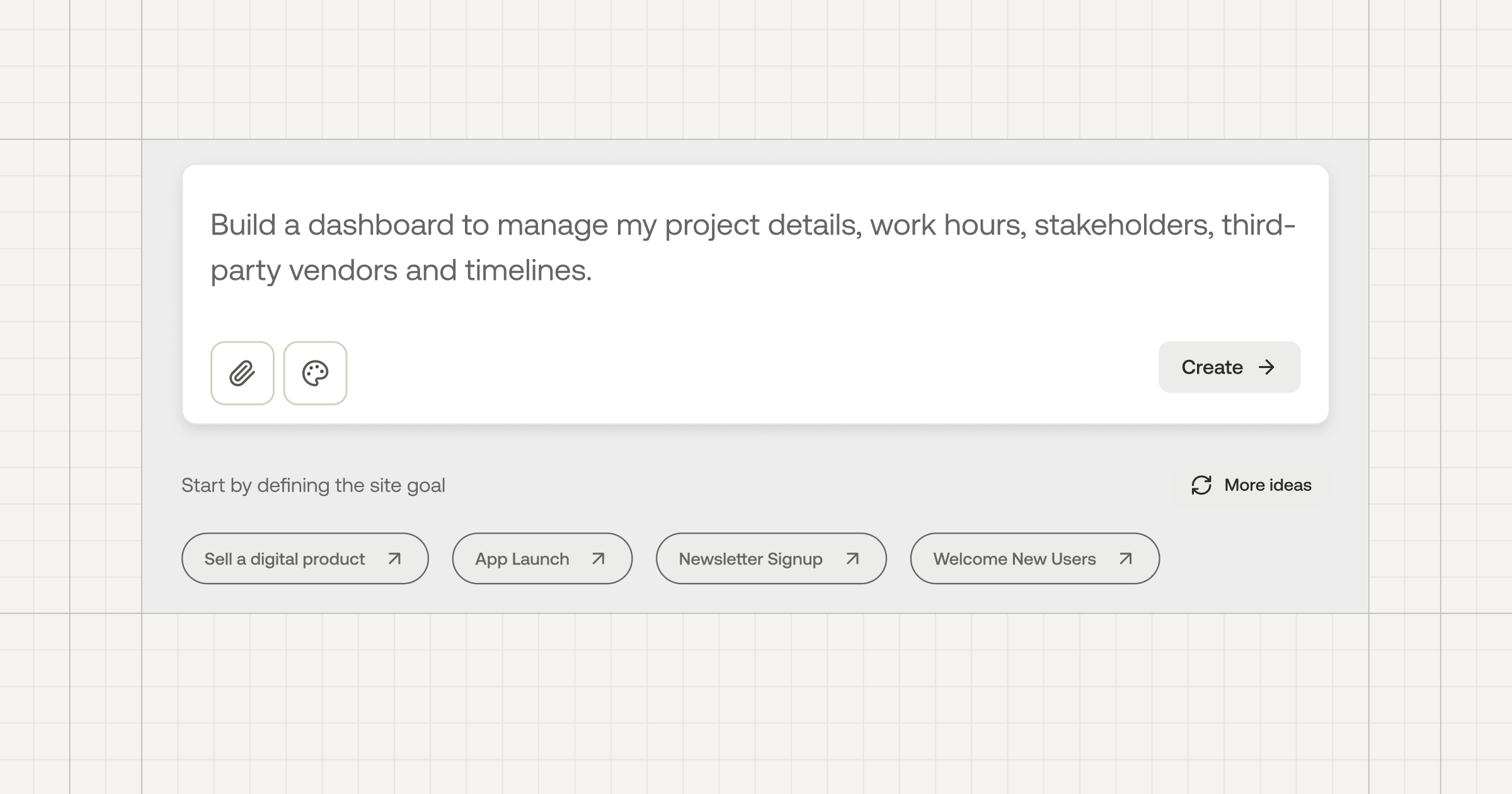
Where a backend platform like the ones above provides the database, authentication, and storage layer for an app someone else still has to build, Sticklight generates the application itself, including a working dashboard, CMS, or internal tool, from a prompt through to a deployable result.
WordPress and Elementor remain part of the picture rather than something to replace. Sticklight adds full-stack building on top of the sites many teams already run on WordPress and Elementor, extending what those foundations can do.
Frequently asked questions
Why do teams look for alternatives to Supabase?
Teams often look for a Supabase alternative when they want a NoSQL document database instead of a relational one, a single-binary self-hosted server, a GraphQL-first API generated from the schema, or a fully managed service from a different vendor.
What does Appwrite provide as a backend platform?
Appwrite provides authentication, databases, file storage, and serverless functions through REST, GraphQL, and realtime APIs, and it can be self-hosted or run through Appwrite’s own cloud offering.
How does Nhost generate its API layer?
Nhost generates a GraphQL API automatically from the Postgres database schema, using Hasura underneath, so tables and their relationships become queryable without writing individual endpoints by hand.
Does PocketBase need a separate database server?
PocketBase runs as a single executable file built on SQLite, so the database, authentication, and file storage all run within that one process without a separate server to configure.
What kind of database does Firebase use?
Firebase stores data in Firestore, a NoSQL document database, alongside an older realtime database, and pairs both with authentication, cloud storage, and hosting through one console.
Built by the Elementor team. Powered by Claude.
Let it glow.
