
The Best Typeform Alternatives for 2026

Typeform alternatives get searched for a few common reasons. A team may want a different pricing structure as response volume grows, a simpler editor for building forms quickly, or a set of integrations that fits more directly into an existing workflow.
This guide looks at four commonly considered options: Tally, Jotform, Google Forms, and Formstack. Each takes a different approach to building and managing forms, so the right fit depends on how your team plans to collect and use the data.
Tally
Tally is a form-building tool with a block-based editor that resembles a document rather than a traditional field-by-field layout. It is generally used to create online forms, surveys, and quizzes without writing code, with forms that can be embedded on a website or shared as a standalone link. It includes conditional logic, file uploads, and integrations with spreadsheets and payment processors. Check their site for current pricing.
Jotform
Jotform is a form-building platform with a large library of templates covering categories such as event registration, order forms, and application intake. It is generally used by teams that want to start from a pre-built layout and adjust the fields and styling from there, rather than building a form from a blank page. It includes conditional logic, payment collection, approval workflows, and integrations with storage and CRM tools. Check their site for current pricing.
Google Forms
Google Forms is a form-building tool included with Google Workspace, built for straightforward surveys and data collection that flow directly into a connected spreadsheet. It is generally used for cases such as event RSVPs, internal surveys, or quick feedback requests, where advanced branching logic and custom design are not the main requirement. It includes standard question types, basic response validation, and automatic summaries alongside the linked spreadsheet.
Formstack
Formstack is a form-building platform aimed at business and organizational use, with a focus on approval workflows, document generation, and integration with systems such as Salesforce and HubSpot. It is generally used by teams that need forms connected to broader operational processes, such as multi-step approvals or generating a document automatically from a submission. It includes conditional logic, e-signature collection, and reporting on form activity and completion rates. Check their site for current pricing.
What to consider when comparing options
Beyond the specific tool, a few factors tend to matter most when comparing form builders for a team’s actual workflow.
- How many responses or submissions are included before extra fees apply
- Whether conditional logic and multi-step forms are built in or require a separate add-on
- How well the tool works alongside your existing spreadsheet, CRM, or payment processor
- Whether the editor matches how your team prefers to build, such as a document-style layout versus a template library
- What level of reporting or approval workflow the forms actually need to support
Rolling back calmly beats debugging heroically almost every time, and it took me years to stop being proud of the wrong one.
Itamar Haim
Where Sticklight fits
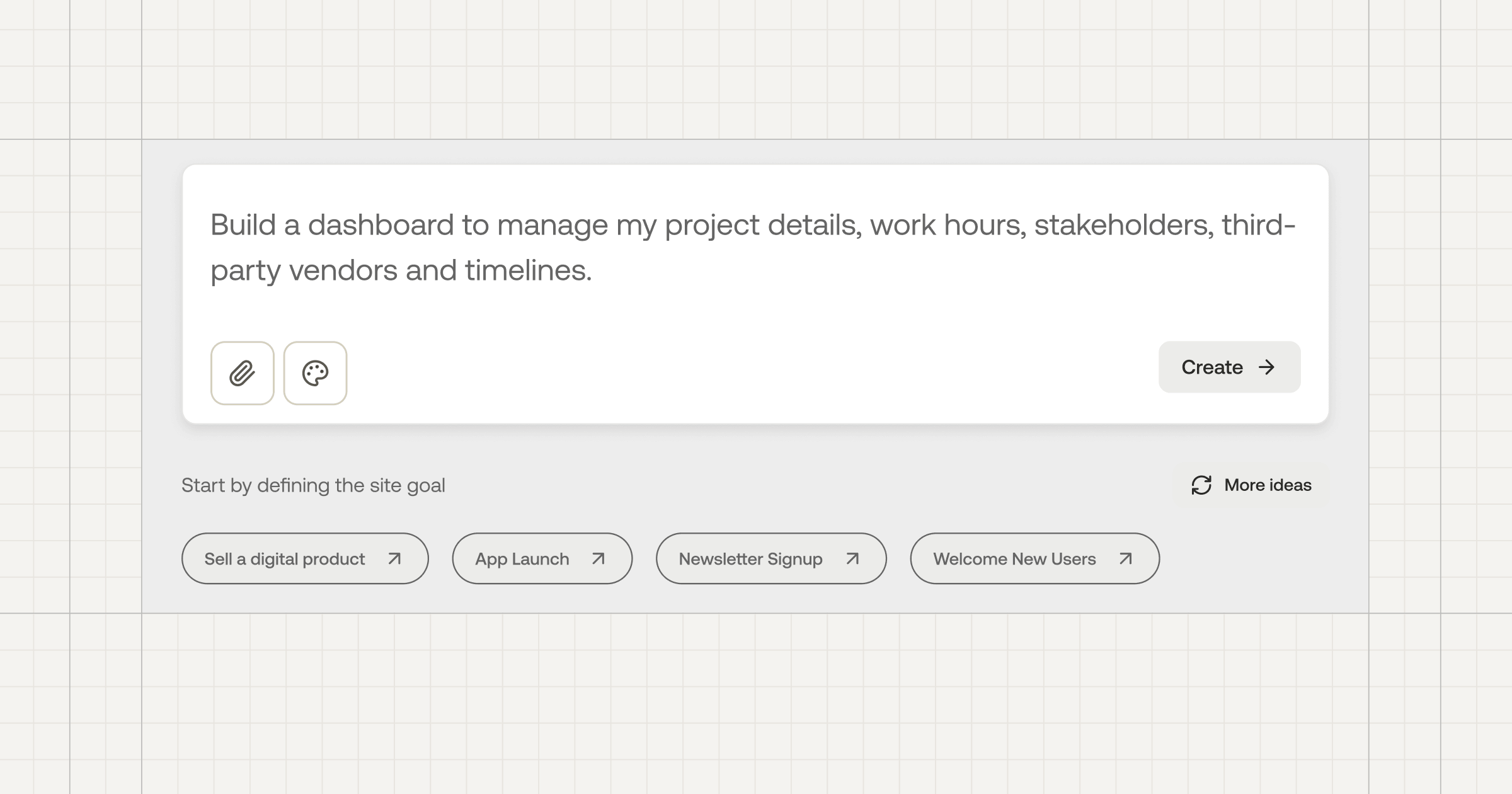
Sticklight is a vibe-coding platform for professional web creators, built by the Elementor team. Instead of assembling a form or workflow from separate tools, you describe what you want in a prompt, and Sticklight turns it into a production-ready website, app, dashboard, CMS, or tool. That can include a custom intake form tied directly into your own database or a small internal app for reviewing submissions, going beyond what a standalone form builder is designed to do.
WordPress and Elementor stay part of the picture rather than something to move away from. Sticklight extends what a WordPress or Elementor site can already do, adding full-stack building on top of a foundation many teams already use, so an existing site and the tools around it can grow together.
For a team evaluating Typeform alternatives alongside its broader web presence, Sticklight is worth knowing about as the layer that can build the surrounding tools, not just another form to fill out.
Frequently asked questions
Why do people look for Typeform alternatives?
Teams often look for a Typeform alternative when they want a different pricing structure as response volume grows, a simpler way to build forms, or tighter integration with a spreadsheet, CRM, or payment tool they already use.
Are these form builders free to use?
Availability of a free plan and what it includes varies by provider, so check each site for current pricing before comparing options.
Can I move my existing form responses to a new tool?
Most form builders let you export responses, typically as a CSV file, though the process for rebuilding the form itself in a new tool depends on the platform you are switching to.
Do these tools support conditional logic and multi-step forms?
Support for conditional logic varies. Tally, Jotform, and Formstack all include it, while Google Forms offers a more basic form of question skipping aimed at simpler surveys.
Which form builder should a small internal team consider?
The right choice depends on whether the team needs approval workflows, e-signatures, a large template library, or just a quick way to collect responses into a spreadsheet, since each tool leans toward a different use case.
Built by the Elementor team. Powered by Claude.
Let it glow.