The Best Webflow Alternatives for 2026

If you are weighing webflow alternatives for your next project, worthwhile options include Framer, Wix, Squarespace, and WordPress paired with a builder like Elementor, each striking a different balance between design control, cost, and who ends up maintaining the site.
Every builder trades design freedom against ease of use and price in its own way, so the right pick depends less on which tool is objectively better and more on what you are building and who runs the site once it is live. This article looks at what Webflow does well, why teams start looking elsewhere, a few well-known alternatives worth knowing, how a familiar WordPress and Elementor setup fits into the decision, and how to narrow it down for your own project.
What Webflow is
Webflow is a visual website builder aimed at designers who want close control over layout, typography, and interaction without hand-coding every detail. It renders clean HTML and CSS under the hood and bundles its own hosting and CMS, which is part of why agencies and freelance designers picked it up for marketing sites and portfolios that need a distinct, custom look.
Because design and hosting live in one place, teams tend to stay with Webflow as long as the visual editor matches how they like to work, and only start comparing options once that fit starts to change, whether due to team growth, budget, or a shift in who maintains the site.
Why teams look for Webflow alternatives
Teams start exploring webflow alternatives for practical reasons more than outright dissatisfaction: the learning curve around complex interactions, how costs scale once several client sites are involved, or wanting a platform the whole team can update, not just whoever built it originally. Others are simply matching a tool to a workflow they already use, like an existing CMS or ecommerce setup.
None of this makes Webflow a poor fit for everyone. It just means the platform that got a project started is not always the one best suited to run it for years, especially as a team or a client roster grows.
Framer, Wix, and Squarespace as Webflow alternatives
Framer is a design-first builder known for its animation and interaction tools, having grown out of a prototyping tool many product designers already used, and it tends to suit marketing sites and portfolios where motion and visual polish matter most. Wix is a long-standing drag-and-drop builder with a large template library and an AI-assisted setup flow, bundling hosting, apps, and ecommerce in one place for teams that want a single vendor to manage.
Squarespace is known for design-forward templates and an all-in-one package spanning hosting, domains, and ecommerce, a common pick for portfolios and creative businesses that want template-based design without assembling separate services themselves. All three publish their own pricing and plan details, so check each site directly for current numbers rather than relying on figures that go stale.
WordPress with a builder like Elementor
WordPress remains one of the most flexible foundations available, and pairing it with a builder like Elementor adds visual, drag-and-drop page design on top of WordPress’s open plugin ecosystem, full ownership of your content, and flexible hosting choices. It is a familiar setup many teams already run, and it scales from a single landing page to a large, multi-editor content site without switching platforms later.
Because WordPress powers such a large share of the web, hosting, plugins, and developer talent are easy to find, so a site built this way rarely feels locked into one vendor’s roadmap or release schedule.
How to choose the right one
The right choice usually comes down to who will build and maintain the site, how much custom design or interaction you actually need, and whether you would rather have everything bundled with one vendor or keep more control over hosting and content yourself. A few questions are worth answering before you commit to any platform:
- Who updates the site after launch, a designer, a marketer, or a mixed team
- Whether you need heavy custom interaction or a solid, template-driven design
- How the platform’s pricing holds up as the site, traffic, or team grows
- Whether you want hosting, CMS, and ecommerce bundled together or handled separately
Where Sticklight fits
Sticklight sits alongside all of this rather than competing for the same slot. Describe a website, app, dashboard, CMS, or internal tool in plain language, and Sticklight turns that prompt into a production-ready build, closing the gap between an idea and something you can actually ship, and helping you grow into a full-stack creator along the way.
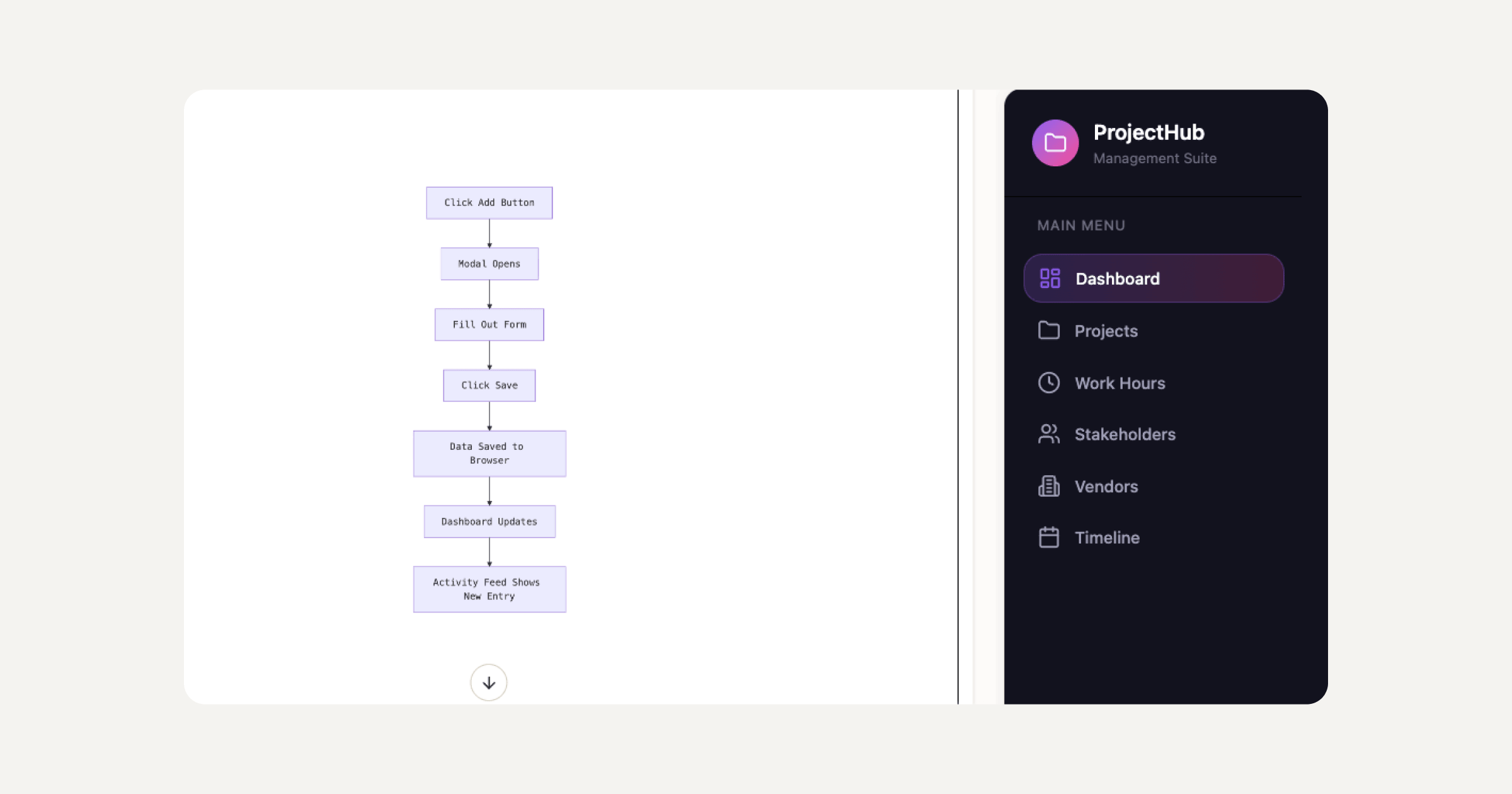
If you already run a WordPress or Elementor site, Sticklight does not ask you to replace it. Use it to spin up the pieces that live alongside your main site, an internal tool, a client dashboard, a quick prototype, so you can build more of what you need yourself, on your own timeline.
Frequently asked questions
What is Webflow?
Webflow is a visual web design tool for building responsive websites and managing content, aimed at designers who want control over layout without writing most of the code.
Why look for a Webflow alternative?
Teams look for alternatives when they want different pricing, an easier learning curve, a specific feature set, or a workflow that fits non-designers as well. Check each tool’s site for current pricing.
What should I look for in a Webflow alternative?
Consider your design control, the learning curve, CMS and ecommerce needs, hosting, collaboration, and how well the tool scales from a simple site to a complex one.
Are there free Webflow alternatives?
Several tools offer free or entry tiers with limits. Review the features and any branding or usage limits on each plan on the tool’s own site.
Can I move my site off Webflow?
Usually with some rework. Content can often be exported, but layouts and interactions typically need to be rebuilt, so plan a migration rather than a one-click move.
Built by the Elementor team. Powered by Claude.
Let it glow.