

The Best Weebly Alternatives for 2026

Weebly is a website builder known for its drag-and-drop editor, built-in hosting, and straightforward setup process. It offers templates for small business, portfolio, and personal sites, along with basic e-commerce tools for selling products online, and it is often used by people who want to get a site live without dealing with separate hosting or plugins. It also includes basic marketing and inventory features for site owners running an online store.
People who use or have considered Weebly sometimes want to compare it with other platforms, whether they are starting a new project, evaluating different design tools, or simply confirming which builder fits their plans for a website or online store. This list looks at four commonly considered alternatives, described here in neutral, factual terms, covering what each one is and what it is commonly used for.
Wix
Wix is a website builder that offers a drag-and-drop editor along with an AI-assisted setup option, a template library, and an app marketplace for extending site functionality. It is commonly used for building small business sites, portfolios, and online stores, and it includes hosting as part of its service.
Wix also provides tools for blogging, appointment booking, and basic marketing features such as email campaigns, which are commonly added on to a site built with the platform. Some users choose Wix for its combination of design templates and built-in business tools available within a single account, alongside options for connecting a custom domain. For current plan options and pricing, check Wix’s website directly.
Squarespace
Squarespace is a website builder known for its template-driven design system, covering layout, typography options, and built-in tools for blogging, portfolios, and online stores. It is commonly used by designers, small businesses, and creatives who want a structured set of templates to build from. Squarespace also includes hosting and domain options as part of its offering.
Squarespace also includes tools for email marketing, basic analytics, and content scheduling, which are commonly used alongside its template system. It is often chosen by people who want a cohesive visual style across their pages without building layouts from scratch. Squarespace is also used by creative professionals such as photographers and artists who want portfolio-style presentation built into the template system. Check Squarespace’s website for current pricing.
GoDaddy
GoDaddy is primarily known as a domain registrar and hosting provider, and it also offers a website builder product with drag-and-drop editing, templates, and basic online store features. It is commonly used by people who want domain registration, hosting, and a website builder in one place.
GoDaddy’s website builder is often used together with its domain and email services, since all three can be managed from the same account. It is commonly chosen by people who are already using GoDaddy for domain registration and want to add a site without setting up hosting separately. GoDaddy’s builder also includes basic scheduling and online store features for accepting orders and payments through the same account. Pricing details are available on GoDaddy’s website.
Jimdo
Jimdo is a website builder that offers both a guided, AI-assisted setup flow and a more manual editor, along with templates for small business sites, portfolios, and online stores. It is commonly used by individuals and small businesses looking for a straightforward way to get a site online without extensive design work.
Jimdo also offers a version aimed at people who want the platform to generate an initial site layout automatically based on a short questionnaire, which can then be edited further. It is commonly used for smaller sites such as personal pages, portfolios, and single-location businesses. Jimdo also provides basic SEO and contact-form tools that are set up automatically as part of the guided setup flow. Current pricing can be found on Jimdo’s website.
Where Sticklight fits
Sticklight works differently from a traditional template-based builder. Instead of starting from a template and customizing it piece by piece, it turns a written prompt into a production-ready website, app, dashboard, or tool built around what was actually described. The output is a working, deployable site generated directly from that prompt, which can then be edited and refined further, in the same way a site built with a template can be adjusted after its initial setup.
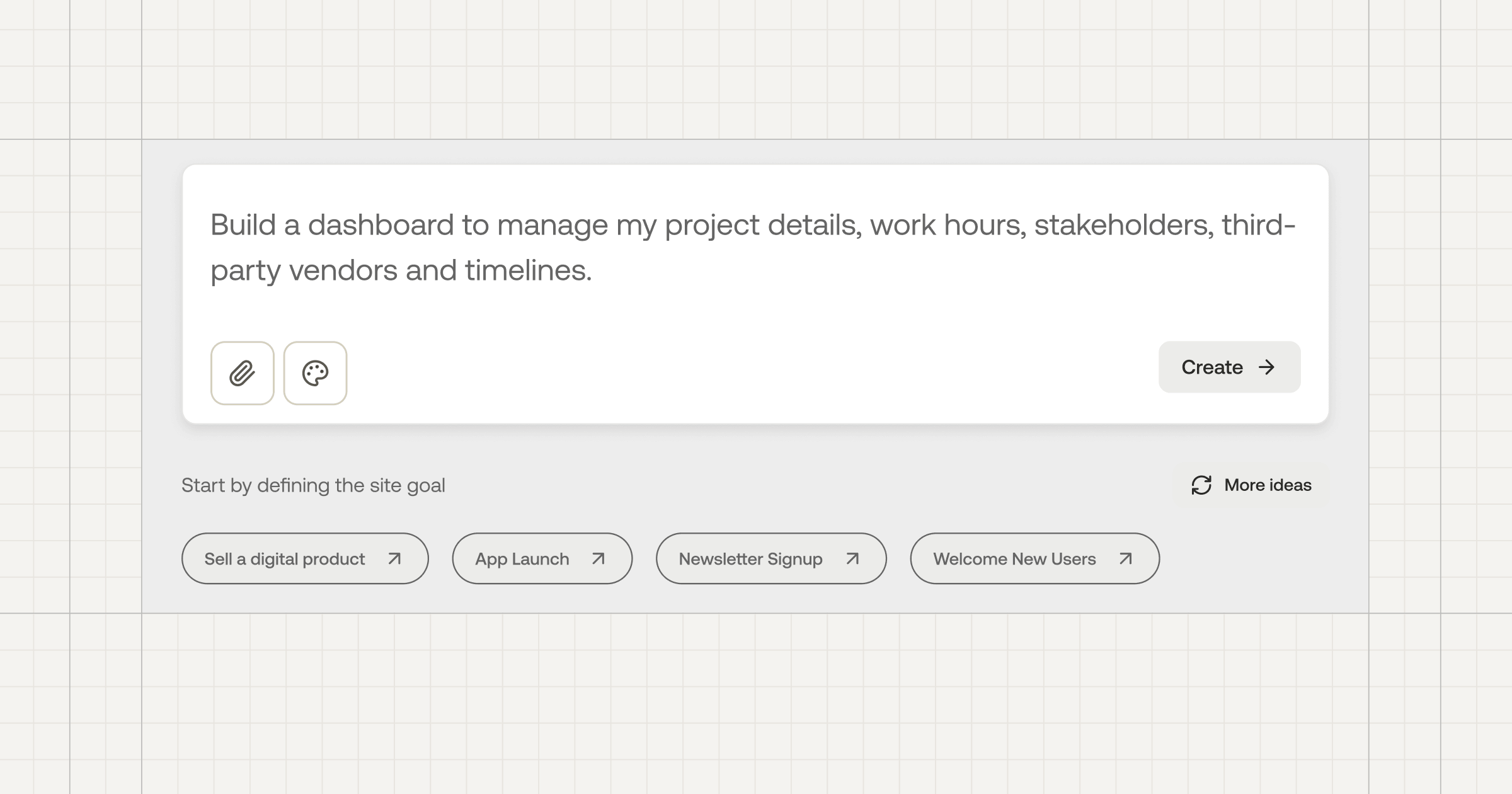
Sticklight was built by the team behind Elementor and is powered by Claude, and it works alongside the broader WordPress and Elementor ecosystem rather than replacing it. For people who already build sites with WordPress and Elementor, or plan to, Sticklight offers another way to start a new project quickly, generating a working site or app from a prompt that can then be refined further.
Frequently asked questions
What is Weebly?
Weebly is a website builder that lets people create sites and online stores using a drag-and-drop editor, often used by small businesses and individuals getting started online.
Why look for a Weebly alternative?
People look for alternatives when they want different pricing, more features, stronger ecommerce, or more design control. Check each tool’s site for current pricing.
What should I look for in a Weebly alternative?
Consider what you are building, ease of use, design flexibility, ecommerce and blogging features, and how well the tool handles growth and publishing.
Are there free Weebly alternatives?
Some builders offer free or trial plans with limits, such as branding or a subdomain. Review what each free plan includes and check the site for current details before you commit.
Can I build a custom site instead of using a drag-and-drop builder?
Yes. Instead of arranging blocks in an editor, some people build a custom site tailored to their exact needs, which modern tools make faster to do from a plain description.
Built by the Elementor team. Powered by Claude.
Let it glow.
