
The Best Wix Alternatives for 2026

Wix is a website builder that lets people create and publish websites using a visual, drag-and-drop editor. It offers templates, hosting, and a range of built-in tools for adding pages, forms, image galleries, and online stores, all without writing code, and it is used by individuals, freelancers, and small businesses across many industries to build sites for a variety of purposes, from personal portfolios to small online shops.
People researching other options are often looking for a different mix of design control, pricing structure, ease of use, or specific features like advanced ecommerce or custom code support. Comparing tools side by side helps match the platform to the type of site being built, whether that is a portfolio, a blog, an online store, or a marketing site.
Squarespace
Squarespace is a website builder that provides pre-designed templates, a visual editor, and integrated hosting in a single platform. It includes tools for blogging, basic online stores, scheduling, and email marketing, all managed from one dashboard. The platform is generally known for its template library and its focus on visual presentation for content-driven sites. Check their site for current pricing.
Squarespace tends to attract designers, photographers, creative professionals, and small business owners who want a polished visual layout without extensive customization. It is often chosen for portfolio sites, restaurants, and service-based businesses that prioritize design consistency over deep technical control. Agencies and freelancers sometimes use it for client projects that need a straightforward build and launch process.
Webflow
Webflow is a website builder that combines a visual design canvas with underlying code output, giving users more direct control over layout, spacing, and interactions than typical drag-and-drop tools. It includes a CMS for structured content, hosting, and options for adding custom code. Check their site for current pricing.
Webflow is generally known among designers and front-end developers for its combination of visual tools and exportable, semantic HTML and CSS. It tends to be used by design agencies, marketing teams, and freelance designers who want detailed control over layout and interactions, and by teams that maintain a content-managed site with custom visual requirements.
Framer
Framer is a website builder built around a design-first, component-based canvas, originally rooted in interactive prototyping. It lets users build pages visually while incorporating animations, interactions, and responsive layouts, and it includes hosting and a CMS for blog or content sections. Check their site for current pricing.
Framer tends to be used by product designers, startups, and marketing teams that want to launch a visually distinctive site quickly, often working from Figma-style design concepts. It is also associated with design portfolios and landing pages where motion and interactive detail are a priority.
Weebly
Weebly is a website builder with a drag-and-drop editor aimed at straightforward site setup, and it now operates as part of Square. It offers templates, basic ecommerce features, and hosting bundled together, with an emphasis on simplicity for small sites. Check their site for current pricing.
Weebly tends to be used by small business owners, sole proprietors, and people setting up a first website who want basic ecommerce tied to a broader payments and point-of-sale ecosystem. It is often chosen for simple brochure sites and small online stores rather than highly customized designs.
How to choose
The right platform depends on what you are building and how much control you want over design. A simple brochure site has different needs than an online store, a blog with frequent posts, a membership site, or a highly custom marketing site with unique interactions. Some tools favor speed and ease of use, while others give more room to fine-tune layout, spacing, typography, and interactions at the cost of a steeper learning curve.
It also helps to think about where the site needs to grow. Consider whether you will need advanced ecommerce, a content-managed blog, multiple contributors, or integrations with other tools down the line. Weighing ease of use against how well the platform fits future plans, and matching it to the specific type of site, generally leads to a better fit than choosing based on popularity alone.
Where Sticklight fits
Sticklight is a vibe-coding platform built by the Elementor team that turns a written prompt into a production-ready website or app. Rather than starting from a template and adjusting sections by hand, it generates a working site directly from a description of what is needed, then lets that output be refined further.
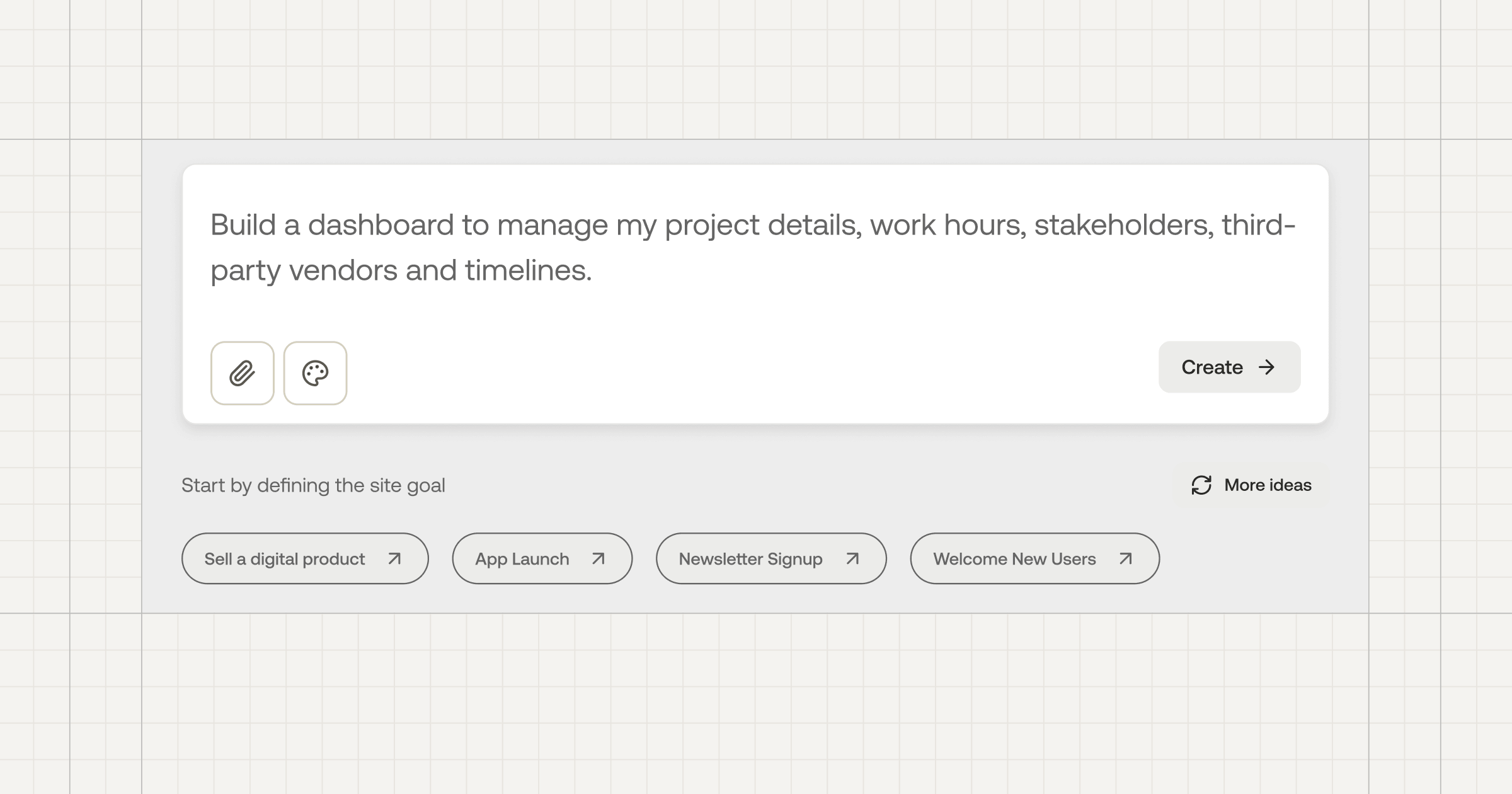
For teams that already build with the tools above, Sticklight is additive rather than a replacement, useful when someone wants a custom starting point generated from a prompt instead of a template. It also connects to the Elementor and WordPress ecosystem for teams already working in that environment, extending rather than replacing existing workflows.
Frequently asked questions
What is Wix?
Wix is a website builder that lets people create sites using a drag-and-drop editor and templates, aimed at users who want to build a site without writing code.
Why look for a Wix alternative?
People look for alternatives when they want different pricing, more design control, specific features, or a workflow that fits their project better. Check each tool’s site for current pricing.
What should I look for in a Wix alternative?
Consider what you are building, how much design control you need, ease of use, ecommerce or blogging features, how it handles growth, and whether you want a visual editor or a more custom approach.
Are there free Wix alternatives?
Some builders offer free or trial plans with limits, such as branding or a subdomain. Review what each free plan includes and check the site for current details before you commit.
Can I build a custom site instead of using a template builder?
Yes. Instead of adapting a template, some people build a custom site tailored to their exact needs, which modern tools make faster to do from a plain description.
Built by the Elementor team. Powered by Claude.
Let it glow.