
Bilt vs Budibase: a factual side-by-side for app builders

Bilt and Budibase solve two different problems. One turns a prompt into a native mobile app codebase, the other is a low-code platform for building business web applications and automations. Before you pick one, it helps to know what each tool actually produces.
Here’s what each tool does, what it costs, and where a broader platform like Sticklight fits if you need more than a single mobile app or one internal tool.
- Bilt turns natural-language prompts into a React Native and Expo mobile app codebase, built for non-technical founders shipping a phone app.
- Budibase is a low-code platform for business web apps and automations, running on its own data model or connected to external data sources.
- Bilt publishes directly to the Apple App Store and Google Play. Budibase runs as a cloud service or a self-hosted open-source deployment.
- Bilt’s paid plans start at €15/month introductory. Budibase’s paid plans start at $19/month, and a free self-hosted open-source edition is available.
- Sticklight is a separate option if you want production-ready websites, apps, dashboards, CMS, and internal tools from one prompt. It’s built by the Elementor team and works alongside your WordPress or Elementor stack.
What Bilt is built for.
Bilt is an AI prompt-based platform that turns natural-language descriptions into a React Native and Expo mobile app codebase. It’s built for non-technical founders who want to build and publish a mobile app without hiring a development team. The platform streams a live app preview straight to your phone, so you can test the build without Xcode or a Mac.
Bilt supports one-click publishing to both the Apple App Store and Google Play, and it exports to GitHub if you want to take the generated codebase further. Usage runs on a token or credit system, with one-time top-up purchases available in 5M, 10M, and 20M token blocks. Bilt’s public pages don’t detail the specific backend or data-store options behind a generated app.
What Budibase is built for.
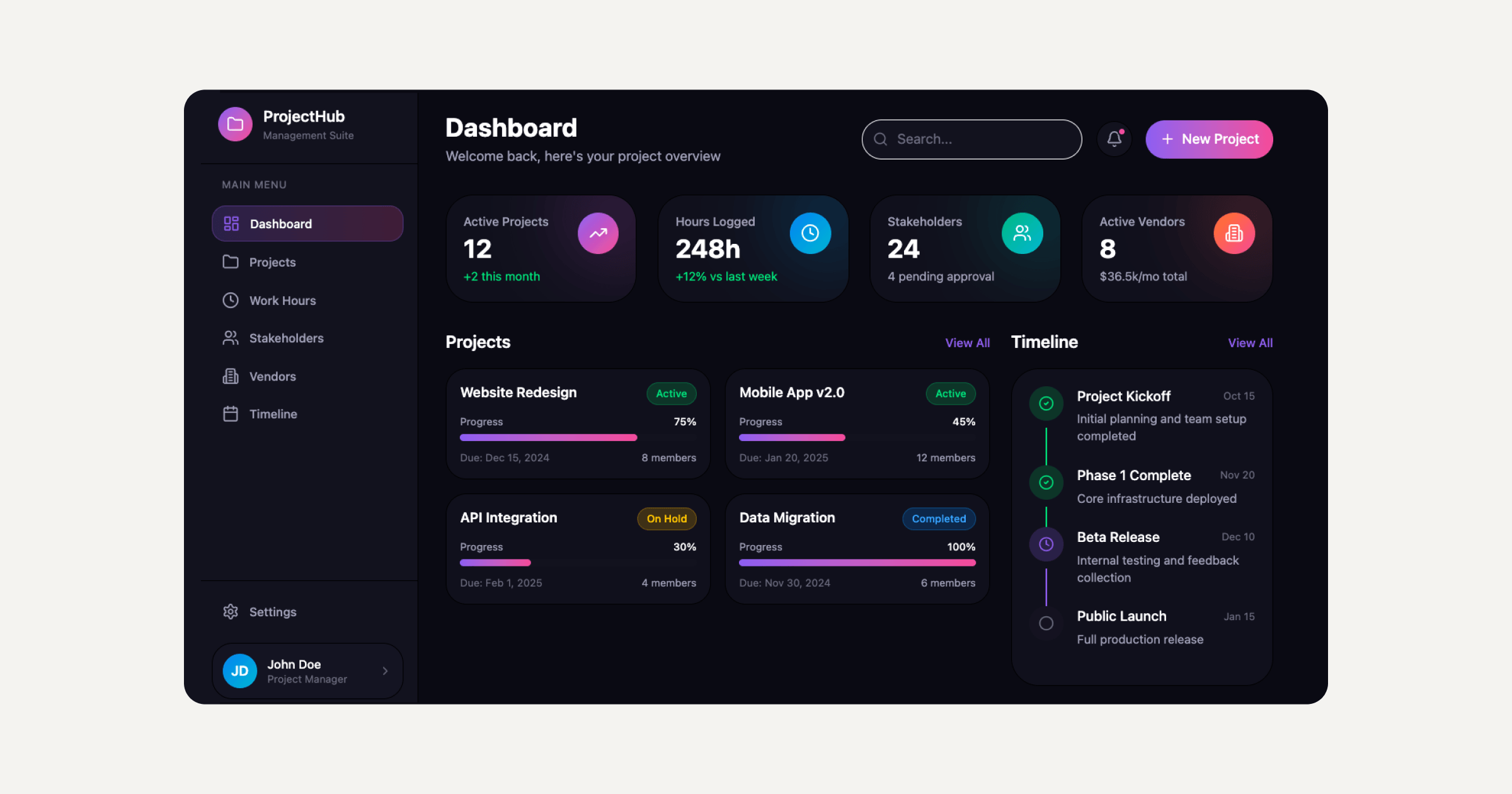
Budibase is a low-code platform for building business web applications and automations. It runs on a built-in data source called Budibase DB, and it also connects to external data sources such as SQL databases and REST APIs. That makes it suited to teams building internal tools, admin panels, or workflow automations on top of existing company data, rather than shipping a consumer-facing mobile app.
Budibase includes AI credit allotments on its paid tiers for building configurable AI agents, and it offers a self-hosted open-source edition that runs separately from its cloud plans. Row limits on stored data scale by plan, from tens of thousands of rows up to 500,000 on higher cloud tiers, with no stated limit on enterprise or self-hosted deployments. Single sign-on becomes available starting on the Premium plan.
Bilt vs Budibase at a glance.
| Dimension | Bilt | Budibase | Sticklight |
|---|---|---|---|
| What it is | AI prompt-based mobile app generator | Low-code platform for business web apps and automations | Vibe-coding platform that turns a prompt into production-ready websites, apps, dashboards, CMS, and internal tools |
| Output | React Native and Expo mobile app codebase | Web applications and automations on an internal data model or external sources | Production-ready full-stack sites, apps, dashboards, CMS, and internal tools |
| Backend / data | Not detailed on Bilt’s public pages beyond the generated React Native and Expo code | Built-in Budibase DB, plus external SQL databases and REST APIs | Additive to a WordPress or Elementor stack rather than a standalone backend |
| Publish / hosting | One-click publishing to Apple App Store and Google Play; export to GitHub | Cloud-hosted, or self-hosted via the open-source edition | Publish included as part of the prompt to build to publish flow |
| Best for | Non-technical founders building and shipping a single mobile app | Teams building internal business apps and workflow automations | Professional creators wanting full-stack output across sites, apps, and tools from one prompt |
| Entry pricing | Free plan (€0/month); Professional from €15/month introductory | Free self-hosted open-source edition; Pro from $19/month | Additive to your WordPress/Elementor stack |
Pricing in detail.
Bilt prices in euros. The Free plan runs €0 per month. Professional starts at €15/month introductory, rising to €25/month standard. Professional Plus starts at €30/month introductory, rising to €50/month standard. An Enterprise tier is available at custom, quote-based pricing.
Budibase prices in US dollars. The Open Source self-hosted edition is free for a single workspace. Pro is $19/month and includes 5,000 to 10,000 actions. Premium is $49/month and includes 20,000 to 50,000 actions. Business is $299/month and includes 250,000 actions. Both cloud and self-hosted Enterprise tiers are available at custom pricing. Sticklight pricing isn’t covered here; check Sticklight’s site for current plan details.
Where Sticklight fits in.
Bilt and Budibase each focus on a narrower problem: Bilt on a single mobile app, Budibase on internal business applications tied to a data model. Sticklight starts from the same place, a natural-language prompt, but produces a broader range of production-ready output: websites, apps, dashboards, CMS, and internal tools, with publishing built into the same flow.
Sticklight is built by the Elementor team and works alongside WordPress and Elementor rather than requiring a rebuild. If you expect to need more than one type of output over time, say a marketing site today and an internal dashboard later, that breadth is the practical difference from a single-purpose generator like Bilt or a business-app builder like Budibase. AI agents are coming soon to Sticklight, not a shipped feature today.
Half the value of building fast is that you get to be wrong quickly and cheaply, then fix it before anyone’s invested too much in the wrong path.
Itamar Haim
Frequently asked questions
What’s the main difference between Bilt and Budibase?
Bilt generates a React Native and Expo mobile app codebase from a prompt and publishes it to app stores. Budibase is a low-code platform for building business web applications and automations on top of an internal or external data model. They target different outputs: a mobile app versus an internal business tool.
Are Bilt or Budibase free to use?
Yes, both offer a free option. Bilt has a Free plan at €0 per month with a monthly AI credit allotment. Budibase has a free, self-hosted, open-source edition for a single workspace. Both also offer paid tiers with higher usage caps.
How do Bilt and Budibase compare on hosting and publishing?
Bilt publishes generated apps directly to the Apple App Store and Google Play with one click, or exports the codebase to GitHub. Budibase runs as a cloud service or as a self-hosted deployment through its open-source edition.
Where does Sticklight fit compared to Bilt vs Budibase?
Sticklight is a separate option built for creators who want production-ready output across websites, apps, dashboards, CMS, and internal tools from a single prompt, with publishing included and the ability to work alongside an existing WordPress or Elementor site.
Can I use Sticklight alongside WordPress or Elementor?
Yes. Sticklight is built by the Elementor team and works alongside WordPress and Elementor rather than replacing your existing setup.
Built by the Elementor team. Powered by Claude.
Let it glow.
