
Blink vs Bubble: AI app generation compared to visual no-code building

Blink and Bubble solve the same problem from opposite directions: one generates a full-stack application from a prompt, the other hands you a visual canvas and lets you assemble the app yourself. Both end with the same result, a working web application, built and hosted, but the path there looks nothing alike.
This page compares what each platform actually does and how each prices its plans, based on their published sources, then looks at where Sticklight fits as a third option for professional web creators.
- Blink generates a full-stack application, including the database, authentication, and APIs, directly from a natural-language prompt. Bubble is a visual editor: you assemble the app yourself with a drag-and-drop interface, a hosted database, and a workflow engine.
- Blink’s pricing is published and verified: a Free plan at $0/month with 5 daily refresh credits capped at 30/month, a Starter plan at $25/month ($21/month billed annually), a Pro plan at $50/month ($42/month billed annually), a Max plan from $200/month, and a Team plan from $40/seat.
- Bubble’s official pricing page renders its plan grid client-side, and the figures could not be independently confirmed from the primary source, so check their site for current pricing.
- Blink meters usage in generation credits; Bubble meters usage in Workload Units (WU) on its current plans.
- Bubble does not offer code export; apps stay hosted on Bubble’s own infrastructure.
- Sticklight, built by the Elementor team and powered by Claude, is a third option for professional creators who want production-ready output, sites, apps, dashboards, and tools, from one prompt with full manual control after the build.
What Blink is
Blink is an AI platform that generates full-stack applications, frontend, backend, database, and authentication, from natural-language descriptions, then hosts the result. It ships an AI model gateway with access to 200+ AI models through a single API, plus “Blink Claw,” an always-on agent feature built for tasks like customer support or marketing.
Other listed features include 3,000+ built-in integrations (Stripe, Slack, Gmail, Notion, and others), real-time collaboration with WebSocket support, global hosting with free SSL, CDN, custom domains, and auto-scaling, and React Native support for mobile apps. Blink auto-provisions a database, authentication, and APIs for each generated app; the default database technology isn’t disclosed on its pricing page.
What Bubble is
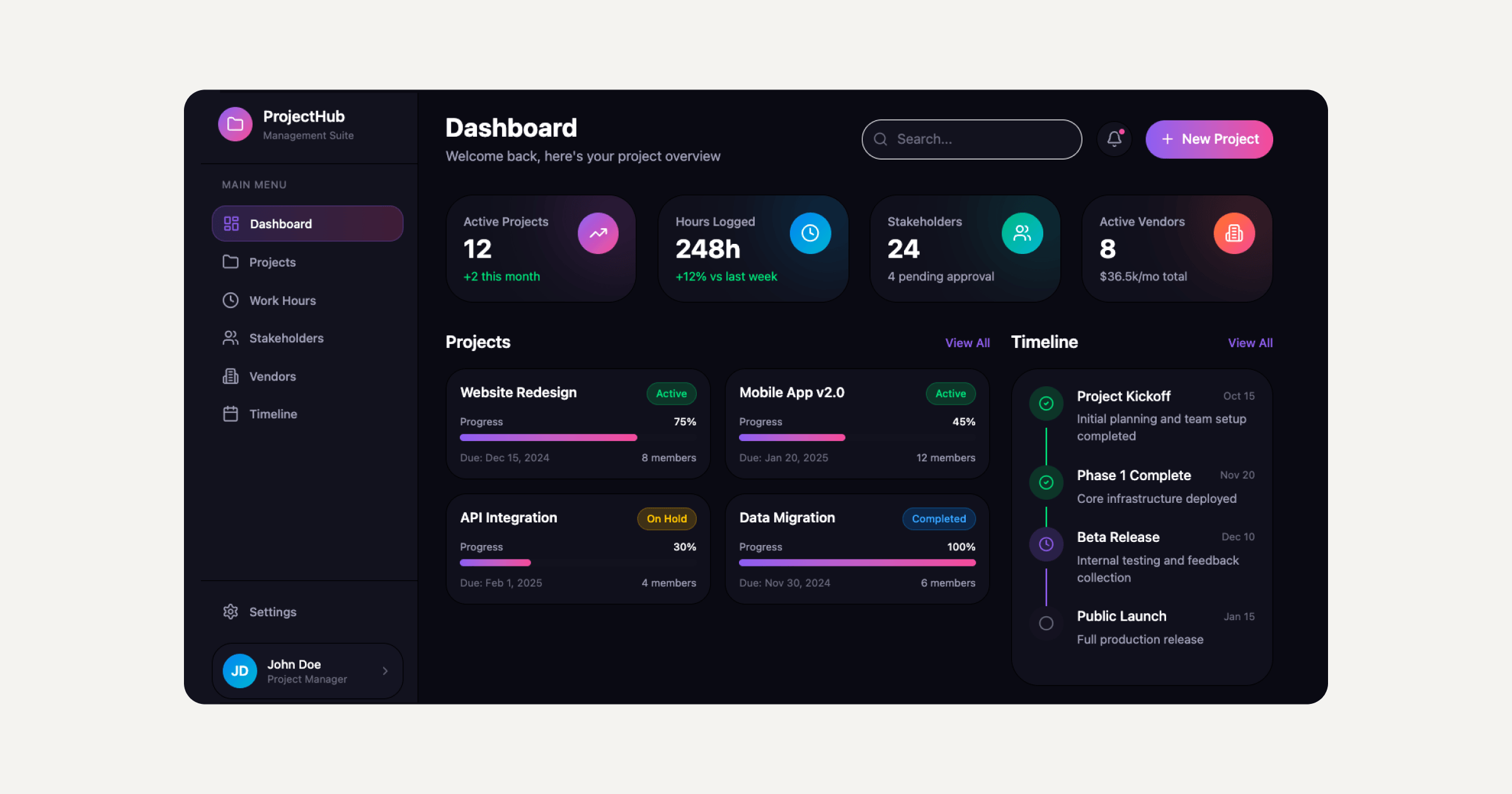
Bubble is a browser-based visual development platform for building multi-user web applications. It pairs a drag-and-drop UI editor with a pixel-based, responsive layout engine, a built-in hosted database for defining data types and relationships, and a Visual Workflow Engine for backend logic, scheduled events, and API-triggered actions.
Bubble also runs a Plugin Marketplace for third-party plugins covering payments, email, maps, and AI integrations, plus a built-in API Connector for calling external REST APIs. Apps stay hosted on Bubble’s own infrastructure, with no code export offered. Bubble outputs web applications; native mobile app store builds need a third-party wrapper. Current plans bill usage in “Workload Units” (WU).
How Blink and Bubble build applications
The core difference comes down to where the work happens. Blink starts from a prompt: you describe the application, the platform generates the frontend, backend, database, and hosting together, and you keep prompting to iterate from there. Bubble starts from a canvas: you build the interface, data structure, and workflow logic yourself, using its visual editor and workflow engine, with plugins available to extend what it does.
Both platforms host the finished application on their own infrastructure rather than handing you a codebase to deploy elsewhere. Blink adds an AI model gateway and a large integration catalog as part of the generated app; Bubble adds a plugin marketplace and a workflow engine built specifically for visual, no-code logic.
Blink vs Bubble at a glance
| Dimension | Blink | Bubble | Sticklight |
|---|---|---|---|
| What it is | AI platform that generates full-stack apps from a prompt | Browser-based visual development platform for web apps | AI-native vibe-coding platform for professional web creators |
| Output | Full-stack web app: frontend, backend, database, hosting generated together | Web application built via drag-and-drop editor and visual workflows; native mobile needs a third-party wrapper | Production-ready websites, landing pages, apps, dashboards, CMS, and internal tools from one prompt-first flow |
| Backend / data | Auto-provisions database, authentication, and APIs per app; default database technology undisclosed | Built-in hosted relational database with defined data types and relationships | Builds database-backed apps, CMS, forms, and tools as part of the same Prompt, Build, Publish flow |
| Publish / hosting | Global hosting included: free SSL, CDN, custom domains, auto-scaling | Hosted on Bubble’s own infrastructure; no code export offered | Publish includes built-in SEO, a security scan on every build, custom domain connection, and app hosting |
| Best for | Teams wanting an AI-generated full-stack app with a built-in AI model gateway and pre-built integrations | Teams building multi-user web apps visually, without writing code, using a plugin ecosystem | Professional creators (agencies, freelancers, studios) wanting production-ready output across sites, apps, dashboards, and tools, with full control after the build |
| Entry pricing | Free plan, $0/month, 5 daily refresh credits capped at 30/month | check their site for current pricing | Additive to your WordPress/Elementor stack |
Blink vs Bubble pricing
Blink publishes exact figures on its pricing page. The Free plan runs $0/month with 5 daily refresh credits capped at 30/month. Starter is $25/month, or $21/month billed annually, with 100 credits plus a daily refresh. Pro is $50/month, or $42/month billed annually, with 200 credits plus a daily refresh. Max starts from $200/month, or from $167/month billed annually, with 800+ credits plus a daily refresh. Team starts from $40/seat per month, with a shared credit pool and role-based access.
Bubble’s pricing page renders its plan grid dynamically, and the specific figures couldn’t be independently confirmed from the primary source at the time of writing. Third-party trackers report a range of numbers for Bubble’s tiers, but since none of them is the official source, no price is stated here. Check their site for current pricing before you decide between the two.
Where Sticklight fits as a third option
Sticklight is the vibe-coding platform for professional web creators, built by the Elementor team and powered by Claude. It follows a Prompt, Build, Publish flow: a prompt produces production-ready output, from websites and landing pages to apps, dashboards, CMS, and internal tools, and you keep full manual control to edit every detail after the build.
Compared with Blink, which focuses on generating a full-stack app with its own AI model gateway and integration catalog, Sticklight generates across a wider surface, websites, apps, dashboards, CMS, and tools, from the same prompt-first flow, and sits alongside an existing WordPress or Elementor stack rather than standing in as a hosted app platform on its own. Compared with Bubble, where you assemble logic and layout by hand, Sticklight is AI-native: natural language is the primary way to start a build, with manual editing available afterward for full control. If you’re a professional creator, agency, or studio comparing Blink and Bubble, Sticklight is worth putting on the shortlist too, especially if you want production-ready output across more than one type of surface without leaving your existing WordPress and Elementor workflow.
What keeps me grounded is remembering that behind every feature request is a person trying to keep their business afloat.
Itamar Haim
Frequently asked questions
What’s the main difference between Blink and Bubble?
Blink generates a full-stack application, including the database, authentication, and backend, directly from a natural-language prompt, and adds an AI model gateway with access to 200+ models. Bubble is a visual development platform: you assemble the application yourself using a drag-and-drop editor, a hosted database, and a visual workflow engine, rather than generating it from a prompt.
Do Blink or Bubble offer a free plan?
Yes for Blink: its Free plan is $0/month with 5 daily refresh credits capped at 30/month, according to Blink’s own pricing page. Bubble’s pricing page renders its plan grid dynamically, and the figures couldn’t be independently confirmed from the primary source, so check their site for current pricing.
How is usage billed on Blink versus Bubble?
Blink meters usage in generation credits, with each paid plan including a set number of credits plus a daily refresh. Bubble meters usage in “Workload Units” (WU) on its current plans.
Can I export the code from a Blink or Bubble app?
No. Bubble does not offer code export; applications stay hosted on Bubble’s own infrastructure. Blink’s published feature list doesn’t describe a code-export option either, with hosting handled on its own global infrastructure.
Is Sticklight worth comparing alongside Blink and Bubble?
Yes. Sticklight is built for professional web creators who want production-ready output, websites, apps, dashboards, CMS, and internal tools, from one prompt, with full manual control after the build. It’s built by the Elementor team and powered by Claude, and works alongside WordPress and Elementor rather than replacing them, so it’s worth evaluating alongside both Blink and Bubble.
Built by the Elementor team. Powered by Claude.
Let it glow.