Blink vs Budibase: comparing the two app builders

Comparing Blink and Budibase means comparing two different ways to skip hand-coding software: one generates a full-stack application from a prompt, the other assembles business apps and automations on a low-code data model. Both get you working software without writing every layer yourself, but they start from different premises and serve different jobs.
Here’s what each tool actually does, what it costs, and where a professional web creator building production-ready sites and apps might look instead at Sticklight.
- Blink builds full-stack applications, frontend, backend, database, and authentication, from a natural-language description, hosting included.
- Budibase is a low-code platform for business web applications, admin panels, and automations, available as a cloud service or a self-hosted open-source edition.
- Blink’s plans start with a free tier (5 daily refresh credits, capped at 30 a month) and go up to a Max plan starting at $200 a month; Budibase’s self-hosted edition is free, with cloud plans starting at $19 a month.
- Budibase connects to its internal “Budibase DB” or to external SQL databases and REST APIs; Blink auto-provisions a database, authentication, and APIs for each app it generates.
- Sticklight, built by the Elementor team and powered by Claude, turns a prompt into production-ready websites, apps, dashboards, CMS, and internal tools, and works alongside your existing WordPress or Elementor stack instead of replacing it.
What Blink does
Blink is an AI platform that builds full-stack applications, frontend, backend, database, and authentication, from a natural-language description. It includes an AI Gateway that gives you access to more than 200 AI models through one API, plus a feature called “Blink Claw” for always-on agents that handle tasks like customer support or marketing. Blink also ships with more than 3,000 built-in integrations covering tools like Stripe, Slack, Gmail, and Notion, along with real-time collaboration through WebSocket support and React Native support for mobile apps. Hosting is included, with free SSL, a CDN, custom domains, and auto-scaling. Blink doesn’t publicly disclose the specific default database technology behind its auto-provisioned backend.
What Budibase does
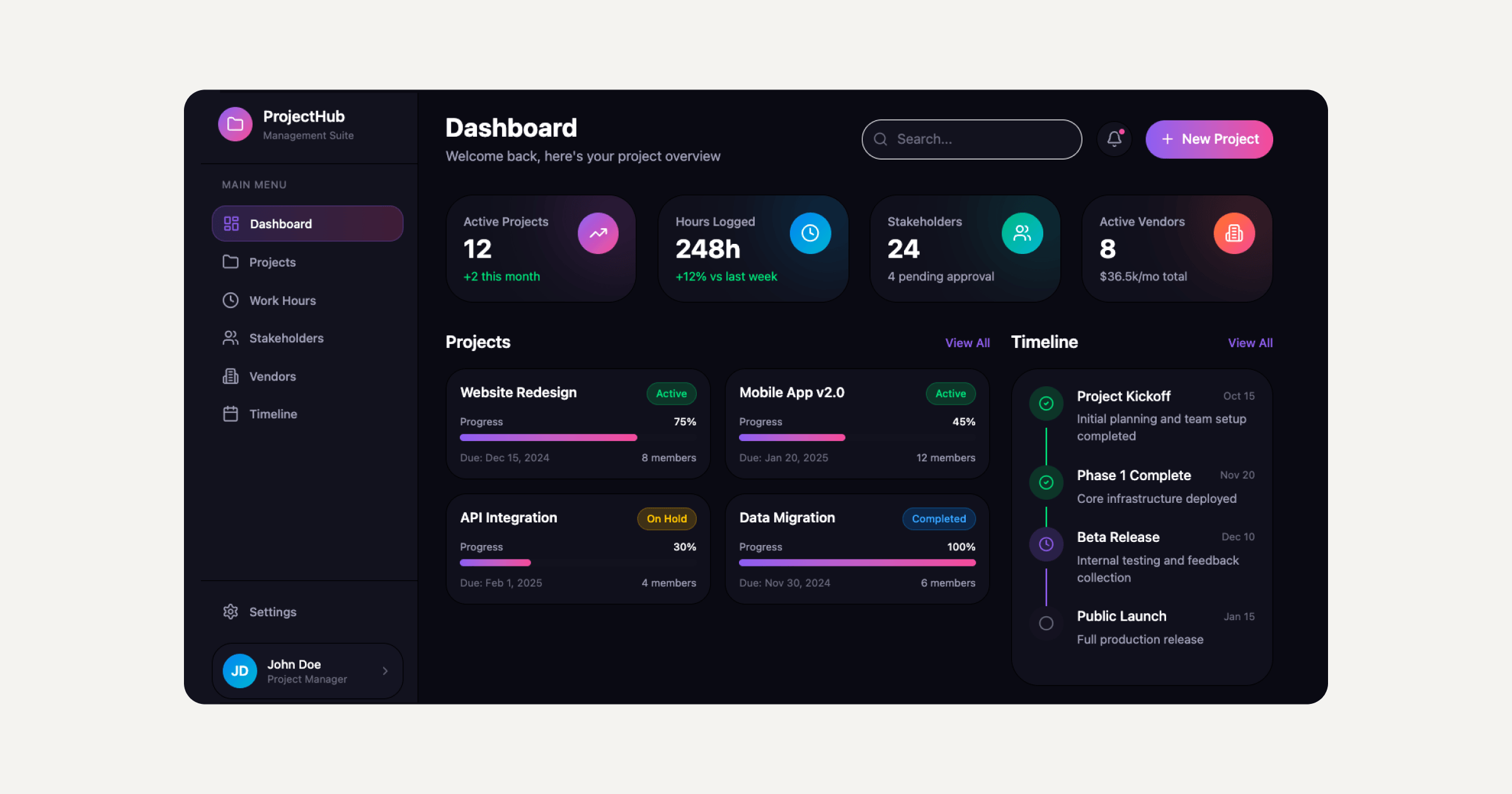
Budibase is a low-code platform for building business web applications and automations. It ships with its own internal data source, Budibase DB, and also connects to external data sources like SQL databases and REST APIs. Row-limit caps scale by plan, from tens of thousands of rows up to 500,000 on higher cloud tiers, with no limit on enterprise or self-hosted deployments. Paid tiers include AI credit allotments ranging from 2,000 to 50,000 depending on plan, and you can build AI agents with configurable instructions and tools. A self-hosted open-source edition is available separately from the cloud plans, and single sign-on becomes available starting on the Premium plan.
Blink vs Budibase at a glance
| Dimension | Blink | Budibase | Sticklight |
|---|---|---|---|
| What it is | An AI platform that builds full-stack applications from natural-language descriptions | A low-code platform for building business web applications and automations | A vibe-coding platform that turns a prompt into production-ready websites, apps, dashboards, CMS, and internal tools |
| Output | Full-stack apps with frontend, backend, database, and authentication generated together | Business apps, admin panels, and automations built on an internal or external data model | Production-ready sites, apps, dashboards, CMS, and internal tools from a single prompt |
| Backend / data | Auto-provisions a database, authentication, and APIs per generated app; specific default database not disclosed | Built-in Budibase DB plus support for external SQL databases and REST APIs | Generates its own production backend as part of the prompt-to-publish flow |
| Publish / hosting | Global hosting included, with free SSL, CDN, custom domains, and auto-scaling | Cloud hosting on paid plans, or self-hosted deployment on the open-source edition | Publish is included in the Prompt, Build, Publish flow, additive to an existing WordPress or Elementor site |
| Best for | Teams wanting AI-generated full-stack apps with a large library of third-party integrations and always-on agents | Teams building internal business apps, admin tools, or automations, including those who want a self-hosted option | Professional creators wanting production-ready full-stack output that adds onto an existing WordPress or Elementor workflow |
| Entry pricing | Free plan at $0/month with 5 daily refresh credits, capped at 30/month | Open Source (Self-Hosted) plan is free, for 1 workspace | Additive to your WordPress/Elementor stack |
Pricing for Blink and Budibase
Blink’s paid tiers run Starter at $25 a month ($21 a month billed annually) with 100 credits plus a daily refresh, Pro at $50 a month ($42 a month billed annually) with 200 credits, Max starting from $200 a month (from $167 a month billed annually) with 800 or more credits, and Team from $40 per seat per month with a shared credit pool and role-based access.
Budibase’s paid cloud tiers are Pro at $19 a month with 5,000 to 10,000 included actions, Premium at $49 a month with 20,000 to 50,000 included actions, and Business at $299 a month with 250,000 included actions. Enterprise is available in both cloud and self-hosted forms, at custom, quote-based pricing.
Where Sticklight fits for professional creators
Blink and Budibase both solve real problems: Blink for generating a full-stack application end to end from a prompt, Budibase for building internal business tools on top of a structured data model. Sticklight follows its own flow: prompt, build, publish. It generates production-ready websites, apps, dashboards, CMS, and internal tools from a single prompt, with publishing built in.
If you’re already running sites on WordPress or Elementor, the distinction that matters is that Sticklight is additive to that ecosystem rather than a separate stack to maintain. It’s not a replacement for WordPress or Elementor, but a way to extend your existing workflow into full-stack, production-ready output. AI agents are on Sticklight’s roadmap as a coming feature, not something it currently ships.
Frequently asked questions
Is Blink or Budibase better for internal tools?
Budibase is purpose-built for internal business applications, admin panels, and automations, with row-limit caps and AI credit allotments that scale by plan. Blink is built to generate a broader range of full-stack applications from a prompt, including consumer-facing apps, and bundles in a large integration library and always-on agents.
Do Blink or Budibase have a free plan?
Yes, both do. Blink has a Free plan at $0 a month with 5 daily refresh credits, capped at 30 a month. Budibase has a free Open Source (Self-Hosted) edition limited to 1 workspace, separate from its paid cloud tiers.
Can I self-host Budibase or Blink?
Yes, for Budibase: it offers a self-hosted open-source edition, plus a self-hosted Enterprise option at custom pricing. No, for Blink: its plans, as listed on its pricing page, are cloud-based.
Where does Sticklight fit next to Blink and Budibase?
Sticklight is a vibe-coding platform for professional web creators. It generates production-ready websites, apps, dashboards, CMS, and internal tools from a prompt, and publishes them as part of that same flow. It’s additive to your existing WordPress or Elementor stack, not a standalone replacement for it.
Do Blink and Budibase support AI agents?
Yes, both do. Blink includes “Blink Claw,” always-on agents for tasks like customer support or marketing. Budibase supports building AI agents with configurable instructions and tools on its paid tiers.
Built by the Elementor team. Powered by Claude.
Let it glow.