

Blink vs Glide: full-stack AI generation compared to spreadsheet-driven no-code

Blink and Glide both let non-engineers ship working software fast, but they start from opposite ends of the process. Blink turns a written description into a full-stack application with its own database, authentication, and hosting. Glide turns a spreadsheet or database you already have into a usable Progressive Web App through a visual, form-based builder.
This guide compares what each platform actually does, how pricing works for both, and where a third option, Sticklight, fits if you’re a professional web creator who wants production-ready output tied into an existing WordPress or Elementor site.
- Blink generates a full-stack application from a written description, complete with database, authentication, and APIs, plus an AI model gateway that gives you access to 200+ models.
- Glide builds apps from data sources you already have, Google Sheets, Excel, Airtable, or a native Glide table, through a visual form-based builder rather than a freeform canvas.
- Blink ships a hosted full-stack app with React Native support for mobile. Glide ships a Progressive Web App, not a compiled App Store or Play Store binary.
- Both platforms publish verified monthly pricing that starts free, with paid tiers scaling by credits on Blink or by project and seat count on Glide.
- Sticklight is a separate option, built by the Elementor team, that generates production-ready sites, apps, dashboards, CMS, and internal tools from a prompt, additive to an existing WordPress or Elementor setup.
What Blink does.
Blink is an AI platform that generates full-stack applications, frontend, backend, database, and authentication, from a written description, and provisions hosting for what it builds. It includes an AI Gateway that gives you access to more than 200 AI models through one API, “Blink Claw” always-on agents for tasks like customer support or marketing, and more than 3,000 built-in integrations with services such as Stripe, Slack, Gmail, and Notion. It supports real-time collaboration over WebSockets and includes React Native support for building mobile apps. Hosting is global, with free SSL, a CDN, custom domains, and auto-scaling included. Blink auto-provisions the database, authentication, and APIs for each app it generates, though it doesn’t disclose the specific default database technology on its pricing page.
What Glide does.
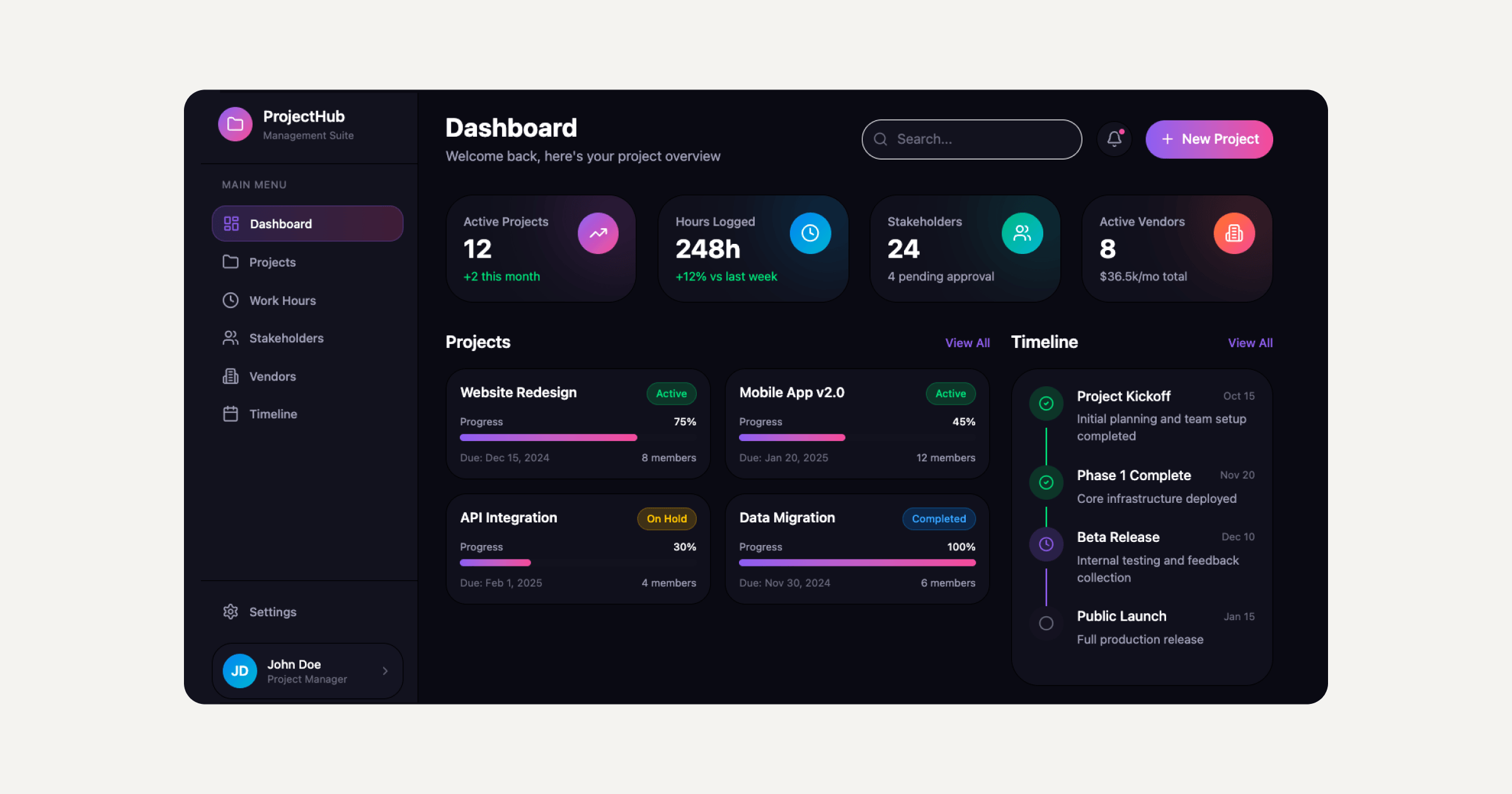
Glide, marketed as GlideOS, is a no-code platform for building data-driven applications from spreadsheet or database sources. Instead of a freeform drag-and-drop canvas, it uses a visual, form-based builder, and it delivers apps as Progressive Web Apps rather than compiled native binaries for the App Store or Play Store. Your data source can be Google Sheets, Excel, Airtable, or a native Glide table. The free plan caps you at one project with limited usage credits. The Solo plan adds a database and five projects. The Team plan bills per member with a five-member minimum, and the Enterprise plan adds single sign-on, custom connectors, and a dedicated success manager. As of this check, Glide’s pricing page lists annual billing plans as “coming soon,” so only monthly billing is currently available.
Blink vs Glide at a glance
| Dimension | Blink | Glide | Sticklight |
|---|---|---|---|
| What it is | AI platform that generates full-stack apps from natural-language descriptions | No-code platform (GlideOS) that builds apps from spreadsheet or database sources | Vibe-coding platform for professional web creators that turns a prompt into production-ready output |
| Output | Full-stack web app, with React Native support for mobile | Installable Progressive Web App, not a native App Store or Play Store binary | Production-ready websites, apps, dashboards, CMS, and internal tools |
| Backend / data | Auto-provisions database, authentication, and APIs per generated app | Built on connected data sources: Google Sheets, Excel, Airtable, or a native Glide table | Generated per project as part of the prompt-to-build flow |
| Publish / hosting | Global hosting included, with free SSL, CDN, custom domains, and auto-scaling | Delivered as an installable Progressive Web App | Publish included as part of the Prompt to Build to Publish flow |
| Best for | Teams that want a custom full-stack app, including backend logic, generated from a prompt | Teams that already have spreadsheet or database data and want it turned into a usable app without writing code | Professional web creators who want production-ready full-stack output tied into an existing WordPress or Elementor site |
| Entry pricing | Free, $0 per month, 5 daily refresh credits capped at 30 per month | Free, $0 per month | Additive to your WordPress/Elementor stack |
Where the two platforms genuinely differ.
The core difference between Blink and Glide comes down to starting point. Blink starts from a written description and generates a new application, backend included, which makes it closer to a general-purpose app builder for products that don’t have structured data behind them yet. Glide starts from data you already hold in a spreadsheet or database and wraps a usable app interface around it, which fits teams digitizing an existing process rather than building something from scratch. Blink’s AI model gateway and always-on agents point it toward automation-heavy products. Glide’s form-based builder and PWA output point it toward internal tools, directories, and lightweight customer-facing apps you can build quickly from records you already have.
Pricing structure differs too. Blink scales primarily by generation credits, with Starter, Pro, and Max tiers priced from $25 to $200-plus per month (lower with annual billing), plus a per-seat Team plan starting at $40 per seat. Glide scales by project count and team size, with a Solo plan at $25 per month that includes a database and five projects, and a Team plan starting at $125 per month for up to five members plus $10 per additional member. Neither structure is inherently better than the other. The right one depends on whether your usage is better measured in generation volume or in seats and projects.
Where Sticklight fits as a third option.
If you’re a professional web creator already running a site on WordPress or Elementor, both Blink and Glide sit somewhat apart from that stack. Blink generates a separate hosted application, and Glide wraps your existing data in a separate Progressive Web App. Sticklight, built by the Elementor team and powered by Claude, is designed to be additive rather than separate. It follows a Prompt to Build to Publish flow, generating production-ready websites, apps, dashboards, CMS, and internal tools from a single prompt, and publishing is part of that same flow rather than a separate hosting decision.
That makes Sticklight a fit if you want Blink-style prompt-to-full-stack generation without stepping outside the WordPress and Elementor ecosystem you already work in, or if you want an app-building path that doesn’t require reshaping an existing spreadsheet the way Glide’s model does. Sticklight’s AI agent capabilities are coming soon rather than shipped today, so if you specifically need Blink’s always-on agents or Glide’s spreadsheet-first workflow right now, weigh that against Sticklight’s current, publish-included, full-stack focus.
Frequently asked questions
What’s the main difference in Blink vs Glide?
Blink generates a full-stack application, backend and database included, from a written description. Glide builds an app from a spreadsheet or database source you already have, using a visual, form-based builder, and outputs a Progressive Web App.
Does Glide produce native mobile apps?
No. Glide delivers apps as installable Progressive Web Apps, not compiled native binaries for the App Store or Play Store.
Which is cheaper to start with, Blink or Glide?
Both offer a free plan at $0 per month. Blink’s free plan includes 5 daily refresh credits capped at 30 per month. Glide’s paid tier starts at $25 per month for the Solo plan with a database and five projects, the same entry price as Blink’s Starter plan.
Where does Sticklight fit next to Blink and Glide?
Sticklight is a separate option for professional web creators who want production-ready full-stack output from a prompt while staying additive to an existing WordPress or Elementor site, rather than standing apart from that stack the way a fully separate hosted app or PWA does.
Built by the Elementor team. Powered by Claude.
Let it glow.
