
Blink vs Softr: two different ways to build an app

Blink and Softr start from different places when you’re building a web app. Blink generates a full application, frontend, backend, authentication, and APIs, from a plain-language prompt. Softr instead builds an interface on top of data you already keep, in Airtable, Google Sheets, Notion, or its own built-in database.
The right pick comes down to whether you’re starting from a blank page or an existing dataset. This article compares the two factually, then looks at where Sticklight fits as a third option for professional creators.
- Blink generates a complete application, frontend, backend, database, and authentication, from a text description, and includes hosting.
- Softr builds an interface layer on top of connected data sources such as Airtable, Google Sheets, or Notion, or its own database.
- Blink’s pricing is published and verified, starting at $0/month for the Free tier, with paid plans from $25/month.
- Softr’s official pricing page renders client-side and couldn’t be confirmed at the time of writing; check their site for current pricing.
- Softr doesn’t expose a freeform code editor; you configure it through settings panels rather than a visual canvas.
- Sticklight, built by the Elementor team and powered by Claude, generates production-ready sites, apps, dashboards, and internal tools from a prompt and publishes them, as an addition to a WordPress and Elementor workflow.
What Blink is built for
Blink is an AI platform that generates full-stack applications, frontend, backend, database, and authentication, from natural-language descriptions. It includes an AI Gateway with access to more than 200 AI models through one API, “Blink Claw” always-on agents for tasks like customer support or marketing, and more than 3,000 built-in integrations covering tools such as Stripe, Slack, Gmail, and Notion. Real-time collaboration runs on WebSocket support, and hosting is global, with free SSL, a CDN, custom domains, and auto-scaling included. React Native support covers mobile output. Blink doesn’t disclose the specific default database technology behind generated apps, though the platform auto-provisions a database, authentication, and APIs for every app it builds.
What Softr is built for
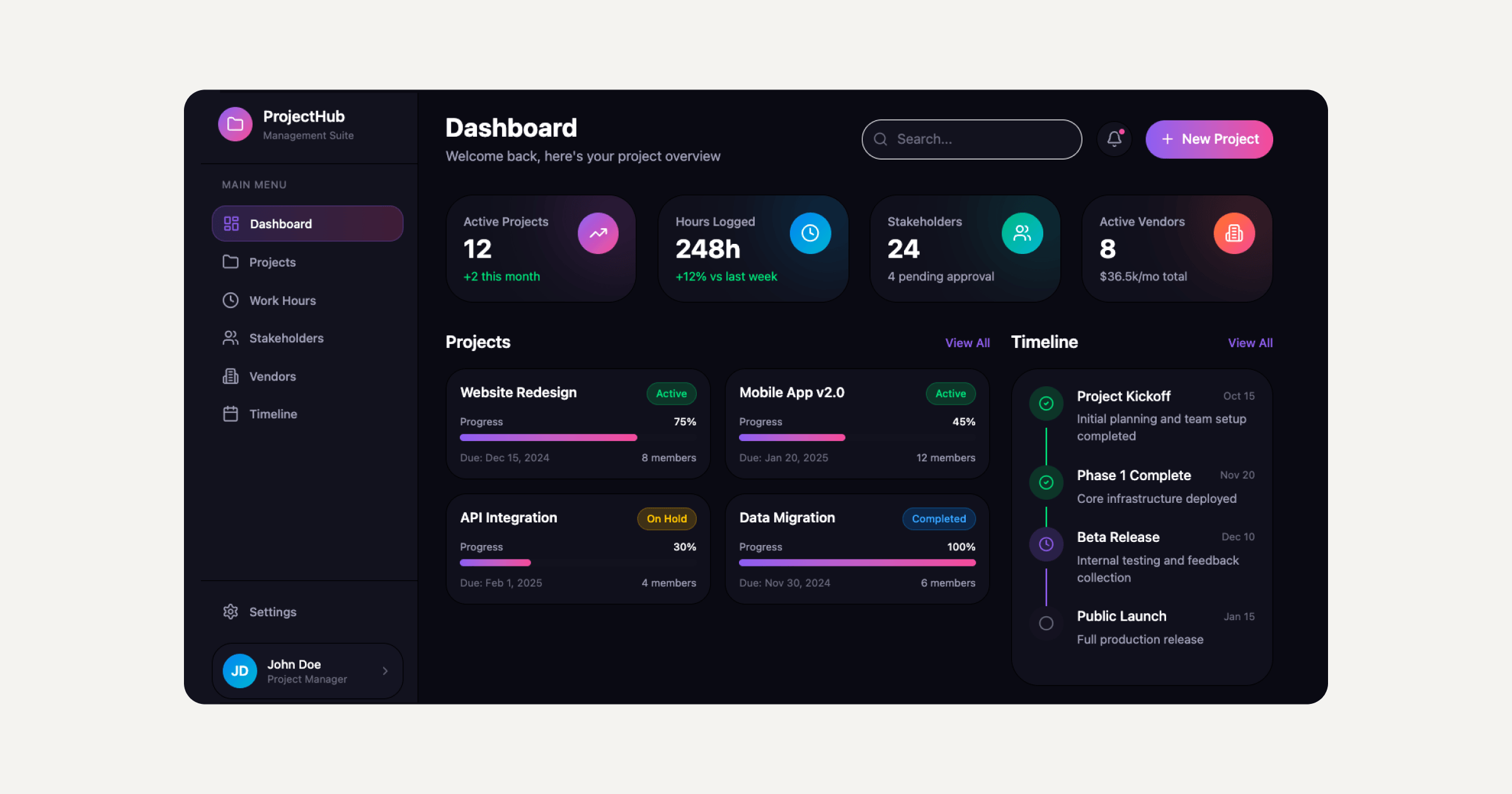
Softr is a no-code platform for building web applications, client portals, and internal tools on top of external or internal data sources, aimed at small teams, operators, and agencies. It connects to Airtable, Google Sheets, and Notion, or to Softr’s own built-in database, and gives you a library of pre-built UI blocks, lists, tables, forms, charts, calendars, and maps, that bind to a connected data source. Built-in user authentication covers email and Google login, and row-level permission controls let logged-in users see only their own records. Unlike a freeform visual canvas such as Bubble or Webflow, Softr has no native code editor exposed to you as the end user; everything is configured through settings panels. The output is a hosted web application; it doesn’t compile to native iOS or Android binaries.
Blink vs Softr at a glance
| Dimension | Blink | Softr | Sticklight |
|---|---|---|---|
| What it is | AI platform that generates full-stack applications from natural-language prompts | No-code platform for assembling web apps and portals on top of connected data sources | Vibe-coding platform that turns a prompt into a production-ready site, app, dashboard, or tool |
| Output | A complete generated app: frontend, backend, database, and auth | A hosted web app or portal built from UI blocks over existing or built-in data | Production-ready websites, apps, dashboards, CMS, and internal tools |
| Backend / data | Auto-provisioned database, authentication, and APIs per app; specific database technology not disclosed | External sources (Airtable, Google Sheets, Notion) or Softr’s own built-in database | Not applicable; publishes alongside a WordPress and Elementor stack |
| Publish / hosting | Global hosting included, with free SSL, CDN, custom domains, and auto-scaling | Hosted web application, delivered by Softr | Publish is included in the Prompt to Build to Publish flow |
| Best for | Teams that want a complete app, including backend and integrations, generated from a description | Teams assembling a portal or internal tool on top of data they already manage | Professional creators wanting production-ready, full-stack output from one prompt |
| Entry pricing | Free at $0/month (5 daily refresh credits, capped at 30/month); paid plans from $25/month ($21/month billed annually) | check their site for current pricing | Additive to your WordPress/Elementor stack |
How the two approaches differ in practice
The core difference between Blink and Softr is where the application starts. Blink starts from a prompt and generates everything underneath it, so if you don’t have an existing dataset, you can go from description to a running app with its own database and APIs. Softr starts from data you already have, or from its own database, and layers a configurable interface, forms, and permissions on top. That makes Softr a natural fit when your data already lives in a spreadsheet-style tool and the job is presenting it and controlling access, while Blink fits better when you want a new application with backend logic and integrations built in from the start.
Neither tool gives you a freeform code canvas the way a general-purpose builder does. Blink’s generation happens through prompts and its AI Gateway rather than manual code editing, and Softr’s configuration happens through settings panels rather than a drag-and-drop canvas. Team and collaboration features differ in scope too: Blink includes real-time collaboration with WebSocket support and a shared credit pool on its Team plan, while Softr’s collaboration and permission model centers on row-level access for logged-in users viewing their own records.
Where Sticklight fits as a third option
If you’re comparing Blink and Softr as a professional creator, Sticklight is worth considering as a third path. It turns a prompt into a production-ready website, app, dashboard, CMS, or internal tool, and publishes it, following a Prompt, Build, Publish flow. Sticklight is built by the Elementor team and powered by Claude, and it’s additive to WordPress and Elementor rather than a replacement for them, so if you’re already working in that ecosystem you can extend it instead of starting over on a separate platform. AI agents are on Sticklight’s roadmap, labeled coming soon, and aren’t yet a shipped feature. Sticklight pricing isn’t published here; check the Sticklight site directly for current plans.
Frequently asked questions
What’s the main difference between Blink and Softr?
Blink generates a complete application, including its backend, database, and authentication, from a natural-language prompt. Softr builds an interface on top of data you already have, or its own built-in database, using pre-built UI blocks.
Does Softr have a free plan?
Not confirmed here. Softr’s official pricing page couldn’t be verified at the time of writing, so no price, including any free tier, is stated in this article. Check their site for current pricing.
Can I connect Blink or Softr to a spreadsheet?
Yes, with Softr. It’s built to connect to spreadsheet-style sources such as Airtable and Google Sheets, or to Notion, in addition to its own database. Blink’s data layer is auto-provisioned per generated app instead, and its own database technology isn’t disclosed on its pricing page.
Where does Sticklight fit if I’m already using Blink or Softr?
Sticklight is additive to a WordPress and Elementor workflow rather than a direct swap for either tool. It’s worth evaluating alongside Blink and Softr when you want production-ready, full-stack output published from a single prompt, built by the Elementor team.
Built by the Elementor team. Powered by Claude.
Let it glow.
