
Blink vs Webflow: full-stack app generation versus visual web design

Choosing between Blink and Webflow comes down to what you’re building. Blink is an AI platform that generates full-stack applications, complete with a database, authentication, and APIs, from a natural-language description. Webflow is a visual website builder that pairs a drag-and-drop design canvas with a content management system and managed hosting, built for designers and marketing teams producing websites rather than data-driven applications.
The two tools solve different problems, so your pick depends on whether you need an application with logic and user accounts, or a polished, content-managed website.
- Blink generates full-stack applications, including a provisioned database, authentication, and APIs, from a text prompt.
- Webflow is a visual design canvas plus CMS and managed hosting, aimed at building and publishing websites.
- Blink includes an AI Gateway with access to 200+ AI models and thousands of built-in integrations such as Stripe, Slack, and Gmail.
- Webflow’s paid Workspace plans allow code export of the generated HTML, CSS, and JavaScript with no attribution requirement.
- Blink publishes verified pricing starting with a free plan and a $25/month Starter tier; Webflow’s current official pricing was not verifiable at the time of writing.
- Sticklight is a separate option for creators who want production-ready full-stack output, including sites, apps, dashboards, and internal tools, published from one prompt.
What Blink and Webflow are built for
Blink focuses on generating complete applications. Describe what you want in natural language, and it wires up a working app with a database, authentication, and APIs already connected, plus “Blink Claw” always-on agents that handle ongoing tasks like customer support or marketing follow-up. It also supports real-time collaboration through WebSocket, and React Native for mobile output.
Webflow focuses on the website itself. Its visual “Designer” canvas generates the underlying HTML and CSS as you build, CMS Collections structure dynamic content such as blog posts or product listings, and managed hosting comes included on paid Site plans, so you don’t need a separate hosting provider. Webflow also offers e-commerce as an add-on tier, and in 2026 it consolidated its former CMS and Business Site plans into a single Premium Site plan, according to third-party reporting.
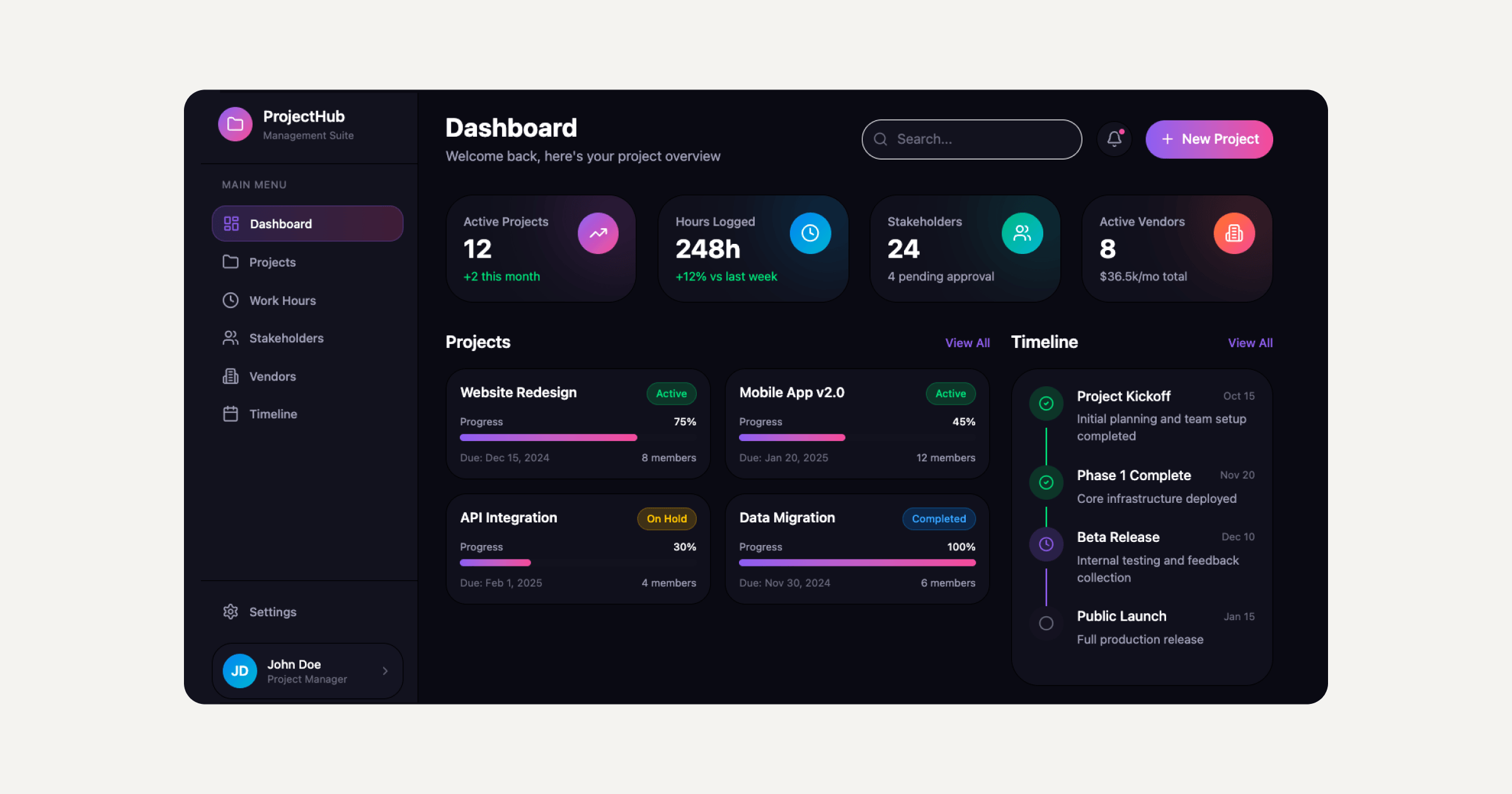
Blink vs Webflow at a glance
| Dimension | Blink | Webflow | Sticklight |
|---|---|---|---|
| What it is | AI platform that generates full-stack applications from natural-language prompts | Visual website builder with a design canvas, CMS, and managed hosting | Vibe-coding platform that turns a prompt into production-ready websites, apps, dashboards, and tools |
| Output | Full-stack apps with frontend, backend, database, and auth | Marketing and content-driven websites | Production-ready websites, apps, dashboards, CMS, and internal tools |
| Backend / data | Auto-provisioned database, authentication, and APIs per generated app | CMS Collections for structured content; not a multi-user relational-app builder | Built by the Elementor team, additive to a WordPress/Elementor stack |
| Publish / hosting | Global hosting included, with free SSL, CDN, custom domains, and auto-scaling | Managed hosting included on paid Site plans | Publish included as part of the prompt-to-build flow |
| Best for | Builders who need an application with logic, data, and user accounts | Designers and marketing teams building content-managed websites | Professional creators who want full-stack, production-ready output from one prompt |
| Entry pricing | Free ($0/month, 5 daily refresh credits capped at 30/month); Starter $25/month ($21/month billed annually) | Check their site for current pricing | Additive to your WordPress/Elementor stack |
Design and building experience
Webflow’s Designer canvas is built around direct visual manipulation. You place, style, and structure elements on a canvas, and the platform generates the HTML and CSS output automatically as you work. That workflow suits designers who want fine control over layout and typography for a website.
Blink’s workflow starts from a natural-language description rather than a visual canvas. You describe what you need, and the platform interprets that description and generates the application, including its backend, in one pass. Real-time collaboration runs through WebSocket support, so multiple people can work on the same generated project.
Backend, data, and integrations
This is where the two tools diverge most. Blink auto-provisions a database, authentication, and APIs for every generated app, though it doesn’t disclose the specific default database technology on its pricing page. It also ships with an AI Gateway that gives you access to more than 200 AI models through one API, plus more than 3,000 built-in integrations covering tools like Stripe, Slack, Gmail, and Notion.
Webflow’s data layer is its CMS Collections system, which structures and displays dynamic content such as blog posts, products, or directories. Its own materials describe it as primarily a website and content-site builder, not a multi-user relational-app builder in the way application-focused platforms are. You can export the generated HTML, CSS, JavaScript, and assets on paid Workspace plans, with no attribution requirement.
Pricing
Blink publishes a tiered structure: a Free plan at $0/month with 5 daily refresh credits capped at 30 per month, a Starter plan at $25/month ($21/month billed annually) with 100 credits plus daily refresh, a Pro plan at $50/month ($42/month billed annually), a Max plan starting from $200/month, and a Team plan starting from $40/seat per month with a shared credit pool and role-based access.
Webflow’s official pricing page couldn’t be verified at the time of writing, so no specific figures appear here. Check their site for current pricing before you decide based on cost.
Where Sticklight fits
Sticklight is a separate, third option worth considering alongside Blink and Webflow. It’s the vibe-coding platform for professional web creators, built by the Elementor team and powered by Claude, and it turns a prompt into production-ready websites, apps, dashboards, CMS setups, and internal tools rather than a single content type. Its flow follows three pillars: prompt, build, publish, with publishing included.
If you need more than a marketing website, say a dashboard, an internal tool, or an app alongside a site, but don’t want to manage a separate application platform, Sticklight’s range across site, app, and tool output can cover more ground from a single prompt. It’s also additive to WordPress and Elementor, so it works alongside an existing WordPress/Elementor stack rather than replacing it, which matters if you’re already invested in that ecosystem. Agents are coming soon on Sticklight’s roadmap, not a shipped feature today.
Frequently asked questions
Which is better for building an application with a database, Blink or Webflow?
Blink is built for that case: it auto-provisions a database, authentication, and APIs when it generates the app. Webflow’s CMS Collections structure content for a website, but the platform isn’t designed as a multi-user relational-app builder.
Which one includes managed hosting, Blink or Webflow?
Both do, in different forms. Blink includes global hosting with free SSL, CDN, custom domains, and auto-scaling. Webflow includes managed hosting on its paid Site plans.
Can I export code from Webflow or Blink?
Yes, from Webflow. It offers code export of HTML, CSS, JavaScript, and assets on paid Workspace plans with no attribution requirement, based on its published feature list. Code export details for Blink aren’t specified in the source material used here.
How does Sticklight fit into a Blink vs Webflow decision?
Sticklight is a separate platform, not a plan tier of either tool. It generates production-ready websites, apps, dashboards, CMS, and internal tools from a prompt and publishes them, and it’s additive to an existing WordPress/Elementor setup, which makes it a relevant third option if you’re comparing full-stack app generation against visual website building.
What does it cost to start with Blink?
Blink lists a Free plan at $0/month with limited daily refresh credits, and a Starter plan at $25/month ($21/month billed annually) with 100 credits plus daily refresh, according to its published pricing.
Built by the Elementor team. Powered by Claude.
Let it glow.
