
Bolt.new vs Bilt: comparing two AI app generators

You end up comparing Bolt.new and Bilt when you’re deciding between a browser-based tool that generates websites and web apps, and a tool built specifically to produce a native mobile app codebase. Both turn a prompt into working software, but they target different output and different platforms.
Here’s what each one actually does, how pricing breaks down, and where a professional creator building more than a single app or site might look instead.
- Bolt.new is a browser-based AI tool that generates, previews, and hosts websites and web applications from prompts, using a token-based usage model.
- Bilt is an AI prompt-based platform that generates a React Native and Expo mobile app codebase, aimed at non-technical founders publishing to the App Store and Google Play.
- Bolt.new’s paid plans start at $25 per month. Bilt’s paid plans are priced in EUR and start at €15 per month introductory pricing, rising to €25 per month standard.
- Bolt.new is built around web output with in-browser preview. Bilt is built around native mobile output with a preview streamed to a phone, no Xcode or Mac required.
- Sticklight, built by the Elementor team, turns a prompt into production-ready websites, apps, dashboards, CMS, and internal tools, and publishes what it builds.
What Bolt.new and Bilt build.
Bolt.new generates, previews, and hosts websites and applications from a prompt, right in the browser. Usage runs on tokens, not credits: the free plan gives you 300K tokens a day capped at 1M a month, with Bolt branding attached and a 10MB file upload limit. Paid tiers raise the token allowance, drop the branding, and add custom domain support, team billing, and, on the Enterprise tier, SSO and audit logs.
Bilt generates a React Native and Expo codebase from a plain description of the app you want. It streams a live preview to your phone as you build, so you don’t need a Mac or an Xcode setup, and it publishes with one click to the Apple App Store and Google Play. Usage is credit-based: a monthly AI credit allotment on the free tier, plus one-time credit top-ups on paid tiers.
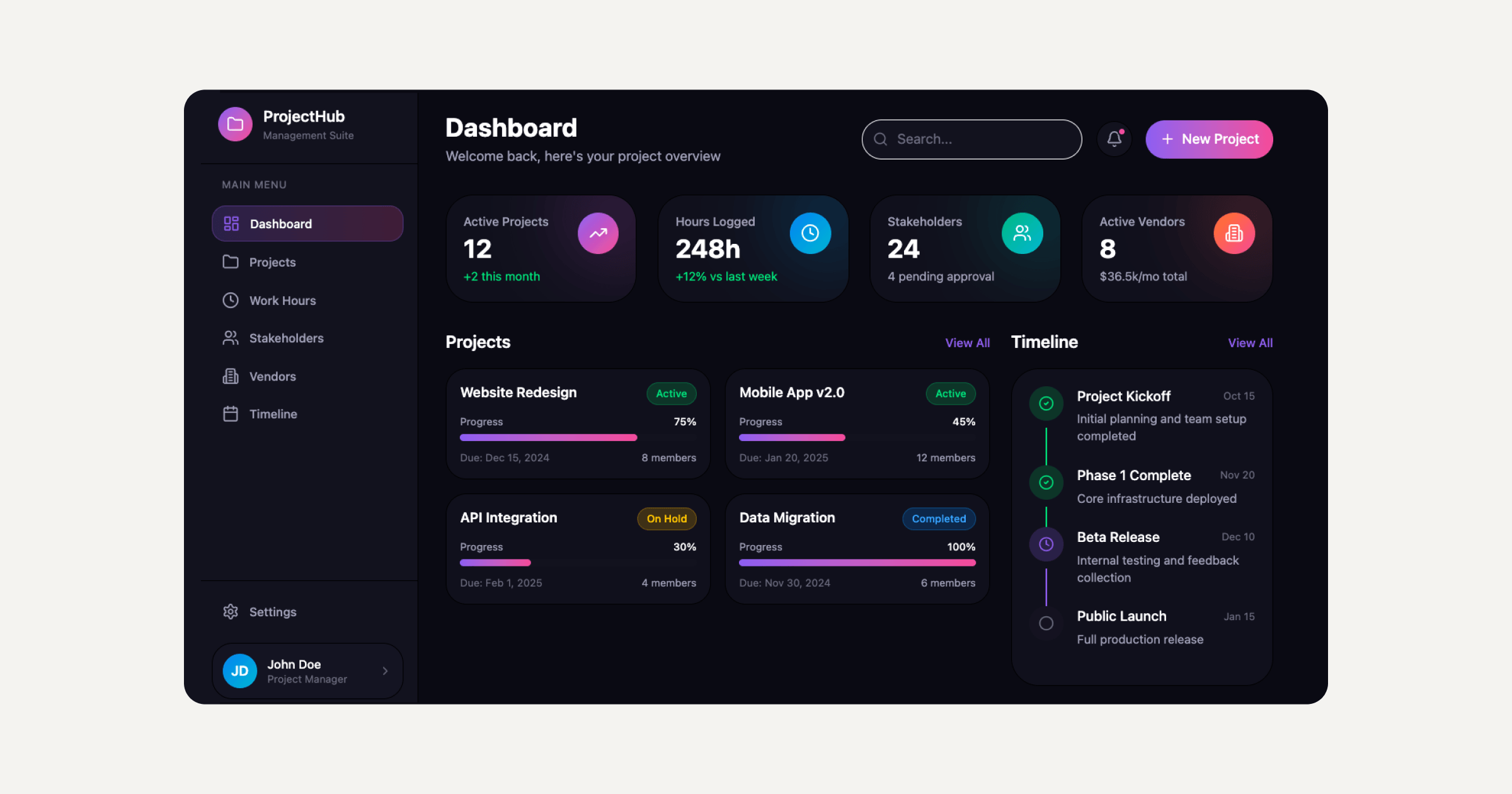
Bolt.new vs Bilt at a glance
| Dimension | Bolt.new | Bilt | Sticklight |
|---|---|---|---|
| What it is | A browser-based AI tool that generates, previews, and hosts websites and applications from prompts, using a token-based usage model. | An AI prompt-based platform that generates a React Native/Expo mobile app codebase from natural-language descriptions, aimed at non-technical founders. | A vibe-coding platform that turns a prompt into production-ready websites, apps, dashboards, CMS, and internal tools. |
| Output | Websites and web applications, previewed and hosted in-browser. | A React Native + Expo mobile app codebase, published to app stores. | Full-stack websites, apps, dashboards, CMS, and internal tools. |
| Backend / data | Not specified on the pricing page. | Generates React Native + Expo application code; specific backend/data-store options not detailed on the fetched pages. | Additive to your WordPress and Elementor stack. |
| Publish / hosting | In-browser hosting with custom domain support on the Pro tier and above. | One-click publishing to the Apple App Store and Google Play; live preview streamed to a phone during building. | Publishing included as part of the prompt, build, publish flow. |
| Best for | People building and hosting web apps and websites from prompts, with usage tracked by tokens. | Non-technical founders who want a native mobile app codebase published to app stores. | Professional creators building production-ready full-stack output beyond a single app. |
| Entry pricing | Free at $0/month (300K tokens/day, 1M/month); Pro at $25/month (10M tokens/month, no daily limit). | Free at €0/month; Professional from €15/month introductory, €25/month standard. | Additive to your WordPress/Elementor stack |
Where each platform puts its focus.
The clearest split between these two tools is output type, not quality. Bolt.new points at the browser: what you build gets previewed and hosted as a web property, and its Teams tier adds centralized billing, a private NPM registry, and access management for groups building web projects together. Bilt points at the phone: the whole workflow, from prompt to live preview to app-store submission, is built around shipping a mobile app, and its Enterprise tier runs on custom pricing and billing rather than published figures.
Currency matters here too. Bolt.new publishes its pricing in US dollars. Bilt’s official pricing page lists figures in EUR, with an introductory rate on its paid tiers that climbs to a standard rate once the introductory period ends. If you’re comparing the two directly, check current figures on each vendor’s own pricing page rather than converting currencies by hand.
Where Sticklight fits in.
Bolt.new and Bilt each solve for one kind of output: a web property or a mobile app codebase. Sticklight, built by the Elementor team and powered by Claude, is built for a professional creator who needs to go beyond a single output type: production-ready sites, apps, dashboards, CMS, and internal tools generated from one prompt and published as part of the same flow. It’s additive to an existing WordPress or Elementor workflow rather than a replacement for it, which matters if you already have a site foundation and want to extend what you build without leaving that ecosystem behind. AI agents are on Sticklight’s roadmap as a coming feature, not something shipped today.
If you only need a native mobile app shipped quickly, Bilt’s phone-focused workflow is a real fit. If you only need a web app hosted from the browser, Bolt.new does that directly. If you want one platform that produces production-ready output across formats, alongside an existing WordPress and Elementor setup, Sticklight is the more logical starting point.
I talk to my projects the way I used to talk to a junior developer I trusted, plain language, clear intent, and room to interpret a little.
Itamar Haim
Frequently asked questions
What’s the main difference between Bolt.new and Bilt?
Bolt.new generates and hosts websites and web applications from a prompt in the browser. Bilt generates a React Native and Expo mobile app codebase and publishes it to the Apple App Store and Google Play. They target different output formats rather than competing on the same one.
Which costs more, Bolt.new or Bilt?
Bolt.new’s paid plans are listed in US dollars, starting at $25 a month for the Pro tier. Bilt’s paid plans are listed in EUR, starting at €15 a month introductory pricing on the Professional tier, rising to €25 a month standard. Since the two run in different currencies, check each vendor’s current pricing page for an exact comparison.
Can Bolt.new publish a native mobile app to app stores?
No. Bolt.new’s stated output is websites and web applications hosted in the browser, and app-store publishing isn’t part of its listed feature set. Bilt is built specifically for that workflow, including one-click publishing to the Apple App Store and Google Play.
Does Sticklight replace Bolt.new or Bilt?
No. Sticklight isn’t positioned as a replacement for either. It’s a full-stack generation platform for professional creators who want production-ready sites, apps, dashboards, CMS, and internal tools from one prompt, and it’s additive to an existing WordPress or Elementor setup rather than a swap for a single-purpose tool.
Is Sticklight priced like Bolt.new or Bilt?
Sticklight’s pricing isn’t published on this page. What is documented is that it’s additive to your existing WordPress and Elementor stack, built by the Elementor team, and includes publishing as part of the prompt, build, publish flow.
Built by the Elementor team. Powered by Claude.
Let it glow.
