
Bubble vs Sticklight: comparing two ways to build web apps

Bubble vs Sticklight comes up when you’re weighing a visual, drag-and-drop platform for building web applications against a prompt-based tool that generates production-ready output directly from a description. Both let you build without writing code from scratch, but they start from different places and produce different kinds of output.
Here’s what each platform actually is, how it handles data and hosting, and which one fits your project.
- Bubble is a browser-based visual editor: you assemble the interface, database, and workflow logic by hand on a canvas.
- Sticklight turns a prompt into a production-ready website, app, dashboard, CMS, or internal tool, following a prompt, build, publish flow.
- Bubble hosts apps on its own infrastructure and doesn’t offer code export; usage on current plans is measured in Workload Units.
- Sticklight is built by the Elementor team and is additive to your existing WordPress or Elementor setup rather than a replacement for it.
- Bubble’s plan pricing isn’t published in a way we can quote reliably here, so check their site for current pricing.
- Sticklight includes publishing as part of the flow, so your finished build doesn’t require a separate hosting step.
What Bubble is built for.
Bubble is a browser-based visual development platform for building multi-user web applications. It pairs a drag-and-drop UI editor with a pixel and responsive layout engine, a hosted relational database for defining data types, fields, and relationships, and a visual workflow engine for backend logic, scheduled events, and API-triggered actions. A plugin marketplace adds third-party integrations for payments, email, maps, and AI, and a built-in API connector lets a Bubble app call external REST APIs directly.
Bubble apps run on Bubble’s own infrastructure, and the platform doesn’t offer code export. The output is a web application; a native mobile app store build needs a third-party wrapper on top. Usage on current plans is measured and billed in what Bubble calls Workload Units.
What Sticklight is built for.
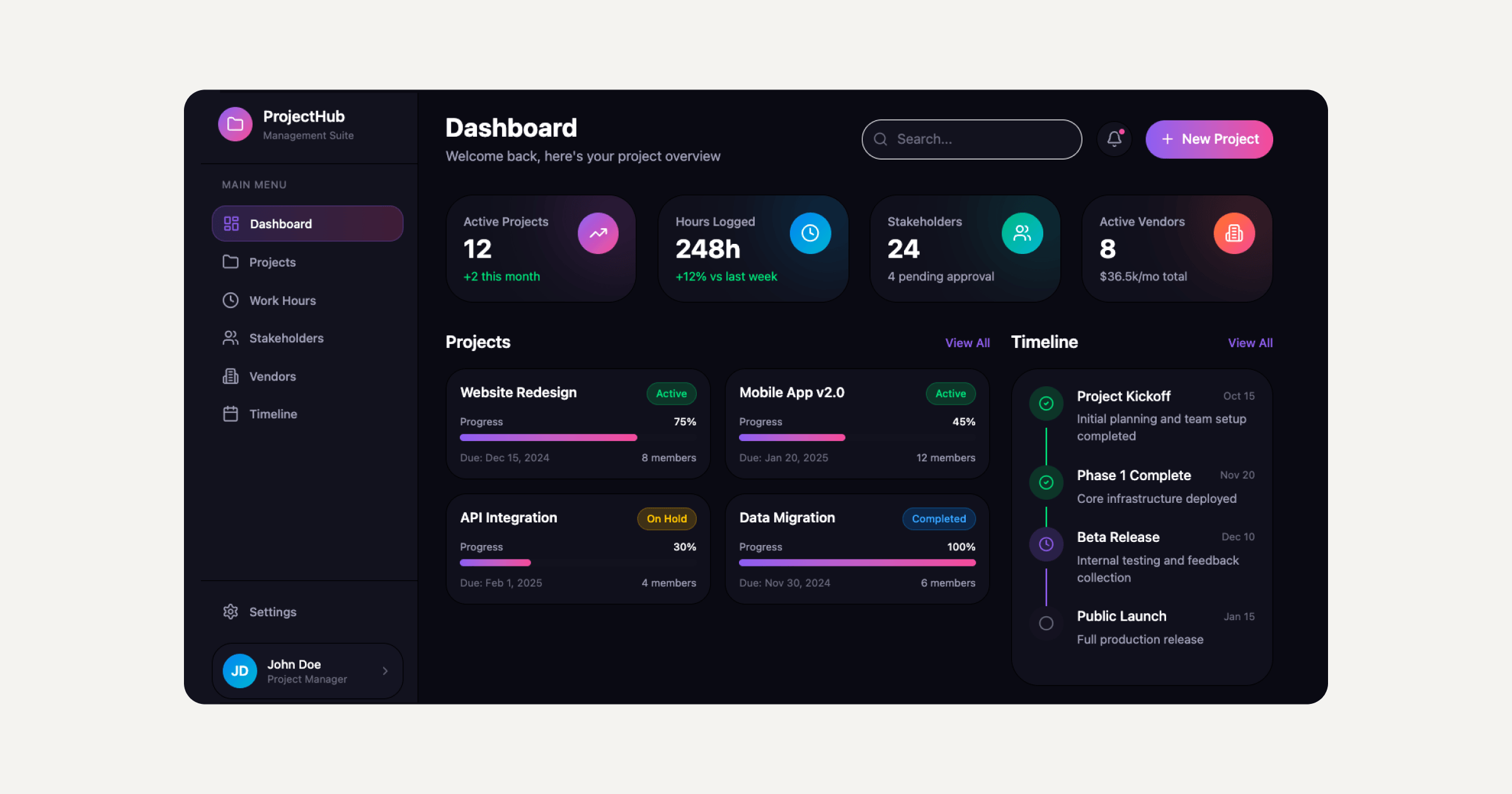
Sticklight is the vibe-coding platform for professional web creators. It follows a prompt, build, publish flow: a prompt turns into a production-ready website, app, dashboard, CMS, or internal tool, and publishing happens as part of that same flow rather than as a separate step afterward. Think of it as going beyond websites to become a full-stack creator.
Sticklight is built by the Elementor team and powered by Claude. It’s additive to WordPress and Elementor: it works alongside your existing site rather than replacing it, which matters if you’re already running on that stack. AI agents are on the roadmap, coming soon, not something shipped today.
Bubble vs Sticklight at a glance
| Dimension | Bubble | Sticklight |
|---|---|---|
| What it is | Visual, drag-and-drop platform for multi-user web applications | Prompt-based platform for production-ready websites, apps, dashboards, CMS, and internal tools |
| Building method | Manual assembly on a visual canvas: UI editor, database, and workflow engine | Prompt to build to publish, generating production-ready output from a description |
| Backend / data | Built-in hosted relational database with defined data types and fields | Generates the backend needed for the requested build |
| Publish / hosting | Hosted on Bubble’s own infrastructure; no code export | Publishing included as part of the build flow; additive to WordPress and Elementor |
| Extensibility | Plugin marketplace and a built-in API connector for external REST APIs | Roadmap includes AI agents (coming soon) |
| Best for | Teams that want hands-on visual control over UI, data model, and logic | Professional creators who want production-ready full-stack output from a prompt, on top of an existing web presence |
| Entry pricing | Check their site for current pricing | Additive to your WordPress/Elementor stack |
How the building process differs.
The core difference is where the work happens. In Bubble, you place elements on a canvas, wire up database fields by hand, and define workflow logic step by step through the visual workflow engine. That gives you fine-grained control, and it also means you’re doing the structural work yourself, click by click.
Sticklight starts from a prompt and produces the build directly, carrying through to publishing in the same flow. That trades some of the granular, element-by-element control for speed, from description to a working, production-ready result. Which approach fits depends on whether you want hands-on control over every field and workflow step, or you want to get from an idea to a published build quickly.
Data, hosting, and ecosystem fit.
Bubble keeps everything inside its own environment: the database, the workflow engine, and the hosting are all part of the same closed platform, and there’s no code export path out of it. That’s a reasonable trade-off if you want one place to build and run an app end to end.
Sticklight’s fit is different because it’s designed to sit alongside your existing WordPress or Elementor site rather than replace it. If you already have a WordPress or Elementor presence, that additive relationship means new builds don’t require abandoning your existing stack.
Choosing between Bubble and Sticklight.
Bubble fits you if you want a visual, hands-on canvas for assembling a multi-user web application, with direct control over the data model and workflow logic, and you’re comfortable working inside Bubble’s own hosting environment. Sticklight fits you if you want a prompt to turn into a production-ready website, app, dashboard, CMS, or internal tool, published as part of the same flow, especially when that build needs to sit alongside your existing WordPress or Elementor setup rather than stand apart from it.
Frequently asked questions
What is the main difference in Bubble vs Sticklight?
Bubble is a visual, drag-and-drop editor where you assemble the UI, database, and workflow logic by hand. Sticklight generates a production-ready build directly from a prompt and publishes it as part of the same flow.
Does Bubble offer code export?
No. Bubble apps run on Bubble’s own infrastructure, and the platform doesn’t offer a code export option.
Can Sticklight replace my existing WordPress or Elementor site?
Sticklight is designed to be additive to WordPress and Elementor. It works alongside your existing site rather than replacing it.
How much does Bubble cost?
Bubble’s current plan pricing isn’t published in a way we can quote reliably here, so check their site for current pricing.
Does Sticklight support AI agents?
AI agents are on Sticklight’s roadmap, coming soon. They’re not a shipped capability today.
Built by the Elementor team. Powered by Claude.
Let it glow.
