Budibase vs Appsmith: comparing two low-code app builders

Budibase and Appsmith both come up when you’re picking a low-code platform for internal tools, admin panels, and business applications. Both are open source at the core, but they differ in how they store data, price their plans, and scale to larger teams.
Here’s what each platform does, what it costs, and where a professional creator building production-ready web apps might look instead.
- Budibase ships with a built-in data store, Budibase DB, plus support for external SQL databases and REST APIs.
- Appsmith is an open-source low-code platform built for internal applications such as admin panels, dashboards, and CRUD interfaces.
- Budibase’s cloud Pro plan starts at $19 a month; Appsmith’s cloud Business plan starts at $15 per user per month.
- Both platforms offer a free, self-hosted, open-source edition for teams that want to run their own infrastructure.
- Appsmith’s cloud Free tier caps out at 5 users, 5 workspaces, and 3 Git repositories.
- Sticklight is a different category: a vibe-coding platform that turns a prompt into a production-ready site, app, dashboard, CMS, or internal tool, built by the Elementor team and additive to WordPress and Elementor.
What Budibase and Appsmith are built for
Budibase is a low-code platform for building business web applications and automations. It works with its own internal data model or with data sources you connect: it ships with an internal data source called Budibase DB, and it also supports external SQL databases and REST APIs. Paid plans include an AI credit allotment, from 2,000 up to 50,000 depending on the tier, plus support for building AI agents with configurable instructions and tools.
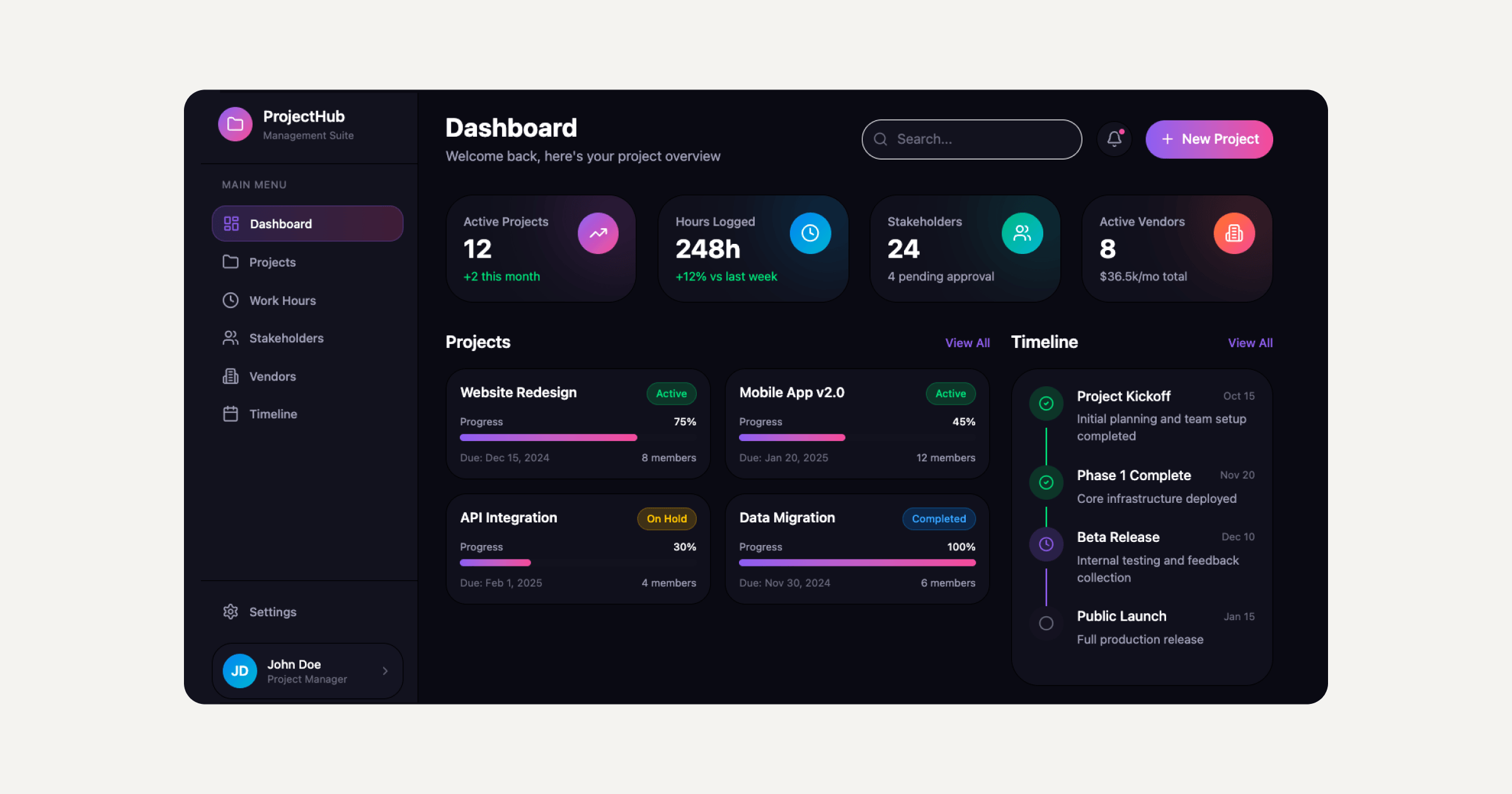
Appsmith is an open-source low-code platform aimed specifically at internal applications: admin panels, dashboards, and CRUD interfaces. Its Community edition is open source and can be self-hosted. Appsmith’s pricing page doesn’t detail the specific backend architecture for connecting to databases and REST APIs beyond confirming that external connections are supported. Appsmith applications use Git-based version control, built into every tier rather than sold as an add-on.
Budibase vs Appsmith at a glance
| Dimension | Budibase | Appsmith | Sticklight |
|---|---|---|---|
| What it is | Low-code platform for business web apps and automations | Open-source low-code platform for internal applications | Vibe-coding platform that turns a prompt into a production-ready site, app, dashboard, CMS, or tool |
| Output | Business web applications and automations | Admin panels, dashboards, CRUD interfaces | Full-stack websites, apps, dashboards, CMS, and internal tools |
| Backend / data | Built-in Budibase DB plus external SQL databases and REST APIs | Connects to external data sources including databases and REST APIs; specific architecture not detailed on the pricing page | Production-ready output generated from a single prompt |
| Publish / hosting | Cloud plans or a self-hosted open-source edition | Cloud plans or a self-hosted Community edition | Publish included as part of the prompt, build, publish flow |
| Best for | Teams needing custom business apps with automations and an AI credit allotment | Teams building internal admin tools with Git-based version control | Professional creators who want a full-stack, production-ready result without assembling separate tools |
| Entry pricing | Free self-hosted open-source edition; Pro cloud plan is $19/month | Free cloud tier for up to 5 users; Community edition is free, self-hosted | Additive to your WordPress/Elementor stack |
Pricing in more detail
Budibase’s open-source, self-hosted edition is free for a single workspace. On the cloud side, the Pro plan runs $19 a month and includes 5,000 to 10,000 actions, the Premium plan is $49 a month with 20,000 to 50,000 actions, and the Business plan is $299 a month with 250,000 actions. Enterprise pricing, both cloud and self-hosted, is quote-based. Single sign-on becomes available starting on the Premium plan, per the vendor’s pricing page.
Appsmith’s cloud Free plan is $0 a month for up to 5 users. The Business plan is $15 per user per month for up to 99 users and adds unlimited workspaces and Git repositories, plus email and chat support. Enterprise pricing is listed at $2,500 a month for a baseline of 100 users, with custom scaling beyond that, plus added SAML/OIDC single sign-on, SCIM provisioning, and 24/7 SLA-backed support. The Community edition is free and open source for self-hosting.
Where Sticklight fits in
Budibase and Appsmith both solve a specific problem well: building internal, data-driven applications on top of a low-code builder. Sticklight is a different kind of tool. It’s the vibe-coding platform for professional web creators, built by the Elementor team and powered by Claude, and it follows a prompt, build, publish flow that generates real, production-ready output, including websites, apps, dashboards, CMS setups, and internal tools, from a single prompt.
If you already work in the WordPress and Elementor ecosystem, Sticklight is additive rather than a replacement: it works alongside WordPress and Elementor instead of asking you to migrate off them. That makes it a logical option when you want production-ready full-stack output without piecing together a separate low-code app builder, a hosting decision, and a data source, especially when the end goal spans more than a single internal admin panel. AI agent support on Sticklight is on the roadmap and not yet shipped, so if you specifically need agent-building tools today, which Budibase already offers on paid plans, weigh that timing.
Choosing between the three
If you need a self-hosted, open-source app builder with a built-in database and room to add automations, Budibase is a direct fit. If you need internal admin tooling with Git-based version control and a free tier for a small team, Appsmith is built for that. If your goal is a production-ready site, app, or dashboard generated from a prompt and published as part of an existing WordPress and Elementor workflow, Sticklight is the tool built for that job specifically.
Experience does not give me fewer decisions, it gives me a faster, sharper sense of which decisions actually matter.
Itamar Haim
Frequently asked questions
What’s the main difference between Budibase and Appsmith?
Budibase includes a built-in data store, Budibase DB, plus AI credit allotments and AI agent building on paid plans. Appsmith focuses on internal admin tools with Git-based version control built into every tier.
Is Budibase or Appsmith cheaper?
It depends on your team size. Both offer free, self-hosted, open-source editions. On the cloud side, Budibase’s Pro plan starts at $19 a month flat, while Appsmith’s Business plan is priced per user at $15 a month, so the cheaper option shifts with how many people you have on it.
Can I self-host Budibase or Appsmith?
Yes. Budibase offers a free, self-hosted open-source edition alongside its cloud plans, and Appsmith’s Community edition is free and open source for self-hosting.
Does Sticklight replace tools like Budibase or Appsmith?
No. Sticklight is a vibe-coding platform that generates production-ready websites, apps, dashboards, CMS, and internal tools from a prompt. It’s additive to a WordPress and Elementor stack rather than a direct low-code app-builder replacement.
Built by the Elementor team. Powered by Claude.
Let it glow.