CRM App Development in 2026 and How to Build One

CRM app development means building a tool that tracks your contacts, deals, and every touchpoint with customers in one place, instead of scattering that information across spreadsheets, email threads, and sticky notes scattered across your team. The result is a single system your whole team can trust, from the first cold lead to a closed deal and every renewal after it.
This article walks through what a CRM app actually needs to do, the features worth planning before you build anything, how a custom build compares to buying an off-the-shelf platform, the practical steps to get from idea to working tool, and the integrations that make a CRM genuinely useful day to day.
What CRM app development actually means
A CRM app, short for customer relationship management application, is a tool for managing contacts, companies, deals, and the history of every conversation you have had with them. Instead of hunting through email search or old notes, your team opens one record and sees the full picture: who the contact is, what they bought, what is open, and what happens next.
Most CRM apps share the same backbone: a contacts database, a pipeline for tracking deals through stages, and an activity log tied to each record. Reporting, automation, and integrations all build on top of that core structure, so getting it right early matters more than any surface feature.
Core features to plan for
Before you write a line of code or open a builder, map out the features your CRM app needs to support real sales and support work. A minimal but useful build covers contact and company records, a visual sales pipeline, activity tracking, and basic reporting so you can see what is actually happening in your funnel.
- Contacts and companies: structured profiles with custom fields, tags, and relationship history
- Sales pipeline: deal stages, values, and drag and drop movement through your process
- Activities and notes: calls, emails, meetings, and internal notes tied to each record
- Reminders: follow up dates so deals do not sit untouched for weeks
- Reporting: pipeline value, conversion rates, and rep activity in one dashboard
Custom CRM app development vs off-the-shelf CRM
Off-the-shelf CRM platforms get you running fast and include years of polish, but they charge per seat, bury you in features you do not use, and rarely bend to match your exact sales process. A custom CRM app costs more time up front, but it fits your pipeline stages, your terminology, and your data exactly, with no monthly per-user tax as your team grows.
The right choice depends on how standard your process is. If your sales motion looks like everyone else’s, a mainstream platform is the faster path. If your workflow, pricing model, or customer lifecycle is genuinely different, custom CRM app development usually pays for itself within a year or two.
Steps to build a CRM app
Start by mapping your actual sales process on paper: what stages a deal moves through, what data you need at each stage, and who touches the record along the way. That map becomes your data model, the contacts, companies, and deals tables, before any interface gets designed or built.
From there, build the pipeline view, connect activity logging to each record, add reminders so deals do not go cold, and layer in reporting once the core is stable. Ship a working version to your own team early, then refine it based on how people actually use it day to day.
Key integrations to plan for
A CRM app rarely works alone. Email integration lets messages log automatically against the right contact, and calendar sync keeps meetings tied to deals without manual entry. Payment integration matters the moment you invoice from inside the CRM, and a support inbox connection keeps customer issues visible next to the sales history.
Marketing tool integration, such as syncing lists to an email platform, rounds out the picture so leads flow in and customer status flows back out. Plan these connections early, since retrofitting integrations onto a CRM app that was not built with an API in mind is far more work than designing for it from day one.
Where Sticklight fits
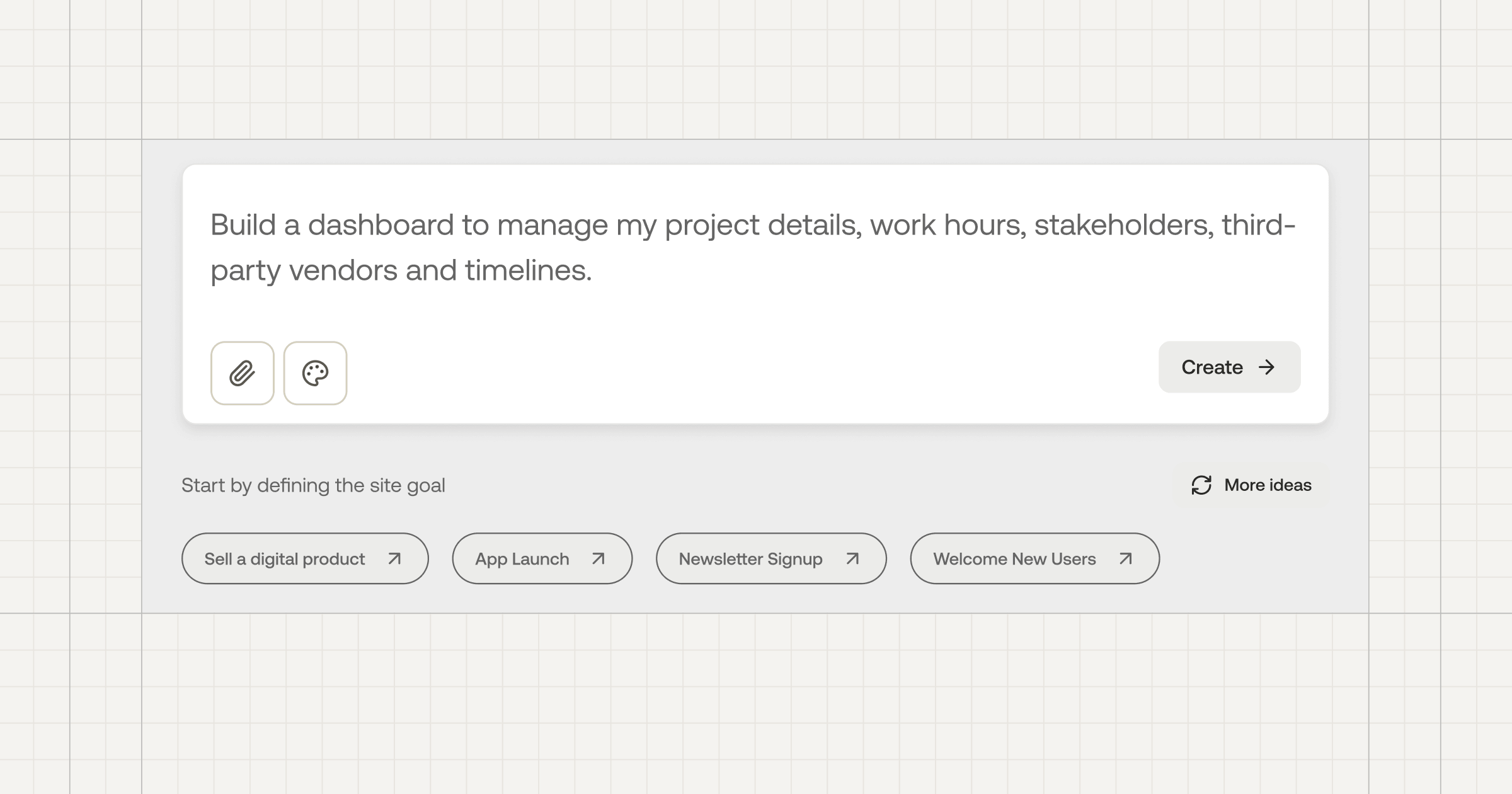
Sticklight turns a plain language description of your CRM into a production ready application: contact records, a working pipeline, reminders, and a dashboard, generated from a prompt and refined through conversation rather than a long spec document. You describe how your team sells, and Sticklight builds the app, database, and interface to match, so you become the person who ships the tool instead of the person waiting on a developer’s backlog.
If you already run a WordPress or Elementor site, Sticklight sits alongside it rather than replacing it: your marketing site stays exactly as it is while your CRM app runs as its own tool, ready to connect back in whenever you need it. It is one more way to go from idea to full stack creator without hiring a dev team first.
Frequently asked questions
What is a CRM app?
A CRM app helps you manage customer relationships by storing contacts, tracking deals and activities, and organizing communication, so your team can follow up and close more consistently.
What features should a CRM app have?
Core features include contact and company records, a sales pipeline, activity tracking, notes, reminders, and reporting. Many teams also want email and calendar integration.
Should I build a custom CRM or use an existing one?
Build a custom CRM when your process is unusual or off-the-shelf tools feel limiting. If your needs are standard, an existing CRM may be faster and cheaper.
How long does it take to build a CRM app?
A focused CRM can be built in weeks with modern tools, while a full custom system with many integrations and automations takes longer.
What should a CRM app integrate with?
Common integrations include email, calendars, payment tools, support software, and marketing platforms, so customer data stays connected in one place.
Built by the Elementor team. Powered by Claude.
Let it glow.