Cursor vs Adalo: AI code editor vs no-code app builder compared

When you compare Cursor and Adalo, you’re weighing two different approaches: an AI-assisted code editor for people who write and review code, against a no-code platform for people who want to assemble a mobile or web app visually and publish it to the app stores.
The two tools serve different audiences and different workflows. Neither one replaces the other outright.
- Cursor is an AI-assisted code editor (IDE) built for software developers, not a hosted app-generation platform.
- Adalo is a no-code platform for building native mobile and web apps, including publishing to the Apple App Store and Google Play Store.
- Cursor doesn’t host or deploy the apps it helps you build; you still need your own deployment setup.
- Adalo includes a built-in database, with a 500-record limit on its Free plan.
- Cursor’s paid plans start at $20 per user per month (Individual Pro); Adalo’s entry paid plan runs $36 per month, billed annually (Starter).
- Sticklight is a separate option: a vibe-coding platform that turns a single prompt into a production-ready website, app, dashboard, CMS, or internal tool, and publishes it.
What Cursor is.
Cursor is an AI-assisted code editor built for software developers. Inside the editor, you get coding agents (Composer and Agent mode), access to multiple frontier language models, and a code-review feature called Bugbot. Cursor also offers cloud agents that run tasks remotely, support for MCP, skills, and hooks, and, on its Teams plan, a shared team marketplace and context. It stays a code editor, not a hosted app-generation platform: it doesn’t host or deploy the applications it helps you write.
What Adalo is.
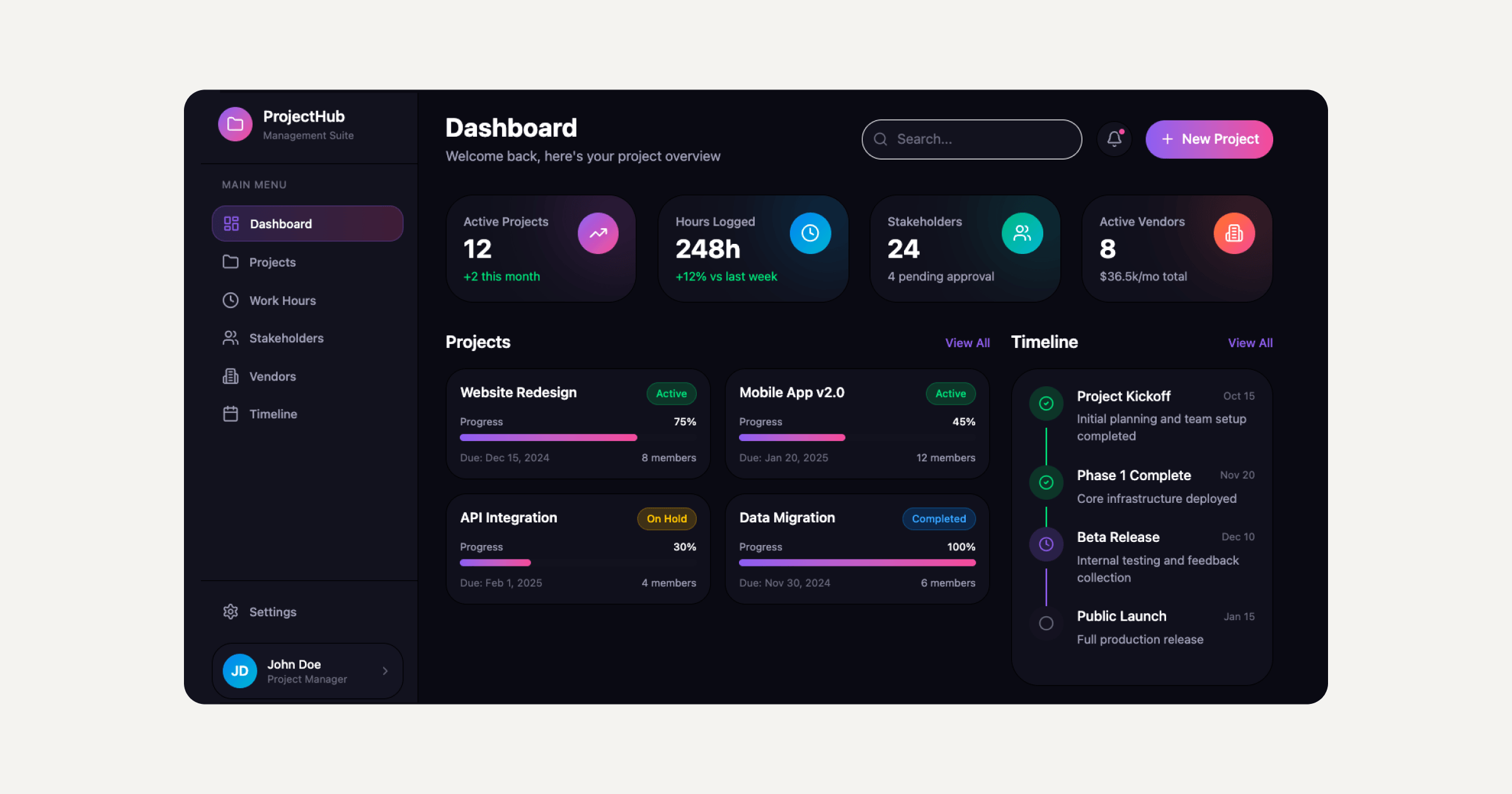
Adalo is a no-code platform for building native mobile and web applications. You use its drag-and-drop visual editor to assemble app screens and components, then publish as native iOS and Android app-store submissions as well as web apps. Adalo includes a built-in database for app data, with a 500-record limit on its Free plan. The Starter plan is the entry point for publishing to app stores, the Professional plan adds capacity aimed at small and medium business use, and the Team plan supports multiple editors and apps for agencies and freelancers. A separate custom-priced “Adalo Blue” tier covers enterprise needs. Pricing stays flat and plan-based, with no usage-based, per-action, or per-record charges, according to Adalo’s official pricing page.
Cursor vs Adalo at a glance
| Dimension | Cursor | Adalo | Sticklight |
|---|---|---|---|
| What it is | An AI-assisted code editor (IDE) for software developers. | A no-code platform for native mobile and web apps. | A vibe-coding platform that turns a prompt into a production-ready website, app, dashboard, CMS, or internal tool. |
| Output | Code, written and reviewed with AI assistance inside the editor. | Visually assembled app screens and components. | Production-ready, full-stack output from a single prompt. |
| Backend / data | No built-in database; developers connect their own backend. | Built-in database, with a 500-record limit on the Free plan. | Generated as part of the build, alongside the rest of the app. |
| Publish / hosting | Does not host or deploy generated apps. | Publishes web apps and native iOS/Android app-store submissions. | Publish is included as part of the prompt, build, publish flow. |
| Best for | Developers writing and reviewing code with AI assistance. | Building and publishing native mobile apps without writing code. | Professional creators wanting full-stack output from one prompt. |
| Entry pricing | Hobby plan, $0 per month, limited Agent requests; Individual Pro is $20 per user per month. | Free plan, $0 per month; Starter is $36 per month, billed annually. | Additive to your WordPress/Elementor stack. |
Where Sticklight fits as a third option.
Cursor and Adalo sit at two different points on the spectrum: one is a code editor for developers, the other is a no-code screen builder for app-store apps. Sticklight, built by the Elementor team and powered by Claude, gives you a third option aimed at professional web creators who want to go from a prompt to a production-ready website, app, dashboard, CMS, or internal tool in one flow: prompt, build, publish. Unlike Cursor, publishing comes included rather than sitting as a separate deployment step you set up yourself. Unlike Adalo, your output isn’t confined to app screens; it can be a full site, a dashboard, or an internal tool as well as an app. Sticklight sits additive to WordPress and Elementor, so it works alongside your existing WordPress/Elementor workflow rather than replacing it. AI agents are coming soon on Sticklight’s roadmap.
Choosing between Cursor, Adalo, and Sticklight.
The right choice depends on who’s building and what they need to end up with. If you want an AI-augmented coding workflow inside a familiar editor, with control over the backend and deployment, Cursor serves you better. If you need to get a native mobile app into the Apple App Store or Google Play without writing code, and you’re comfortable working within Adalo’s screen-based editor and database limits, Adalo serves you better. If you want a single prompt to produce a production-ready, full-stack result and have it published without assembling a separate deployment pipeline, that’s the audience Sticklight is built for.
Frequently asked questions
What’s the main difference between Cursor and Adalo?
Cursor is an AI-assisted code editor for developers who write and review code. Adalo is a no-code platform for visually building and publishing native mobile and web apps.
Does Adalo publish my app to the Apple App Store and Google Play?
Yes. Adalo publishes apps as native iOS and Android app-store submissions, along with web apps.
Does Cursor host or deploy the apps it helps me build?
No. Cursor stays a code editor, not a hosted app-generation platform, so it doesn’t host or deploy the applications you write with it.
How does Sticklight fit into a Cursor vs Adalo decision?
Sticklight gives you a separate, third option: a vibe-coding platform built by the Elementor team that turns a prompt into a production-ready website, app, dashboard, CMS, or internal tool and publishes it, additive to an existing WordPress and Elementor workflow.
Is Cursor free to use?
Yes, up to a point. Cursor’s Hobby plan runs $0 per month with no credit card required, though Agent requests stay capped on that plan; paid plans start at $20 per user per month for Individual Pro.
Built by the Elementor team. Powered by Claude.
Let it glow.